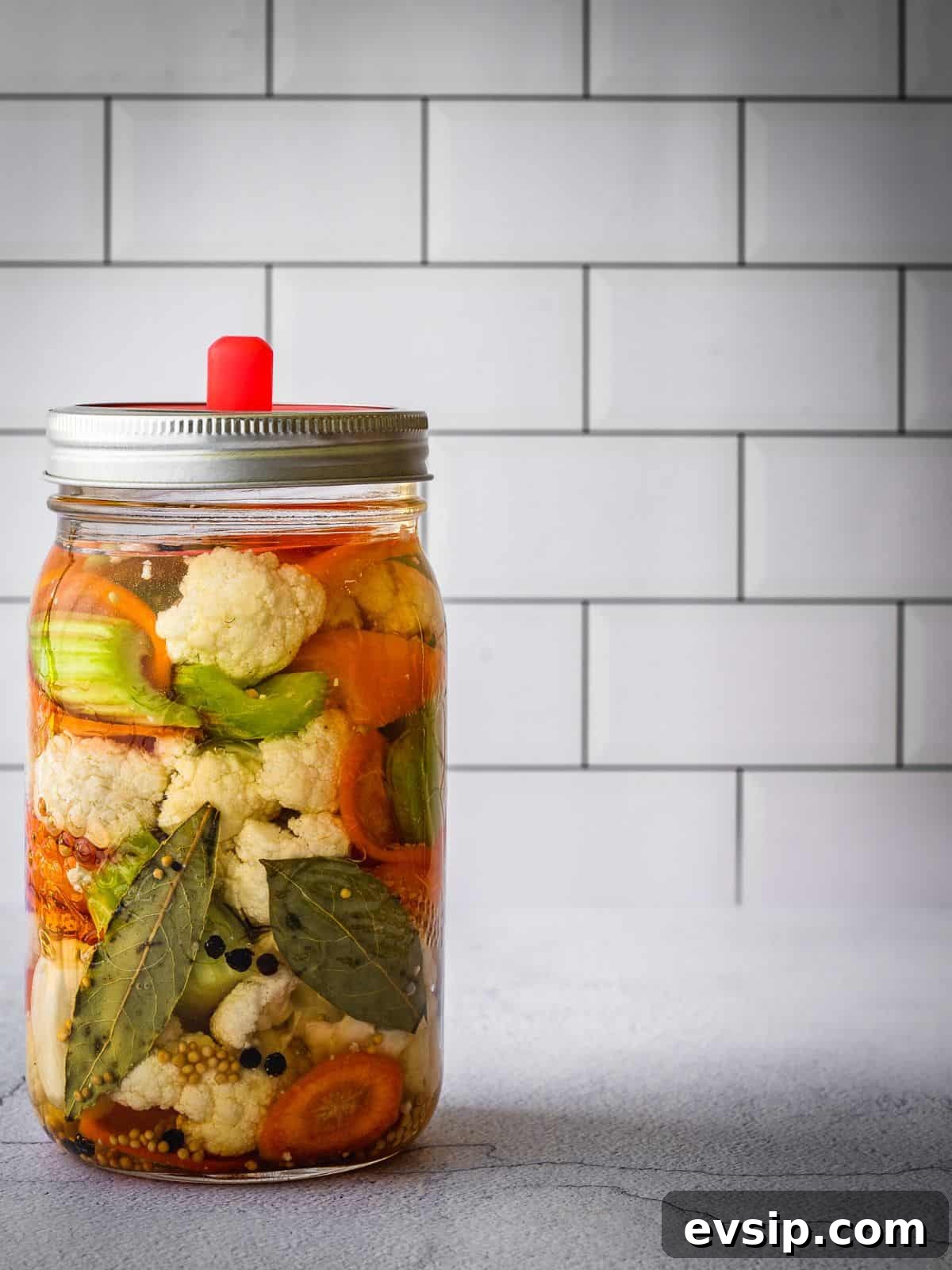
One of my favorite ways to preserve food—especially organic produce from my garden—is lacto-fermentation (also called lactic acid fermentation). This method transforms fresh vegetables and fruits into savory sauces, condiments, and side dishes that can be enjoyed for months.
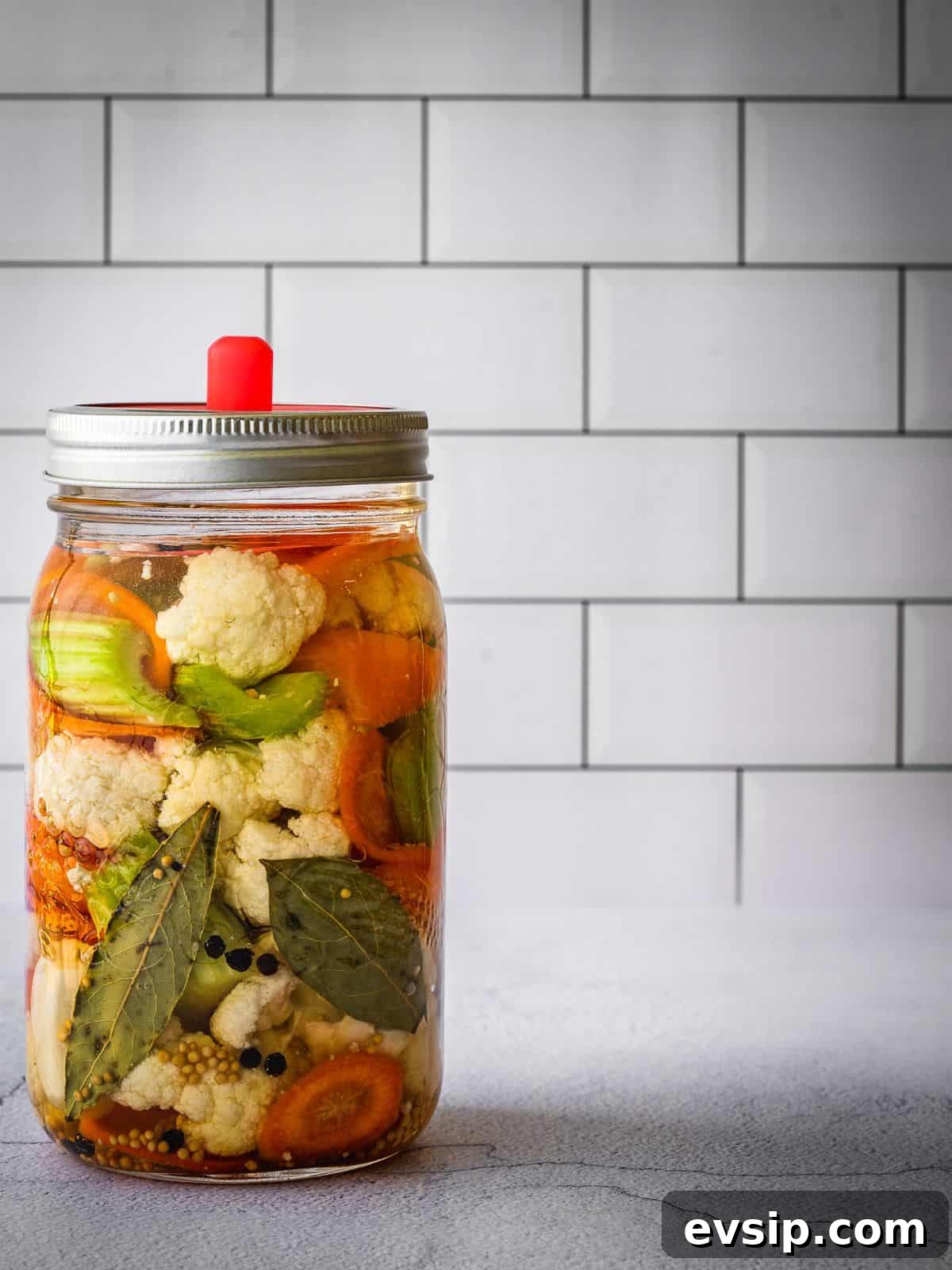
Table of Contents
- What is Lacto-Fermentation?
- Lacto-Fermentation Recipes
- Lacto-Fermentation vs Pickling
- Use Fresh Ingredients
- The Importance of Salt and How Much to Add
- Why You Should Prevent Oxygen from Entering Your Ferment
- Why You Should Let Carbon Dioxide Escape
- Improving Flavor with Vinegar
- Tools, Containers and Specialized Equipment
- Ideal Fermentation Temperature
- Fermentation Time
- Is My Ferment Ready?
- My Ferment is Ready, Now What?
- Will fermentation continue in the fridge?
- Common Concerns
- FAQs
Fermentation is used to create many familiar foods—sourdough, yogurt, kefir, cheese, and cured meats—but here we focus on fermenting vegetables and fruits. Lacto-fermentation produces probiotic-rich foods with a distinct, tangy flavor and often a pleasant effervescence.
What is Lacto-Fermentation?
Lacto-fermentation involves submerging vegetables or fruits in a salty brine or salting them so they release their own liquid. This environment favors beneficial bacteria like Lactobacillus while suppressing harmful microbes. The lactobacilli convert sugars into lactic acid, creating an acidic, preserved product with complex tangy flavors—different from vinegar-based pickles.
The process has two main stages: first, salt or brine inhibits undesirable organisms while allowing beneficial microbes to survive; second, lactic acid bacteria consume sugars and produce lactic acid and carbon dioxide, which acidify and preserve the food.
Lacto-fermented foods are tangy and sometimes slightly fizzy because of the carbon dioxide produced during fermentation.
Lacto-Fermentation Recipes
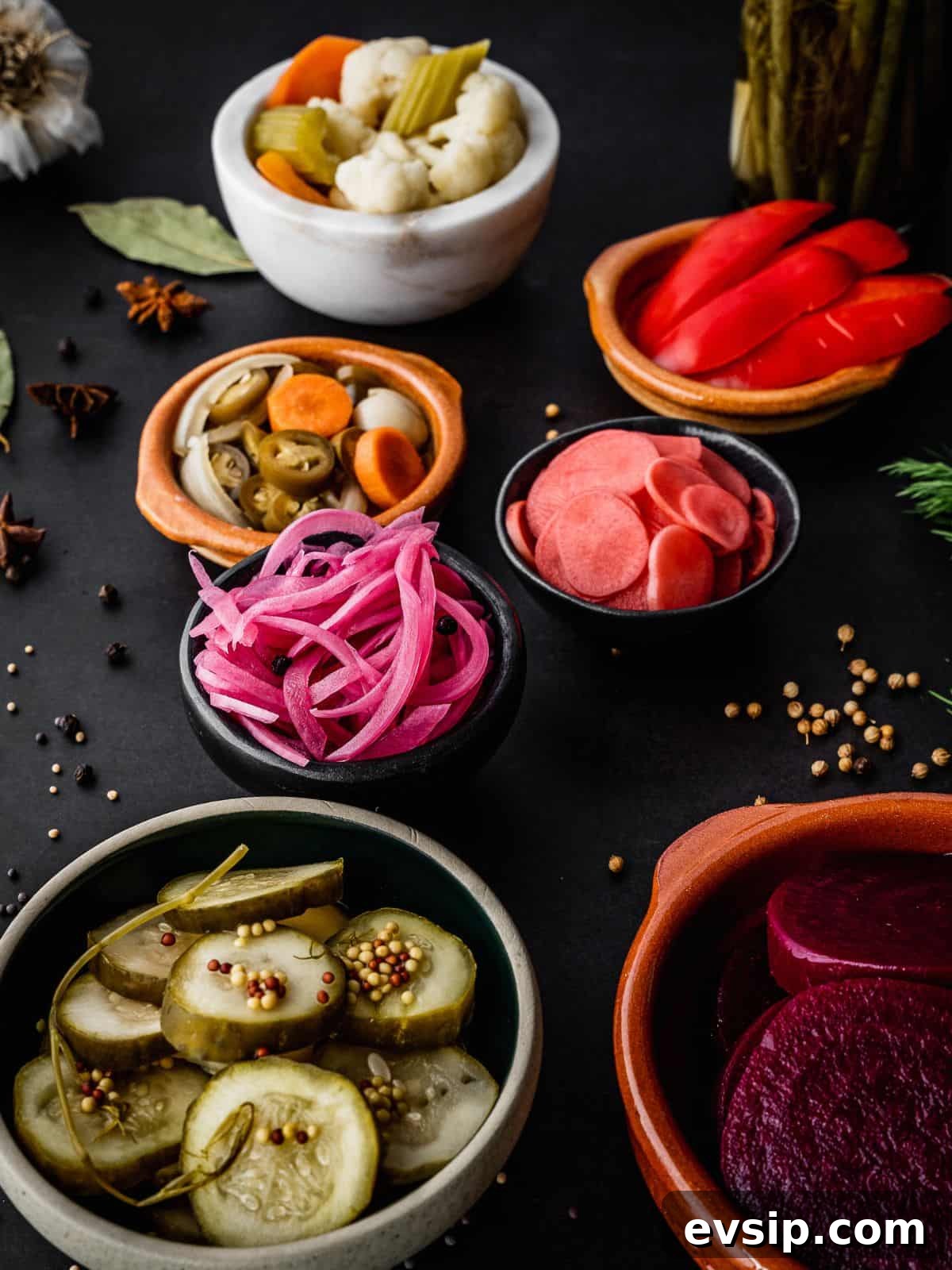
If you want to get started, try one of these ferment recipes:
- Shattah (fermented Middle Eastern chile paste)
- Fermented Hot Sauce
- Fermented Cabbage (sauerkraut)
- Fermented Cucumbers (dill pickles)
- Lacto-Fermented Radishes
- Lacto-Fermented Carrots
- Red Cabbage Sauerkraut
- Fermented Jalapenos
- Fermented Lemons
- Fermented Tomatoes
- Fermented Celery
- Sambal Oelek (Indonesian chili paste)
- Korean Radish Kimchi (kkakdugi)
- Fermented Beets
- Fermented Pineapple Jalapeno Hot Sauce
- Fermented Mango Habanero Hot Sauce
- Fermented Passion Fruit Habanero Hot Sauce
Fermentation
15 Easy and Straightforward Fermentation Recipes
Fermentation
Fermented Passion Fruit Habanero Hot Sauce
Fermentation
Fermented Mango Habanero Hot Sauce
Fermentation
Fermented Pineapple Jalapeno Hot Sauce
Lacto-Fermentation vs Pickling
Pickling usually refers to preserving produce in a vinegar solution. Vinegar-based pickles develop a sharp sourness and act quickly—sometimes in a few hours—because the acidity prevents harmful microbes from growing. Lacto-fermentation, by contrast, relies on natural fermentation, takes days to weeks, and produces more complex, tangy flavors.
Both techniques are useful; pickling is faster, while lacto-fermentation develops deeper flavors and probiotics.
Preservation
Delicious and Easy Refrigerator Pickles
Preservation
Garlic Scape Refrigerator Pickles
Use Fresh Ingredients
Fresh, preferably garden-fresh, produce is important for good fermentation because:
- Nutrient Content: Fresh vegetables contain vitamins and minerals that feed beneficial bacteria and increase nutrient bioavailability through fermentation.
- Texture: Crisp, fresh produce maintains a satisfying crunch in the finished ferment.
- Enzymes: Natural enzymes in fresh produce help break down compounds and contribute to flavor development.
- Water Content: Fresh produce releases juices that form the brine needed to submerge the ingredients.
- Microbial Diversity: Fresh produce carries a diverse population of natural microbes that contribute to flavor complexity.
- Safety: Fresh, undamaged produce is less likely to introduce harmful contaminants.
- Aroma and Flavor: Fresh vegetables offer brighter flavors and aromas that improve the final product.
The Importance of Salt and How Much to Add
Salt is essential in fermentation. It draws moisture from the vegetables to create brine, inhibits spoilage organisms, preserves texture, enhances flavor, and selects for salt-tolerant beneficial bacteria like Lactobacillus. Proper salt concentration also helps protect against dangerous microbes.
Salt Ratio
As a general rule, aim for 2%–4% salt by weight. Too little salt can allow harmful organisms to grow; too much salt can slow or stop beneficial fermentation. Use non-iodized salts such as kosher, pickling, or sea salt and a kitchen scale for accuracy.
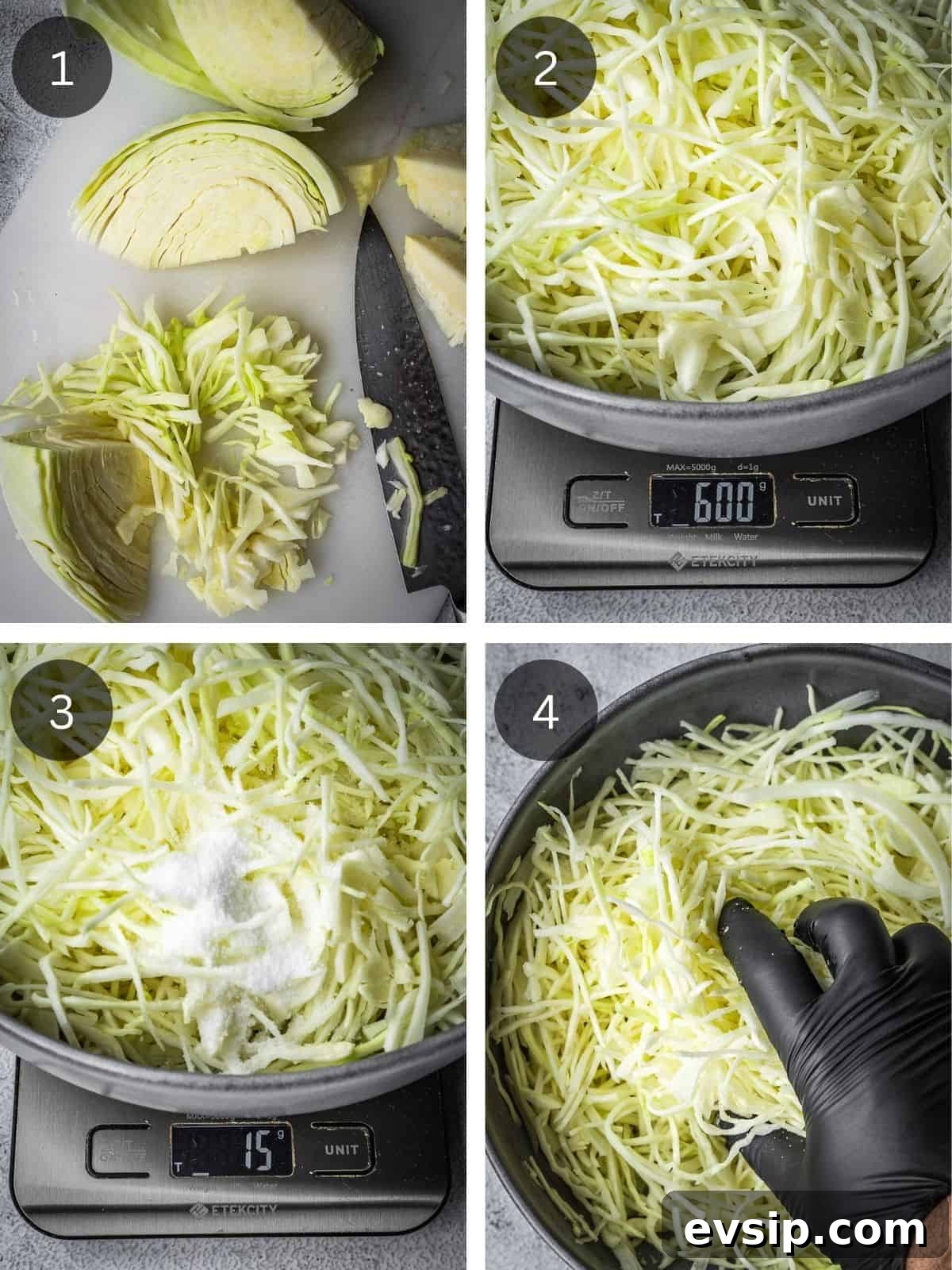
For dry-salting (sprinkling salt on shredded or chopped vegetables so they release their own juices) I typically use about 2.25–2.5% salt by weight. For example, 600 g of vegetables at 2.5% requires about 15 g of salt.
Submersion Salting (Salt Brine)
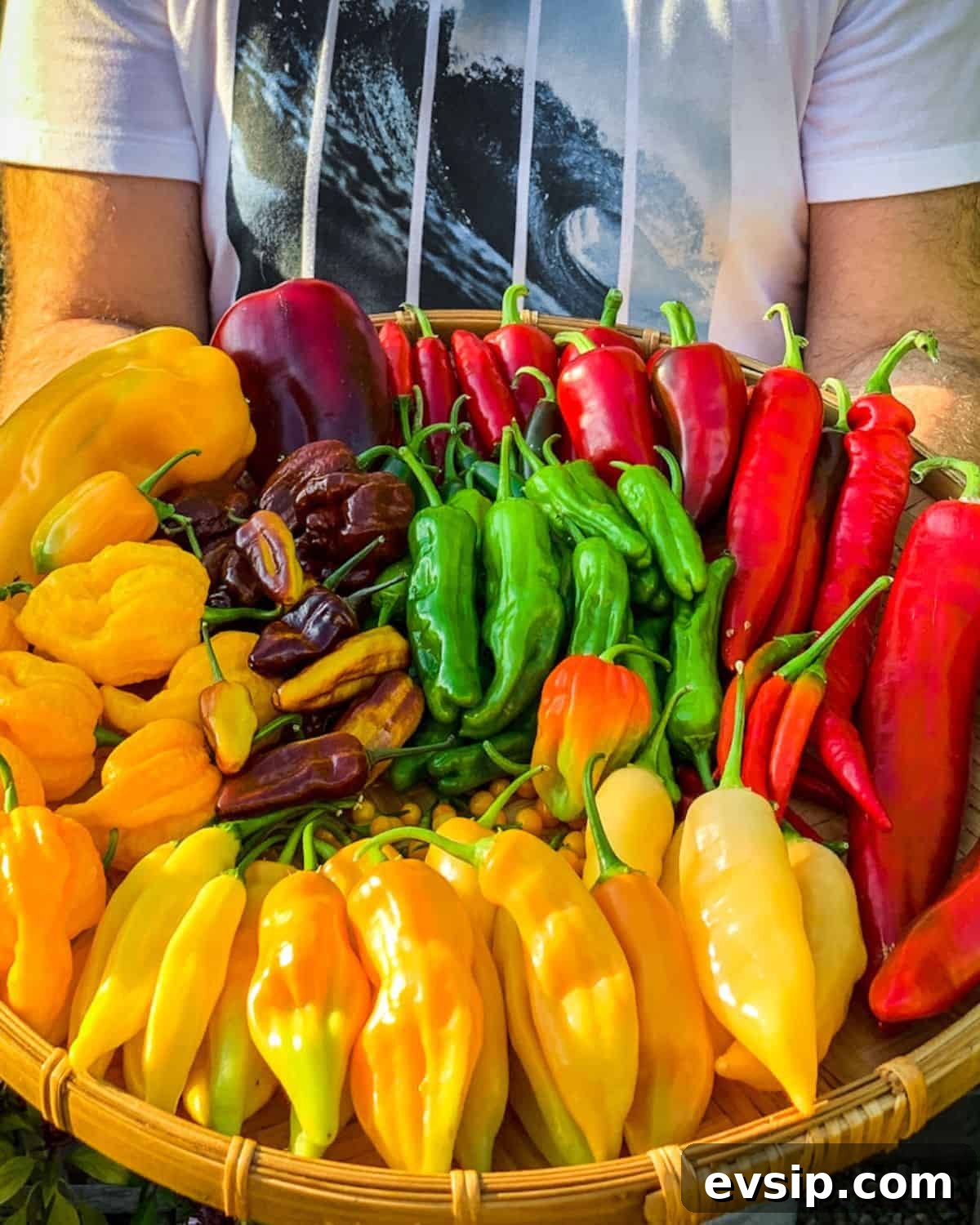
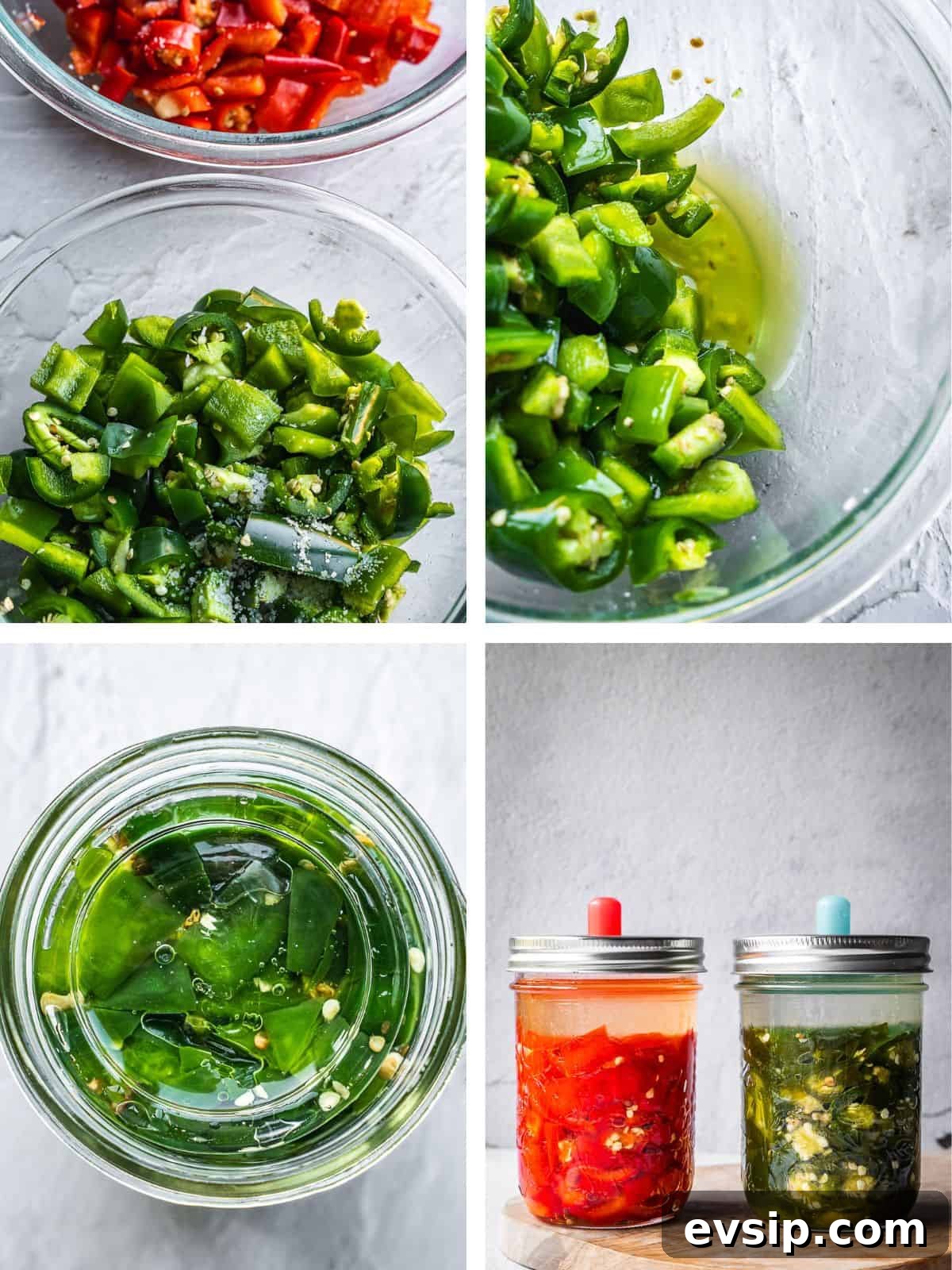
Brining is used for whole or low-moisture items like hot peppers, garlic, and carrots. Filtered or spring water is preferred because chlorine in tap water can affect fermentation. I recommend a 3.5% salt solution (3.5 g salt per 100 g water). A practical approximation is 2 tablespoons salt to 4 cups water (about 34 g salt to 946 g water).
Why You Should Prevent Oxygen from Entering Your Ferment
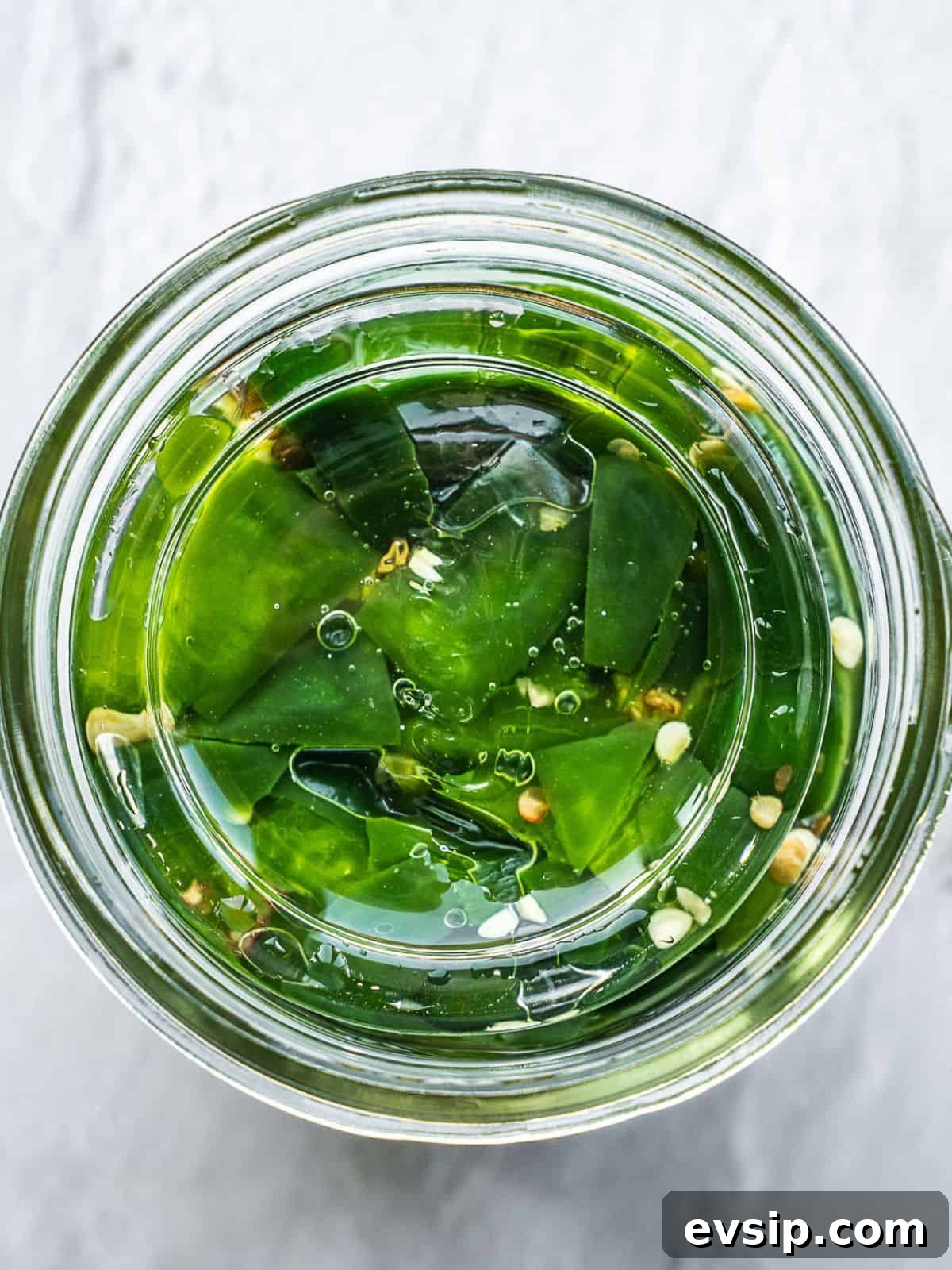
Fermentation is an anaerobic process: beneficial microbes like lactic acid bacteria thrive without oxygen. Excluding oxygen reduces the risk of mold, unwanted yeasts, and spoilage, and prevents oxidation that can alter color and flavor.
Why You Should Let Carbon Dioxide Escape
Allowing carbon dioxide to escape prevents pressure buildup, reduces the chance of container failure, and helps push oxygen away from the surface. Releasing gas also prevents dissolved CO2 from forming carbonic acid and creating off-flavors.
Improving Flavor with Vinegar
Many ferment recipes add vinegar at the end (or sometimes at the start) to brighten flavor and extend shelf life. Vinegar can help favor acid-loving bacteria and reduce contamination risk, particularly with fruit ferments. Raw, unpasteurized apple cider vinegar with the “mother” is a good option when a recipe calls for it. Always follow tested recipes for safety.
Tools, Containers and Specialized Equipment
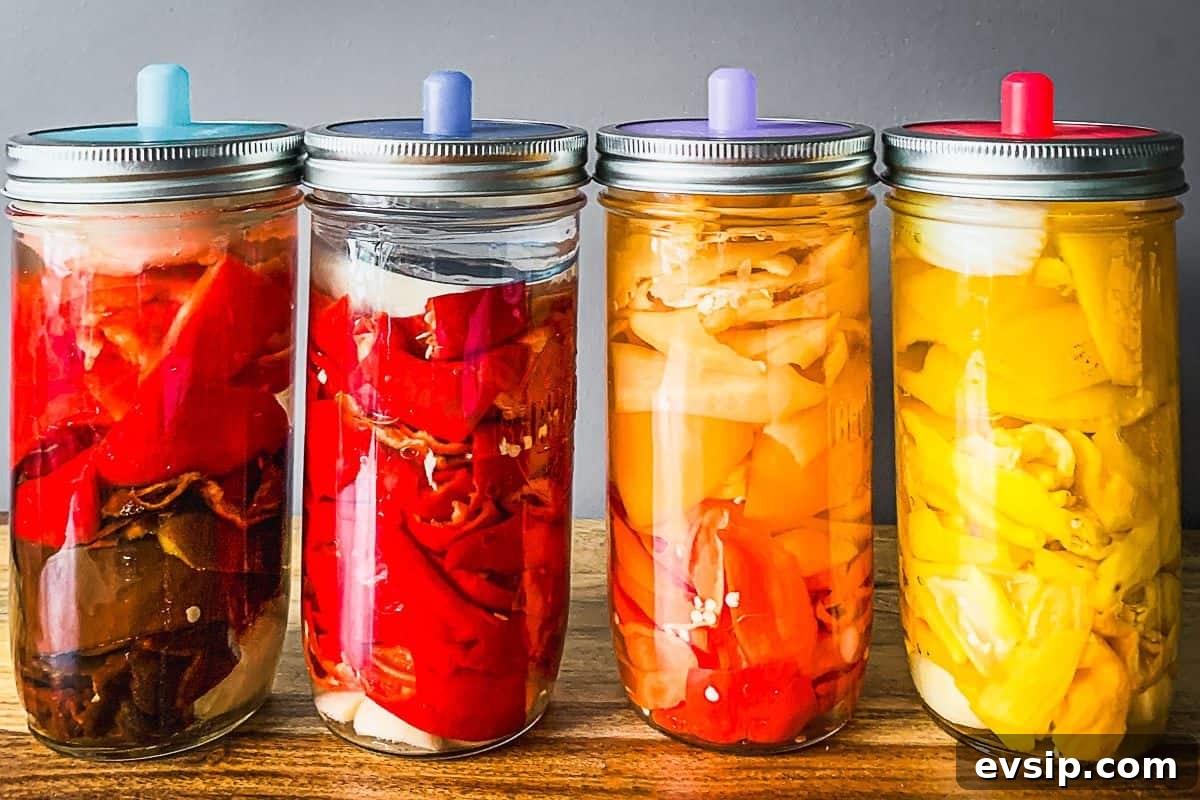
To exclude oxygen while letting CO2 escape, consider fermentation lids with airlocks, which safely vent gas. You can also slightly loosen a regular lid periodically, but this risks oxygen exposure. Professional kitchens sometimes vacuum-pack, though trapped CO2 can cause problems.
- Use fermentation weights or glass weights to keep ingredients submerged.
- A zip-top bag filled with water, beans, or marbles can act as a weight.
- A small plate or bowl can also keep food below the brine.
Glass jars (mason jars) are ideal for home ferments; crocks also work well. I usually avoid metal and plastic where possible.
Ideal Fermentation Temperature
The ideal range for lacto-fermentation is roughly 60°F to 75°F (15°C to 24°C). Within this range, lactic acid bacteria perform well. Warmer temperatures speed fermentation but can produce softer textures and simpler flavors; cooler temperatures slow fermentation and can extend the process.
Fermentation Time
Fermentation time varies by produce, temperature, and taste preference. Many ferments start to develop within 4 days, but some benefit from longer aging. Taste periodically until you reach the desired tang and texture.
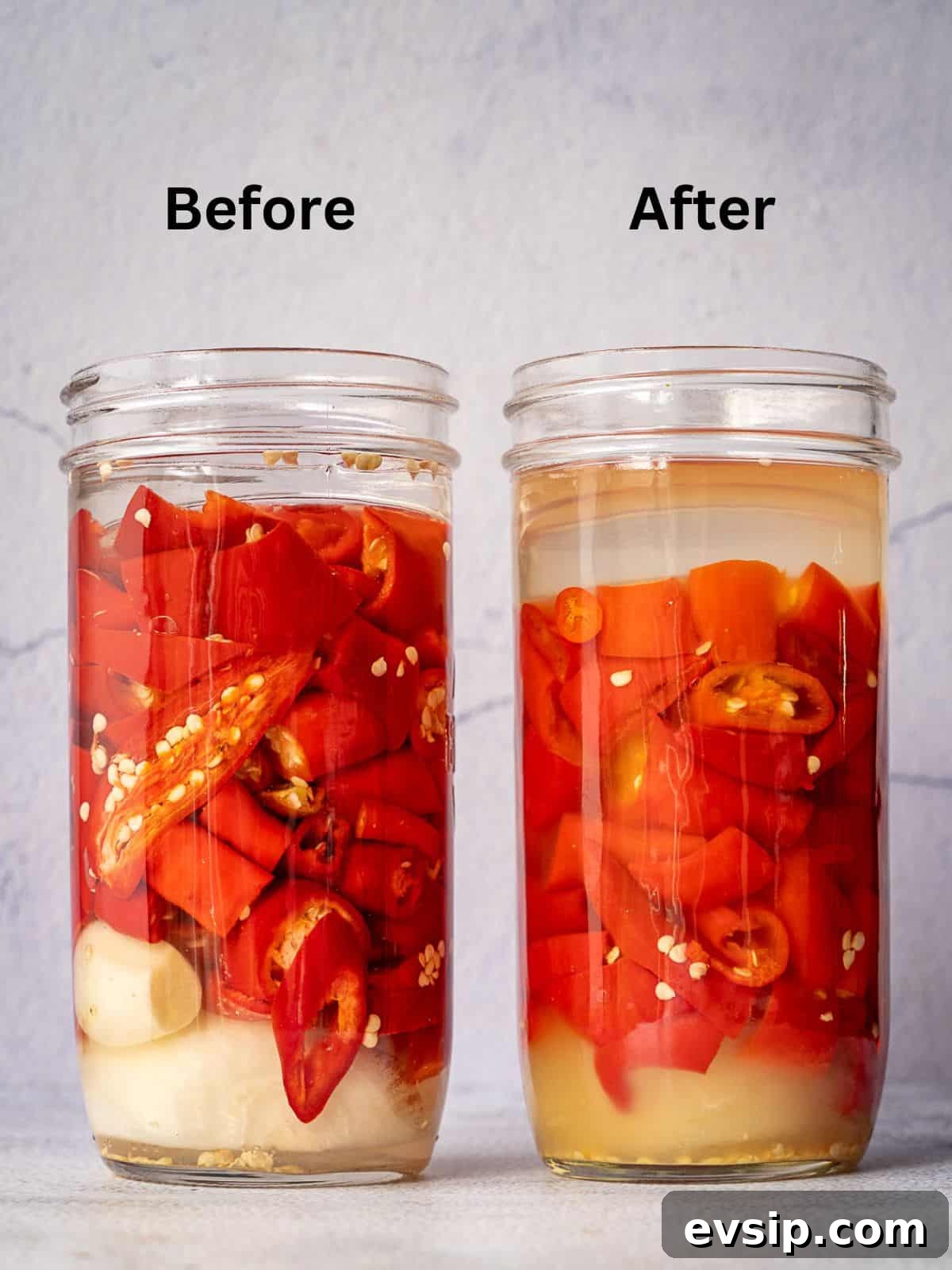
Is My Ferment Ready?
Look for these signs:
- Smell: A pleasant, tangy aroma is a good sign; foul odors indicate spoilage.
- Taste: Sample a small piece—if the flavor, acidity, and texture are to your liking, it’s ready.
- Texture: Many vegetable ferments should stay somewhat crisp; mushiness can mean over-fermentation.
- Bubbling: Active bubbling often signals fermentation, though absence of visible bubbles doesn’t always mean the ferment failed.
- Color: Mild color changes are normal; dramatic or suspicious discoloration may indicate a problem.
For precision, pH strips can confirm acidity—vegetable ferments are generally safe below pH 4.6.
My Ferment is Ready, Now What?
When your ferment reaches the desired taste, remove any weights and replace the fermentation lid with a regular lid, then refrigerate. You can process ferments into sauces, bottle them, or portion into smaller jars for storage.
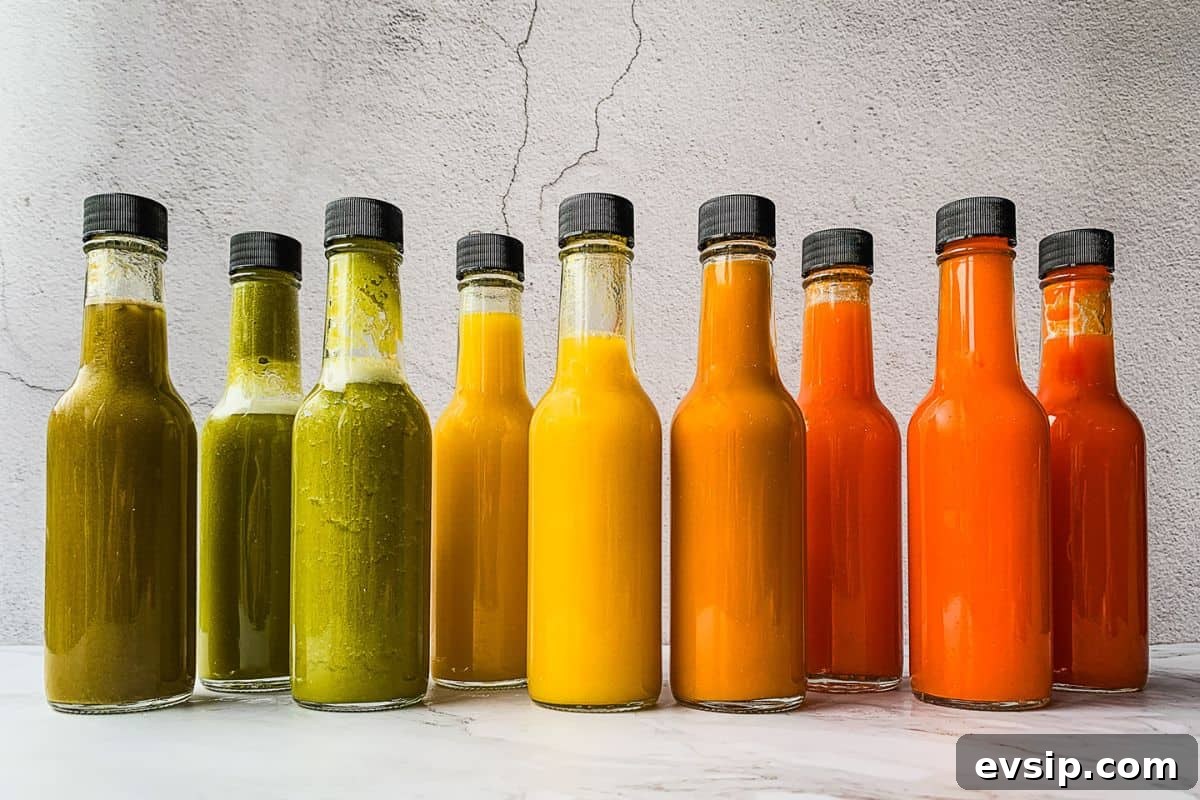
Will fermentation continue in the fridge?
Yes, but very slowly. Cold temperatures reduce microbial activity, so refrigeration preserves flavor and slows further fermentation. Some ferments will continue to mature slightly in the fridge, while others remain fairly stable.
Common Concerns
Fermentation can produce appearances that worry newcomers. Two common issues are kahm yeast and cloudy brine—both are often harmless but should be assessed carefully.
Kahm Yeast
Kahm yeast is a white or cream-colored film that can form on the surface. It’s a wild yeast that is not toxic, but it can alter flavor and texture and compete with beneficial bacteria. If kahm appears, you can usually skim it off and continue the ferment—unless there are other signs of spoilage like foul odors or mold.
To reduce the chance of kahm yeast: keep ingredients submerged, use clean equipment, ferment at a stable temperature, and consider an airlock if fermenting open-top.
Cloudy Brine
Cloudy brine is common and usually harmless. It can result from active microbial growth, suspended yeast cells, dissolved minerals from unrefined salt, or breakdown of starches and proteins. Watch for warning signs—foul smells, visible mold, or slimy textures—which indicate spoilage and mean you should discard the batch.
FAQs
Harmful molds are typically colored—brown, yellow, red, pink, green, or gray/black—and may have a fuzzy appearance. If you see these growths or detect a rotten or putrid smell, discard the batch. White kahm yeast is different and can usually be skimmed off if no other spoilage signs are present.
Disclaimer: Fermenting involves some risk. Follow safety guidelines and tested recipes. You are responsible for the results and safety of the food you prepare. The author and publisher are not liable for adverse effects arising from use of the information in this article.