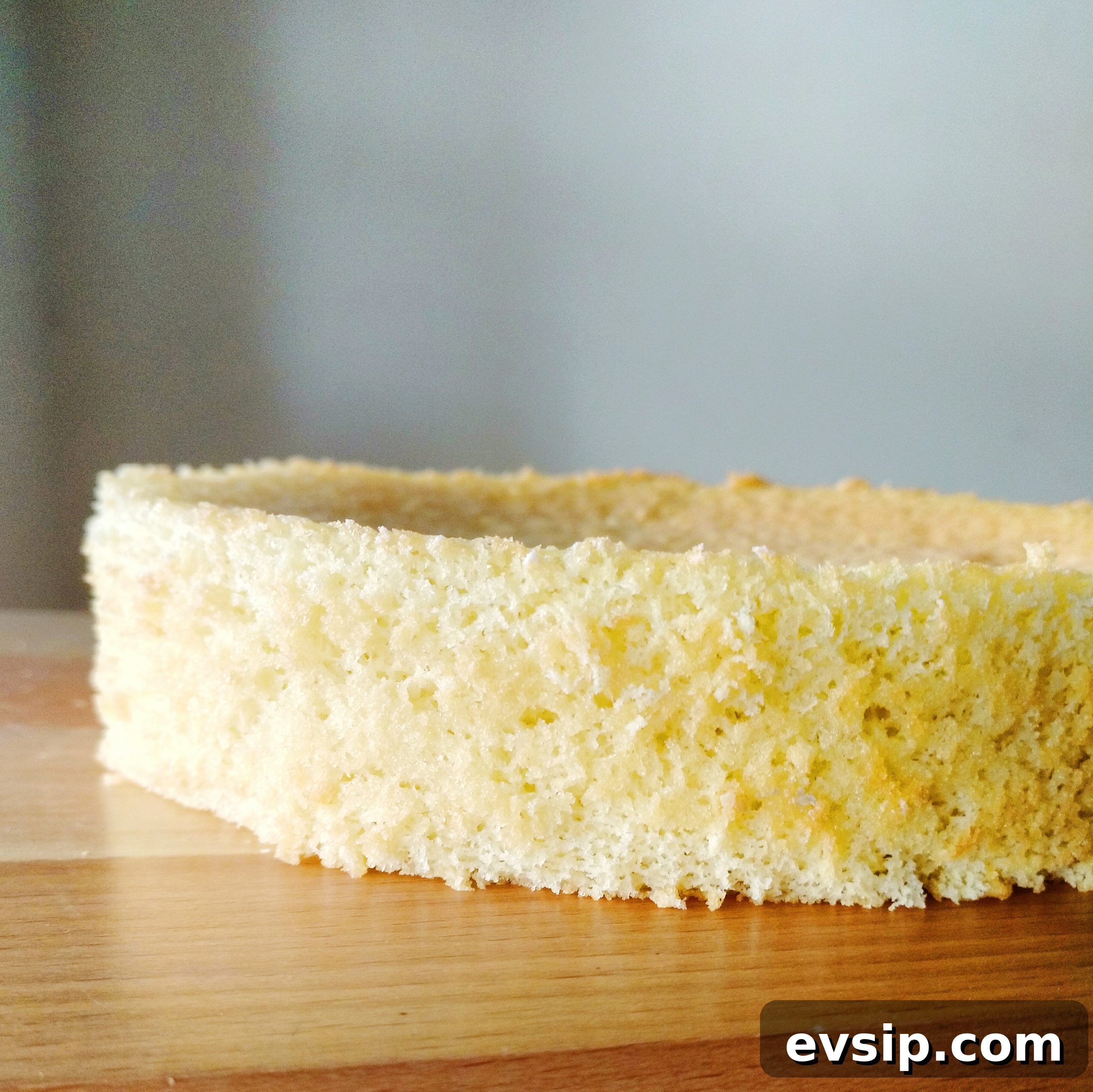
“Keep it simple, keep it tasty — you’ll seldom go wrong.”
Sponge cake is one of the essential recipes every baker should know. It’s basic in ingredients but precise in technique: a fatless, aerated cake that forms the foundation for many layered desserts, trifles and classics like tiramisu. While it may look simple, getting a perfect sponge requires attention to detail and a few reliable methods.
I won’t claim to be a master pastry chef, but I’ve learned from both failures and successes, and these notes collect what works consistently for me. If you’re a beginner, you’ll find practical tips to avoid common disasters. And yes, my last collapsed sponge was a long time ago — knock wood.
What distinguishes a sponge cake is its light, springy texture made without butter or oil. The structure comes from well-whipped eggs and careful folding of flour. A plain sponge is delicious dusted with sugar for tea, but it truly shines when layered with jam, cream, or soaked with flavored syrup for rich, multi-layer cakes.
There are thousands of variations online — some use many eggs, some fold whites and yolks separately, others add baking powder or fat. The recipe presented here is a tried-and-true, simple fatless sponge: eggs, sugar, flour, a pinch of salt and vanilla. It makes an 8-inch cake perfect for two layers, and can be doubled for larger or multiple layers.
About the pan and oven:
- Preheat the oven to 180°C (350°F) at least 20 minutes before baking for a stable temperature. Place the pan on the middle rack.
- Do not grease or flour the sides of the pan. Sponges made by the foaming method rise by clinging to the pan sides; grease can prevent this. Line the bottom with parchment paper. If you must, lightly grease only the bottom, but parchment is strongly recommended.
- Use a tall pan (at least 2 inches) because the batter will rise significantly.
- Whip eggs in a clean stainless steel or glass bowl; plastic can retain grease and hinder volume.
- A stand mixer is ideal, a handheld mixer is fine, and a whisk will work if you don’t mind a workout.
- Springform or removable-bottom pans are optional; a regular round pan works well when lined with parchment.
Preparation of ingredients:
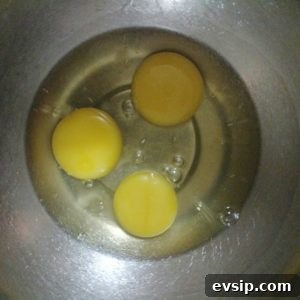
- Have everything measured and ready before you begin so the batter doesn’t lose air while you look for items.
- Use fresh, room-temperature eggs — they whip up better and yield more volume.
- Measure flour carefully. Spoon flour into your measuring cup and level it off with a knife; do not pack it in. If weighing, use the correct weight.
- Sift the flour thoroughly. For sponge cakes, sift two or three times to lighten the flour and remove lumps. If making a chocolate sponge, sift flour and cocoa together the same way.
- Use large, clean mixing bowls so the mixture can expand to at least three times its original volume.
Step one — Beat the eggs and add sugar:
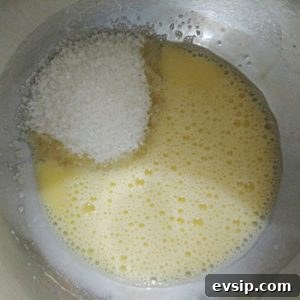
- Place eggs in the bowl and start beating at medium speed until foamy and pale yellow.
- Add the sugar all at once when the eggs are just foamy. On a stand mixer you can add sugar to the side while mixing continues.
Step two — Beat until light and airy:
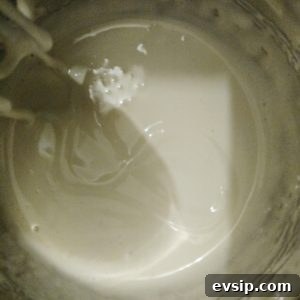
- This is the most important step. Beat the eggs and sugar starting at medium speed, then increase to high, and continue until the mixture is fluffy and aerated. Depending on your mixer, this can take 8 to 15 minutes. Scrape down the sides and bottom a few times.
- Signs it’s ready: the mixture becomes pale, increases to about three times the original volume, and passes the ribbon or “figure of 8” test — when you lift the whisk, the batter should fall in a ribbon that holds its shape briefly.
Step three — Add vanilla and salt:
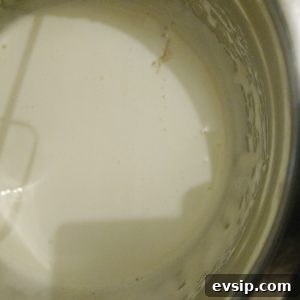
- After achieving the desired volume and texture, add vanilla and a pinch of salt and mix briefly until combined.
- Use a good-quality vanilla extract for best flavor.
Step four — Fold in the flour:
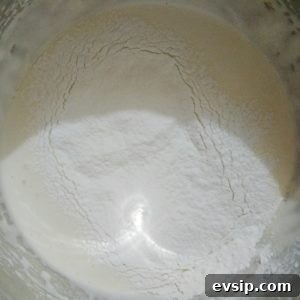
- Sift the flour one last time over the batter and fold it in gently with a spatula. Use a light, thin rubber or silicon spatula and make sweeping figure-of-eight motions, cutting through the center and folding from the bottom so no flour pockets remain.
- Avoid overmixing — fold only until the flour disappears. Overmixing will deflate the batter and produce a flatter cake, but slight overmixing is preferable to leaving dry flour in the batter.
- You can add the flour in two or three small additions if that feels easier to manage.
- Do not use heavy wooden spoons; they can collapse the airy batter.
Step five — Pour into pan:
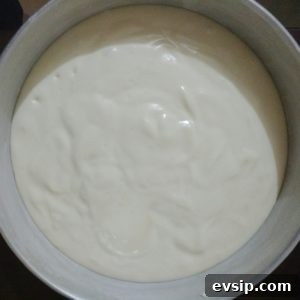
- Once the flour is fully incorporated, pour the batter immediately into the prepared pan and put it into the oven. Do not let the batter sit — it will lose air.
- Don’t scrape the very bottom of the bowl; it may contain undissolved flour. Tap the pan gently on the counter to release large bubbles.
Bake:
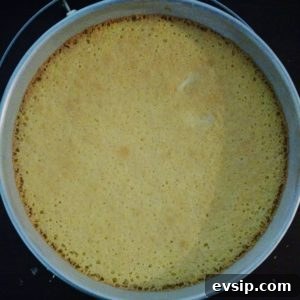
- Bake at 180°C (350°F) for about 20–25 minutes. A light batter may finish closer to 20 minutes, so begin checking at 20 minutes and then every couple of minutes.
- Do not open the oven during the first 20 minutes; sudden temperature changes can cause the center to sink.
- Your cake is done when the top is lightly browned, it springs back when pressed, the edges pull away slightly from the pan, and a skewer inserted into the center comes out clean.
Cool:
- Allow the cake to cool in the pan for at least 10 minutes. The cake will contract away from the sides as it cools.
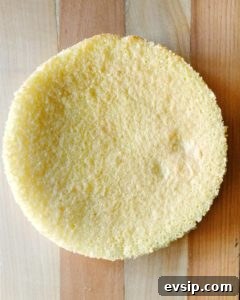
- Run a knife around the edge, invert the cake onto a rack or plate, remove the parchment, then invert again so the right side is up and cool completely.
Notes and troubleshooting:
- Eggy smell: Some people detect a strong egg aroma, especially if they’re not used to egg-forward cakes. Resting the sponge overnight reduces the smell. Adding a teaspoon of citrus zest with the sugar or using a generous dash of vanilla can also help.
- Too soft: This sponge is meant to be soft and delicate. Chill it well before slicing and handle layers gently. If pieces break, use syrup to reassemble layers — the final cake will still look great.
- Sticky top: Covering a warm cake can cause a sticky layer. Cool completely before wrapping or storing in an airtight container.
- Centre dips: If the center sinks, check oven temperature and pan size. Baking too slowly or using a pan that makes the batter too deep can cause sinking.
Perfect fatless sponge cake
Ingredients
- 3 eggs at room temperature
- 65 grams all-purpose flour (about 1/2 cup)
- 100 grams granulated sugar (about 1/2 cup)
- pinch salt
- 1 tsp vanilla extract
Instructions
-
Preheat oven to 180°C (350°F). Line the bottom of a 7–8 inch round cake pan with parchment paper.
-
Sift the flour two or three times and set aside.
-
In a clean bowl, beat the eggs at medium speed until foamy and pale.
-
Add the sugar and beat until the mixture is light, pale and about triple in volume.
-
Add vanilla and a pinch of salt and beat briefly to combine.
-
Sift the flour over the batter and fold gently until fully incorporated.
-
Immediately pour the batter into the prepared pan, tap the pan gently to release large air pockets, and bake.
-
Bake for 22–25 minutes, or until the top is browned and a toothpick inserted in the center comes out clean.
-
Cool in the pan for 10 minutes, loosen the edges with a knife, invert onto a rack to remove parchment, then invert again to cool right side up.
Notes
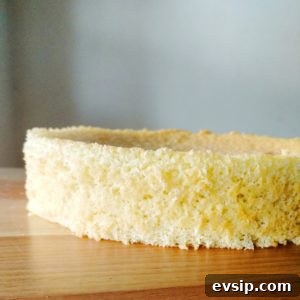
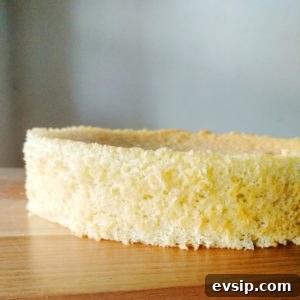
Look for a fine, even crumb and a soft, springy texture. A well-made sponge will feel light under gentle pressure but will bounce back. Alone it is not intended to be overly moist, but it absorbs syrups and fillings beautifully, transforming into the moist, flavorful layers you find in bakery cakes.
Once you master this basic vanilla sponge, the possibilities are endless: layer with fruit and cream for strawberry or mango cakes, use it in pastries, or adapt it into chocolate sponge for classics like Black Forest. Mastering the fatless sponge opens the door to many delicious desserts.