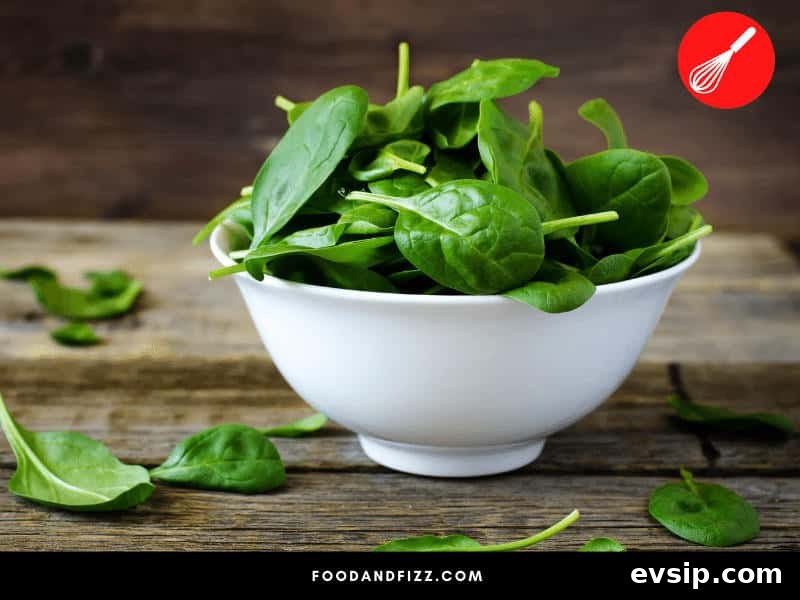
How Many Grams Are In A Cup Of Spinach?
Spinach is a versatile leafy green that can be enjoyed fresh, cooked, or preserved as a powder. Drying and grinding spinach concentrates its flavor and nutrients into a convenient, shelf-stable form that’s easy to add to recipes.
Spinach ranks among the most nutritious vegetables, packed with vitamins, minerals, fiber, and antioxidants that support overall health. Whether eaten raw in salads or cooked into dishes, spinach contributes beneficial nutrients like iron, folate, and potassium.
Regular consumption of spinach may support eye health, reduce oxidative stress, lower blood pressure, and contribute to cancer prevention when included as part of a balanced diet.
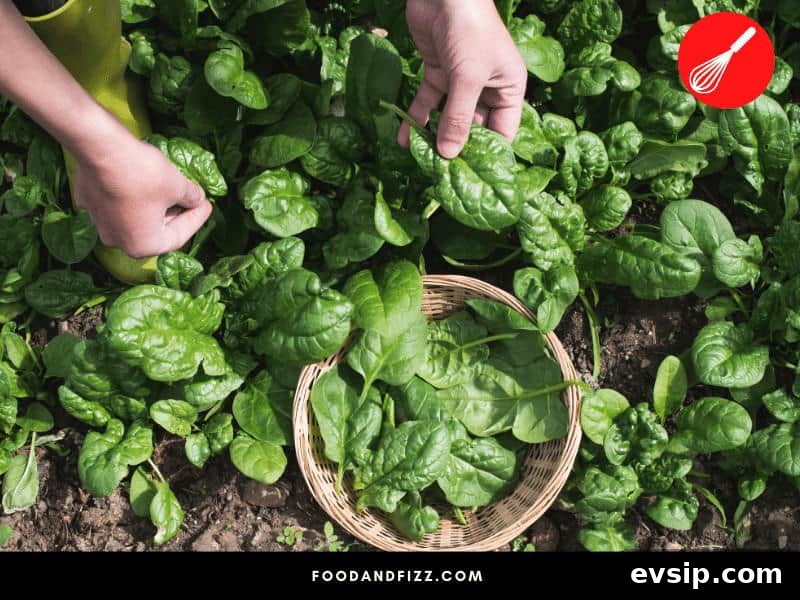
Table of Contents
How Many Grams Are In A Cup Of Spinach?
Using U.S. measurements, one U.S. cup of dried spinach weighs about 30 grams. That weight may seem small compared with fresh spinach because drying removes most of the water content. Dried leaves and powder are much lighter than the fresh greens they came from.

Despite the reduced weight, dried spinach powder retains most of the nutritional benefits of fresh spinach, including protein, vitamins, minerals, and antioxidants. Its concentrated flavor and convenience make it a useful ingredient in many recipes.
How Many Spinach Flakes Should I Dry for 1 US Cup of Dried Spinach?
Estimating the number of fresh leaves needed to yield one cup of dried spinach is imprecise because leaf size and moisture vary. On average, fresh spinach loses roughly 98% of its weight when fully dehydrated.
To obtain about 30 grams of dried spinach (one U.S. cup), you would start with roughly 1,500 grams (1.5 kg) of fresh spinach. This large difference highlights how much water fresh leaves contain, while nutrient levels remain largely preserved in the dried product.
How to Make Spinach Powder
Making spinach powder at home is straightforward. With basic equipment and proper drying, you can produce a fine, usable powder for cooking.
Equipment
- Mason jars for storage
- Grinder or high-speed blender
- Dehydrator (or oven set to low temperature)
- Salad spinner or clean towel for drying
Procedure
- Step 1: Rinse leaves thoroughly to remove dirt and any insects.
- Step 2: Remove excess moisture with a salad spinner or clean towel.
- Step 3: Arrange leaves in a single layer on dehydrator trays or a baking sheet; overcrowding slows drying.
- Step 4: Dehydrate at about 125 °F (50–52 °C) for 4–6 hours, or until leaves are fully crisp.
- Step 5: Grind dried leaves to a fine powder in a grinder or blender.
- Step 6: Store the powder in airtight mason jars in a cool, dark place.
Once stored, powdered spinach is ready to boost nutrition, color, and flavor in a wide range of dishes.
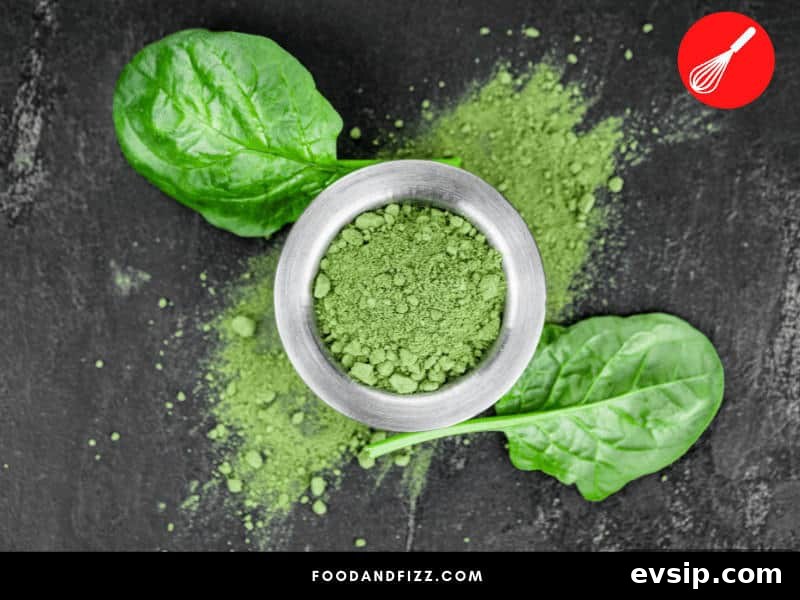
Delicacies Where Powdered Spinach is Used as an Ingredient
Spinach powder is versatile in the kitchen. It blends smoothly into baked goods, savory dishes, and beverages, adding color, nutrients, and subtle flavor. Here are common uses where powdered spinach shines.
1. Baking
Add spinach powder to breads, cakes, or scones to replace a small portion of flour and boost nutrition. It can impart a mild flavor and attractive green hue without affecting texture much.
2. Mashed potatoes
Stir a spoonful of spinach powder into mashed potatoes to enrich color and nutrients—an easy way to include greens for picky eaters.
3. Soups and Casseroles
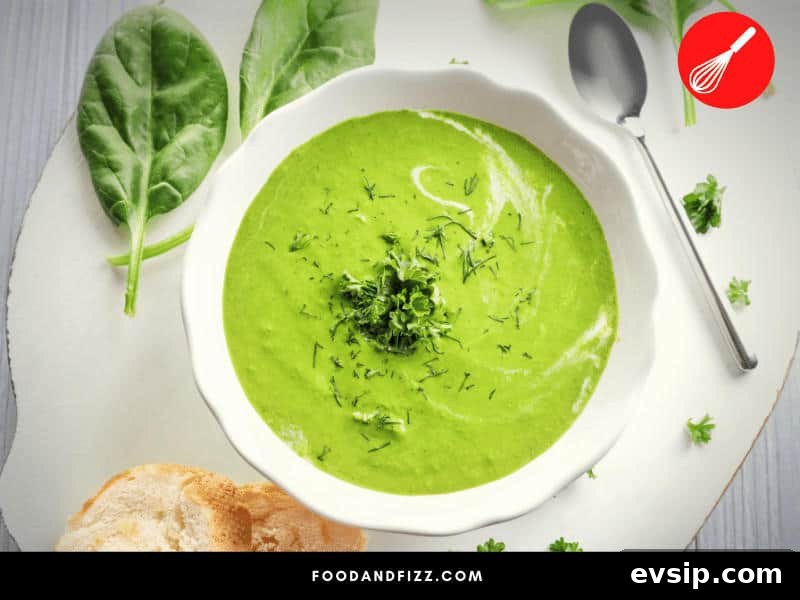
Spinach powder enhances flavor, color, and texture in soups and casseroles without altering consistency. It’s a convenient way to boost the nutritional profile of these dishes.
4. Rice
Use spinach powder to tint rice a pleasant green and add subtle flavor, making plain rice more visually appealing and nutritious.
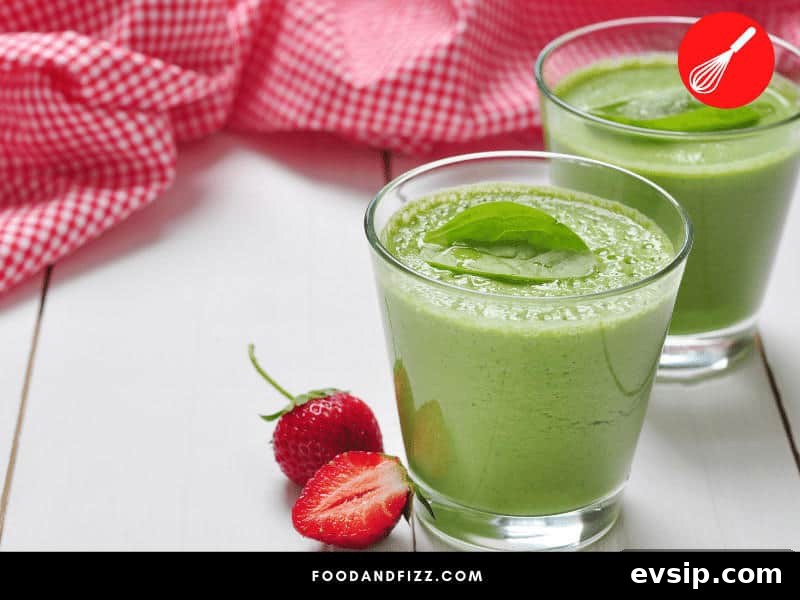
5. Smoothies
Spinach powder blends easily into smoothies to boost color and nutrients without introducing the texture of leafy greens.
Why I Prefer Powdered Spinach to Fresh Leafy Spinach
1. Easy to incorporate into recipes
Powdered spinach mixes smoothly into batters, soups, rice, and sauces, making it simple to boost nutrition without changing texture or appearance dramatically.
2. Preservation
Dried spinach stores much longer than fresh leaves and requires minimal space, so you can keep a supply on hand for whenever you need it.
Notable Benefits of Using Spinach in General
1. Nutritional Value
Spinach supplies carbohydrates, protein, fiber, calcium, iron, and a range of vitamins that contribute to a healthy diet.
2. Food coloring
Spinach powder is an attractive natural colorant for many dishes, adding a green hue while contributing nutrients.
3. Taste
Spinach adds a mild, pleasant flavor that enhances many savory and some sweet preparations.
4. Texture
In smoothies and soups, spinach powder contributes to a smoother mouthfeel and a more uniform texture than whole leaves.
Frequently Asked Questions About How Many Grams Are In A Cup Of Spinach?
Can I Eat Spinach Powder Raw?
Yes. Spinach powder is safe to consume raw and is commonly added to smoothies or mixed into dressings and dips.
Does Powdering My Spinach Make It Lose Nutritional Value?
No. Properly dried and stored spinach powder retains most of the nutrients found in fresh leaves, though some heat-sensitive vitamins may decrease slightly during drying.
Can I Make Spinach Powder At Home?
Yes. With basic equipment—cleaning tools, a dehydrator or low oven, and a grinder—you can make spinach powder at home following the steps above.