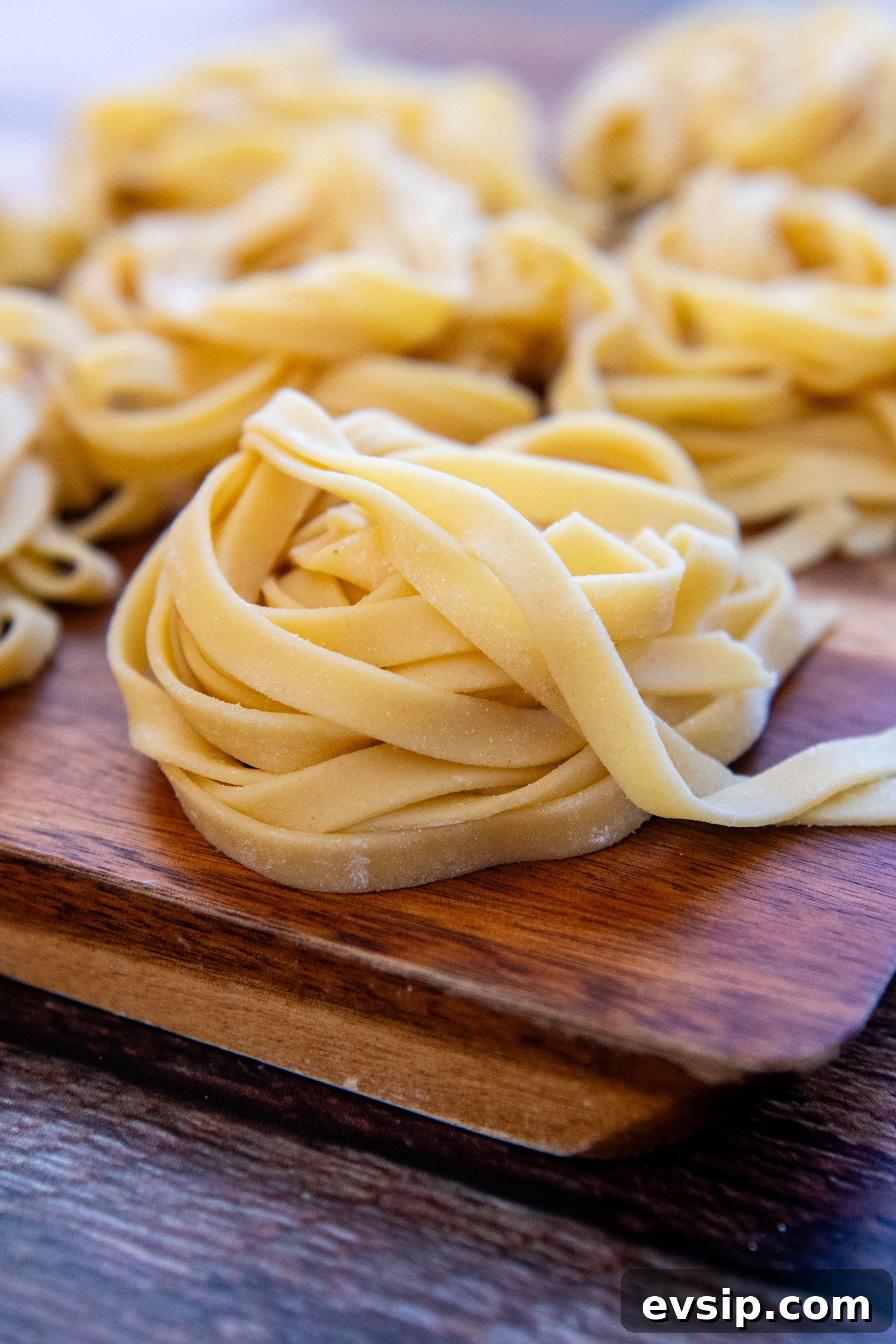
If you thought making easy and homemade gluten-free pasta wasn’t possible, think again. These soft, tender noodles have the flavor and texture of the fresh pasta my Italian family made for generations. With only four simple ingredients and this clear step-by-step method, you can make everything from fettuccine to lasagna sheets at home.
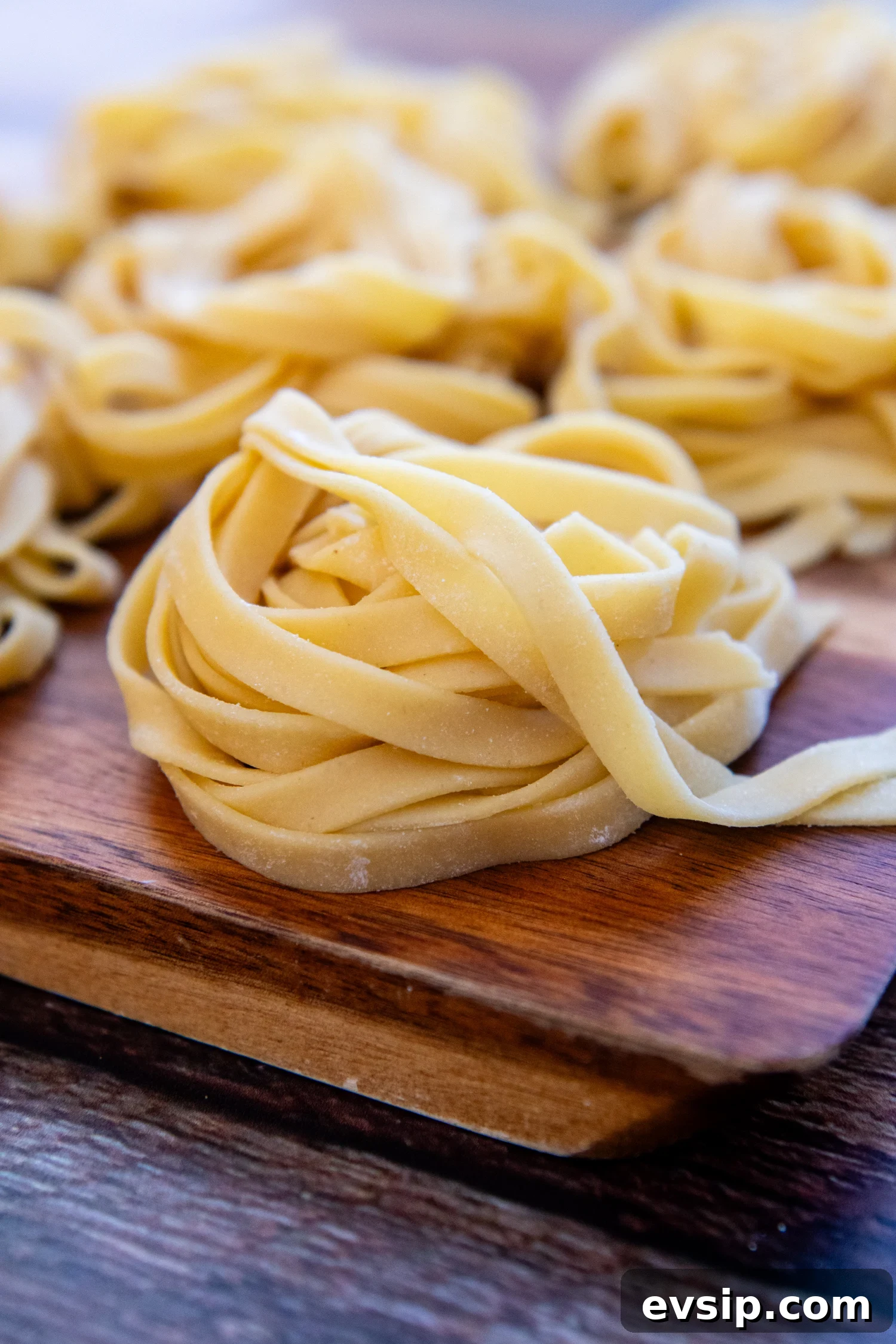
Enjoy Fresh Homemade Gluten-Free Pasta Again!
Making homemade pasta with gluten-free all-purpose flour doesn’t have to be complicated. The method is a simple adaptation of the egg noodle recipe my grandmother and mother used: for each egg, they used a set amount of flour. We often mixed large batches in a food processor, but the dough can also be mixed by hand with excellent results.
When I first swapped regular flour for a gluten-free blend, the dough was hard to work with and the cooked noodles were dense and chewy rather than light and tender. To get the pliable, delicate texture of traditional fresh pasta, I experimented with adjusting moisture and fat. The solution was to combine gluten-free all-purpose flour with almond flour and add a bit of olive oil.
Almond flour adds fat that softens the bite and enhances flavor, while a splash of olive oil helps coat the starches to eliminate any gritty mouthfeel. The result is a dough that’s easy to form, simple to roll through a pasta machine, and yields soft, authentic-tasting noodles.
These noodles are wonderful tossed with a quick sauce, used in lasagna, or served with a classic Alfredo. The recipe is straightforward and forgiving, and it’s the one I return to whenever I want fresh, homemade gluten-free pasta.
This is the BEST recipe for GF homemade pasta! So easy and quick to make, we loved it. Thank you!
—Christine
Watch The Recipe
Let’s Make This Together!
(Below you’ll find step-by-step photos and simplified instructions. For the complete recipe with exact ingredient amounts, see the recipe card below.)
Two-minute easy fresh pasta dough
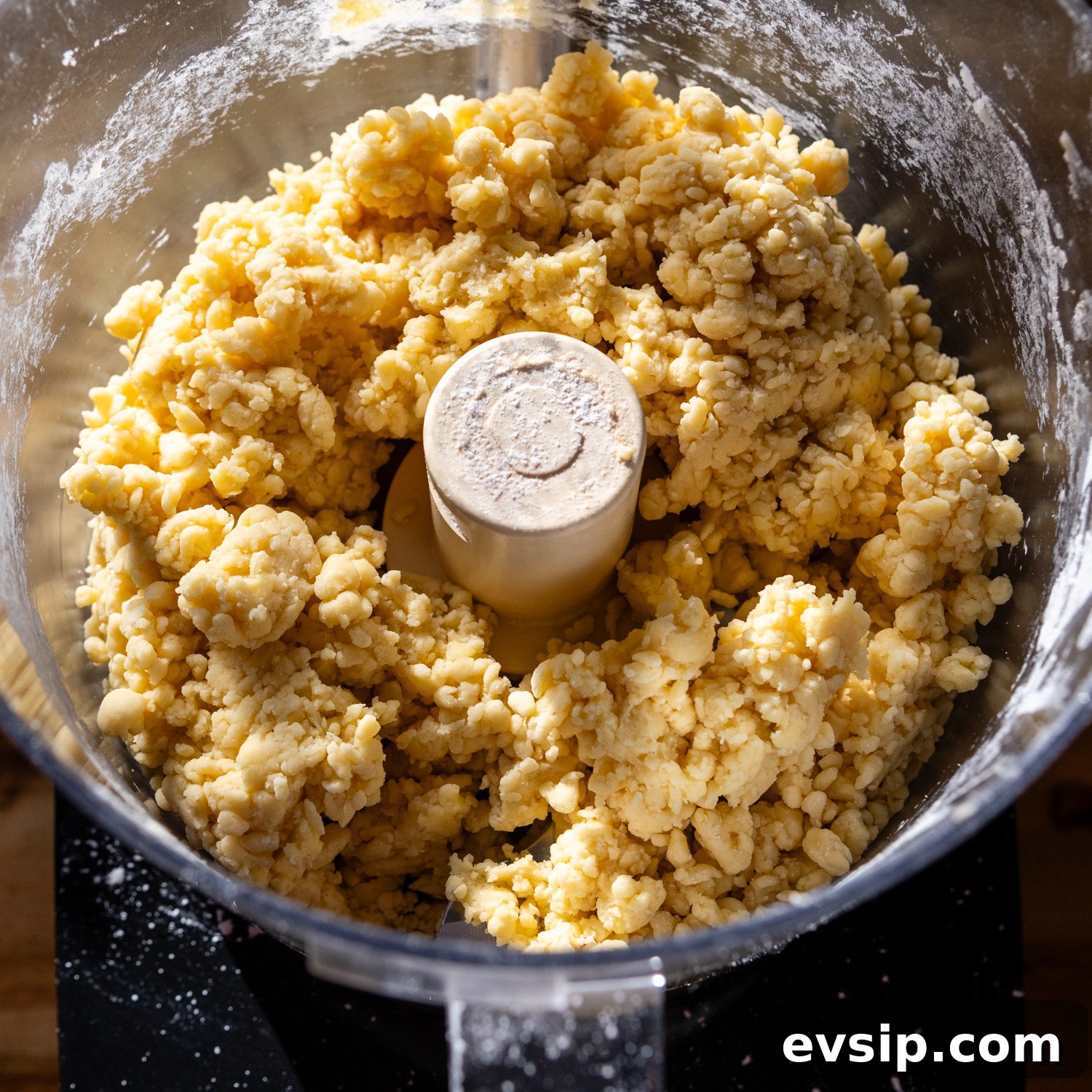
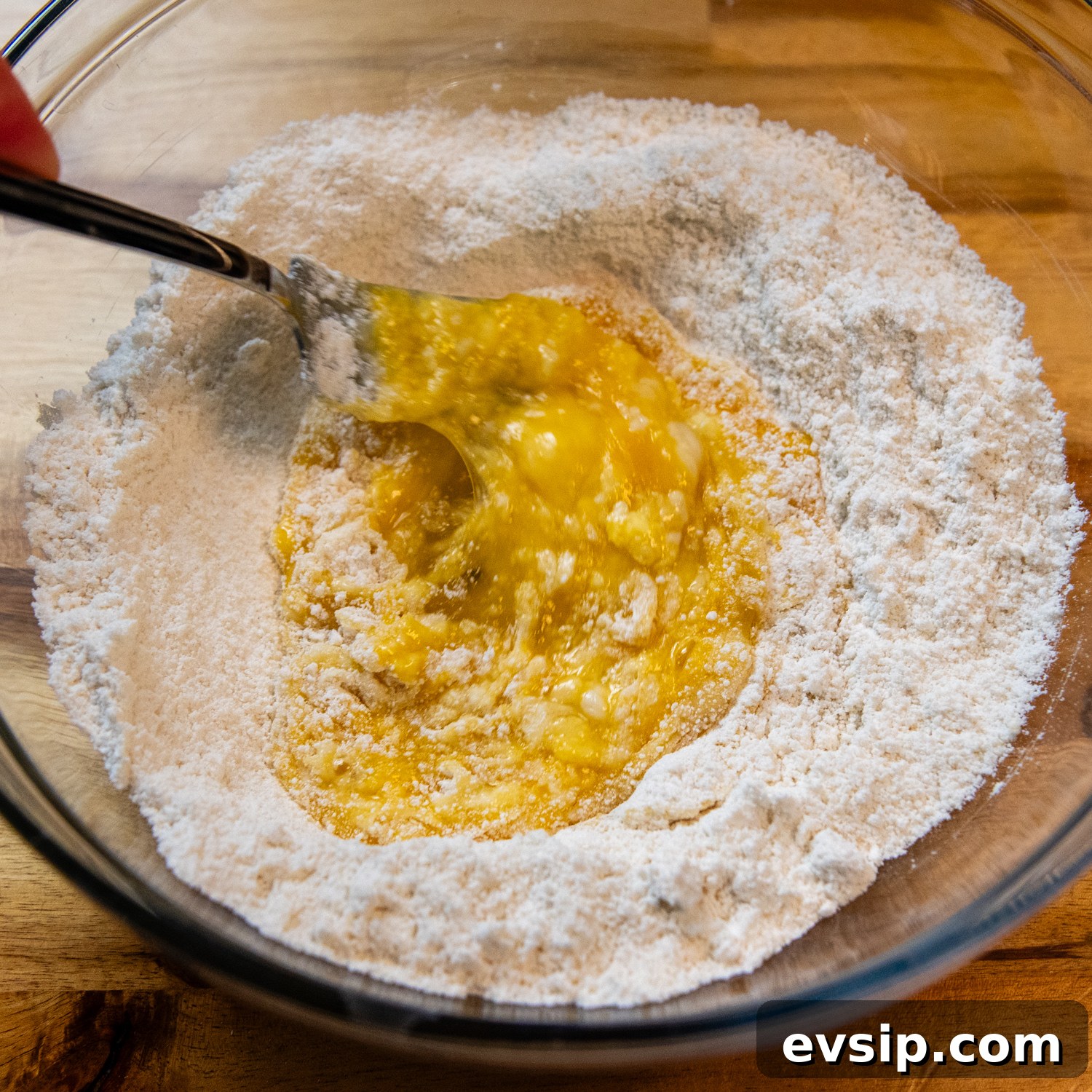
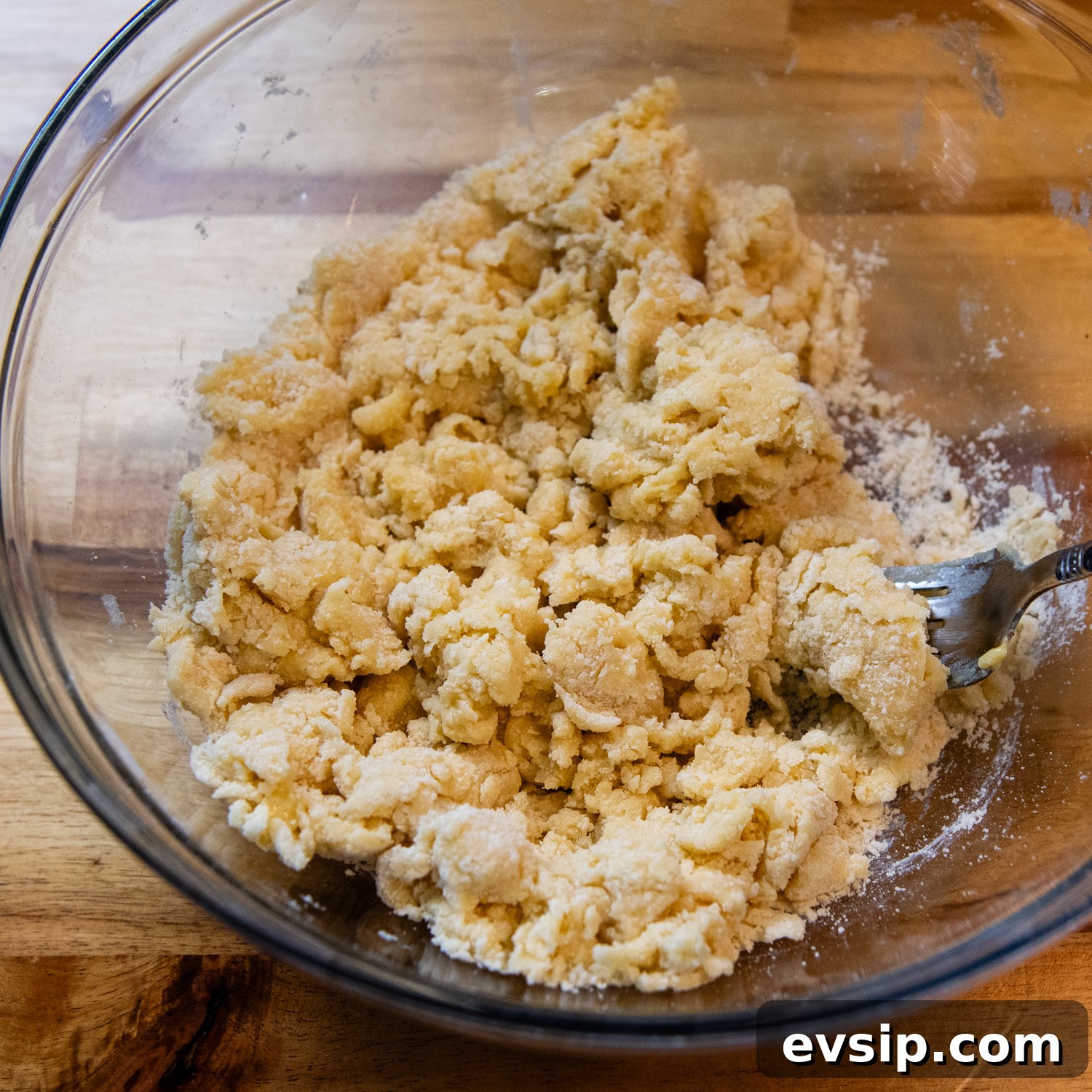
You can combine the dough in a food processor or mix it by hand. Start by mixing the dry ingredients, then add the eggs and olive oil. The mixture will form small clumps and should come together into a soft, slightly sticky dough when pressed.
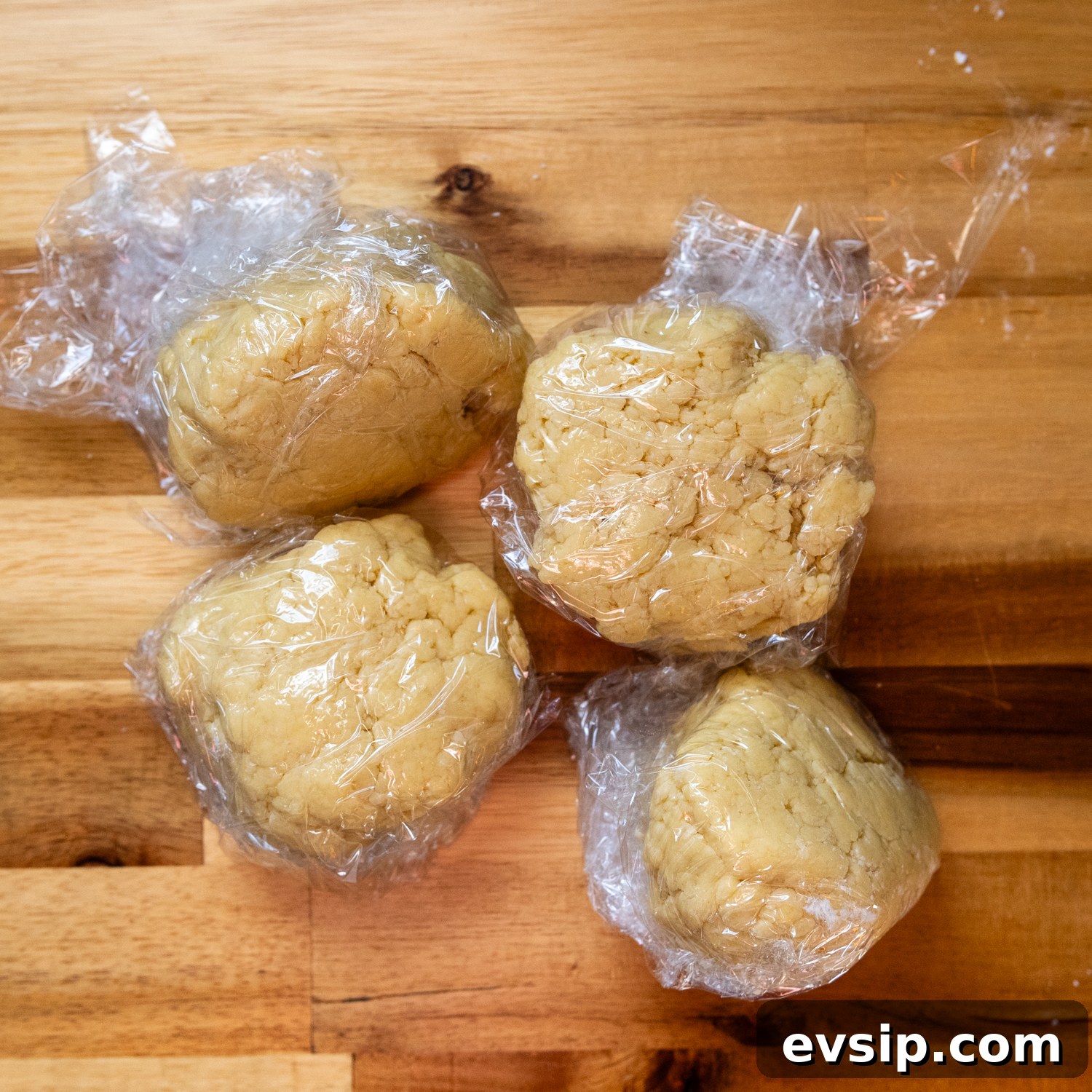
Divide because smaller is better
For easier handling, divide the dough into four portions and wrap each piece tightly to prevent drying. Resting the dough is optional; you can roll immediately if you prefer. If you do rest it, keep the wrapped dough at room temperature for up to a couple of hours.
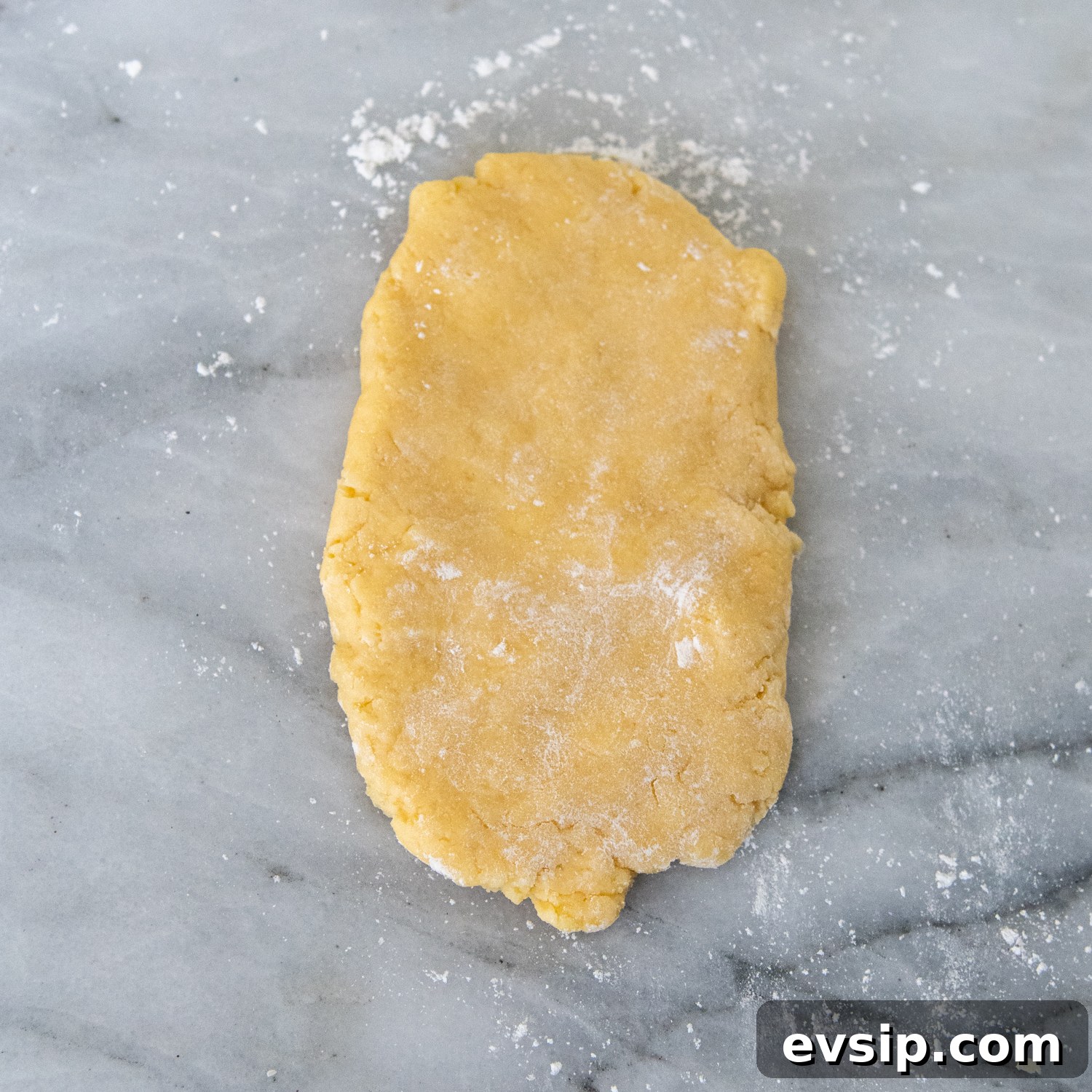
Time for the fun — turn that crank
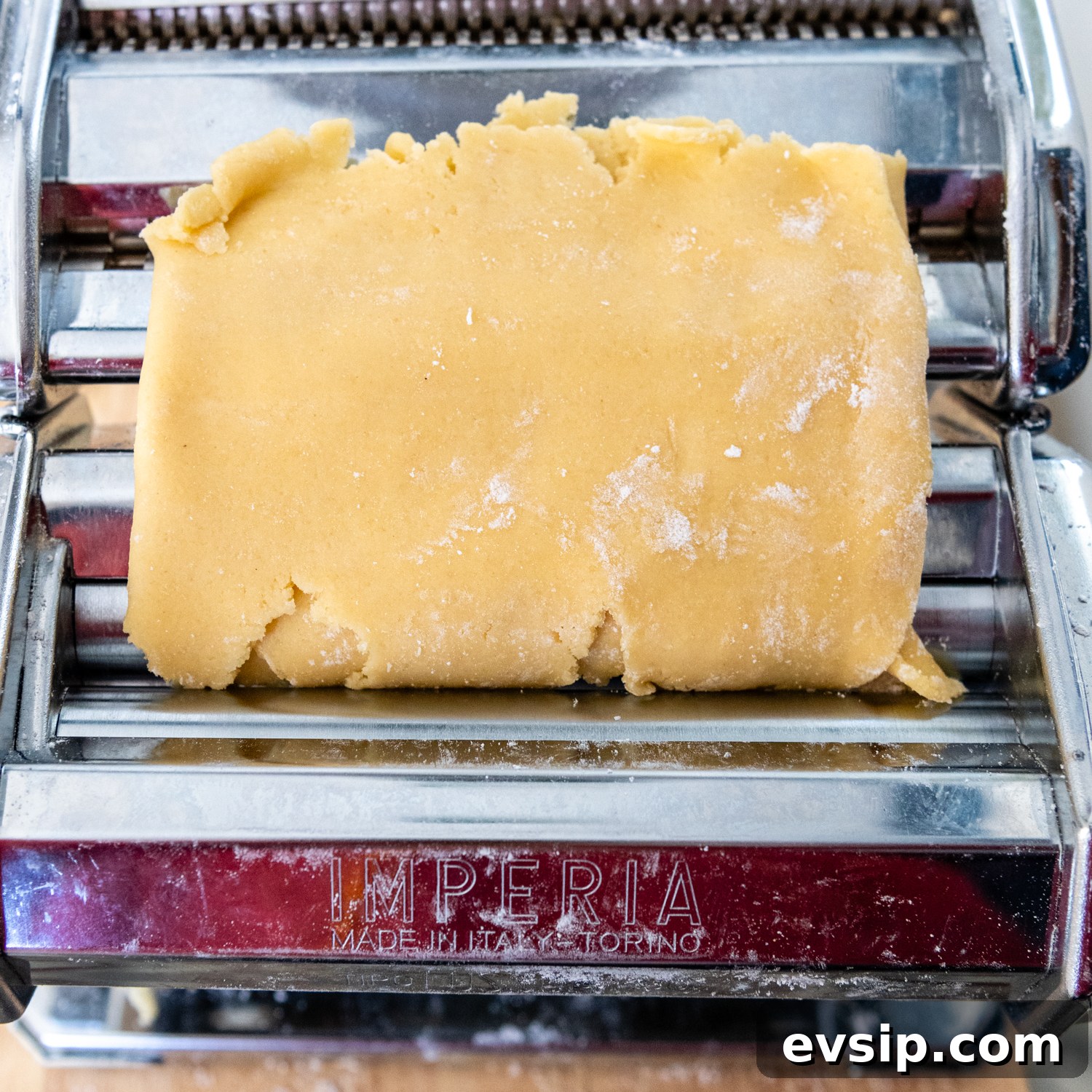
Work with one portion at a time. On a lightly floured surface, flatten about one-third of a dough ball into an oval and dust the top with a little flour. Run it through the pasta machine on the widest setting. It may come out slightly sticky or ragged at the edges; that’s normal. If the dough tears or is hard to handle, adjust moisture as noted in the recipe tips.
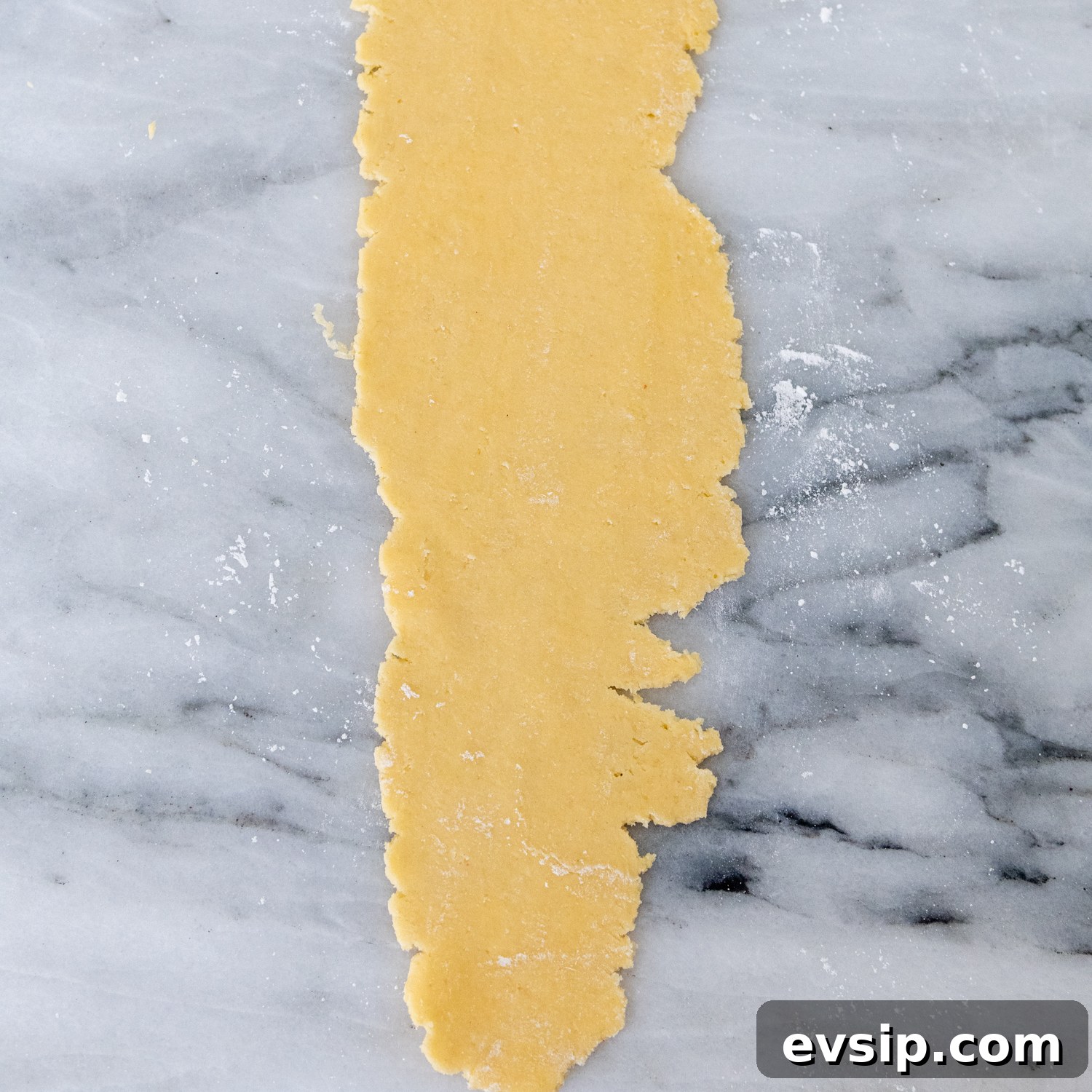
Smooth and roll
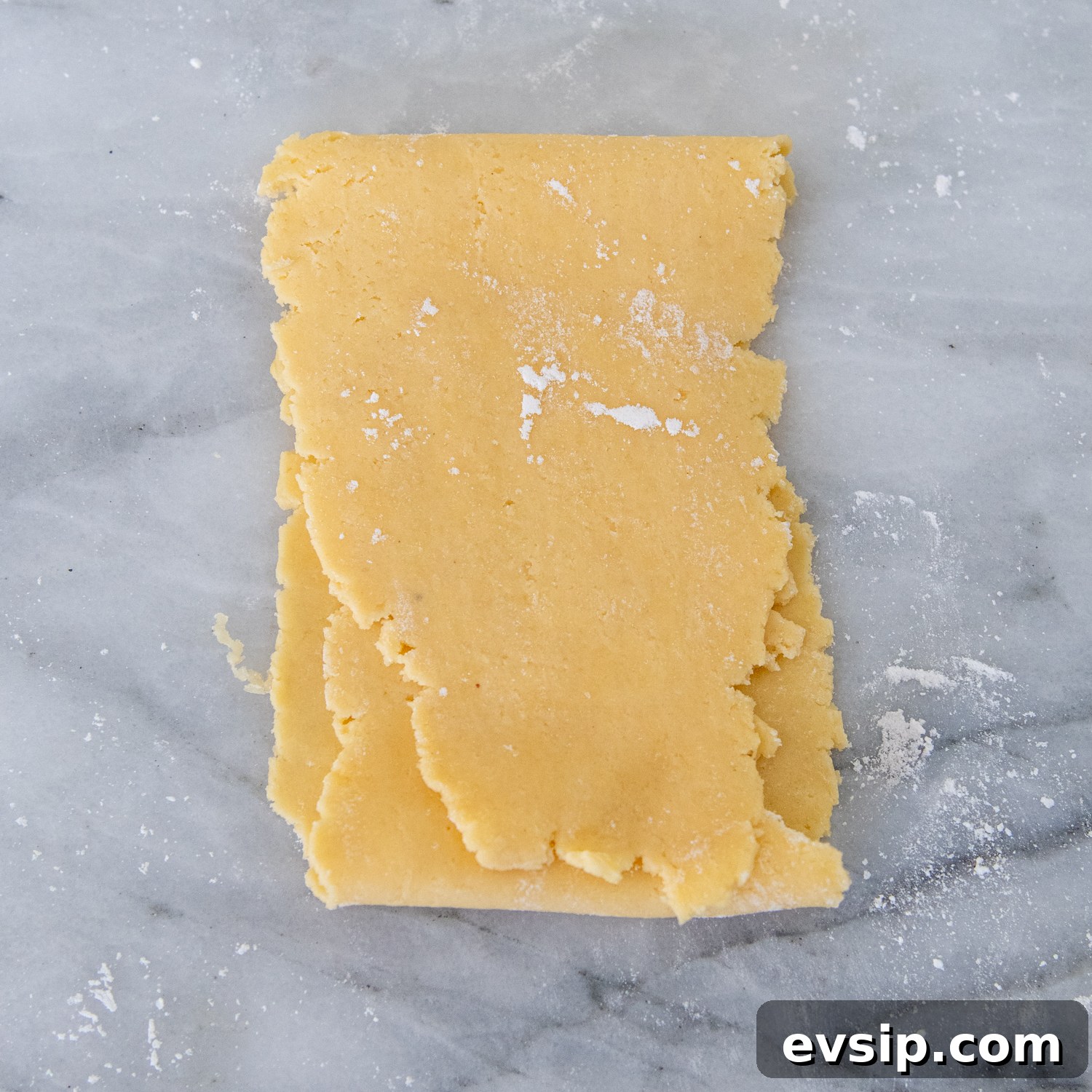
Fold the top and bottom edges toward the center, like folding a letter, then turn the piece 90 degrees and pass it through the widest setting again. This evens out the sheet and prepares it for thinning.
Fold and repeat
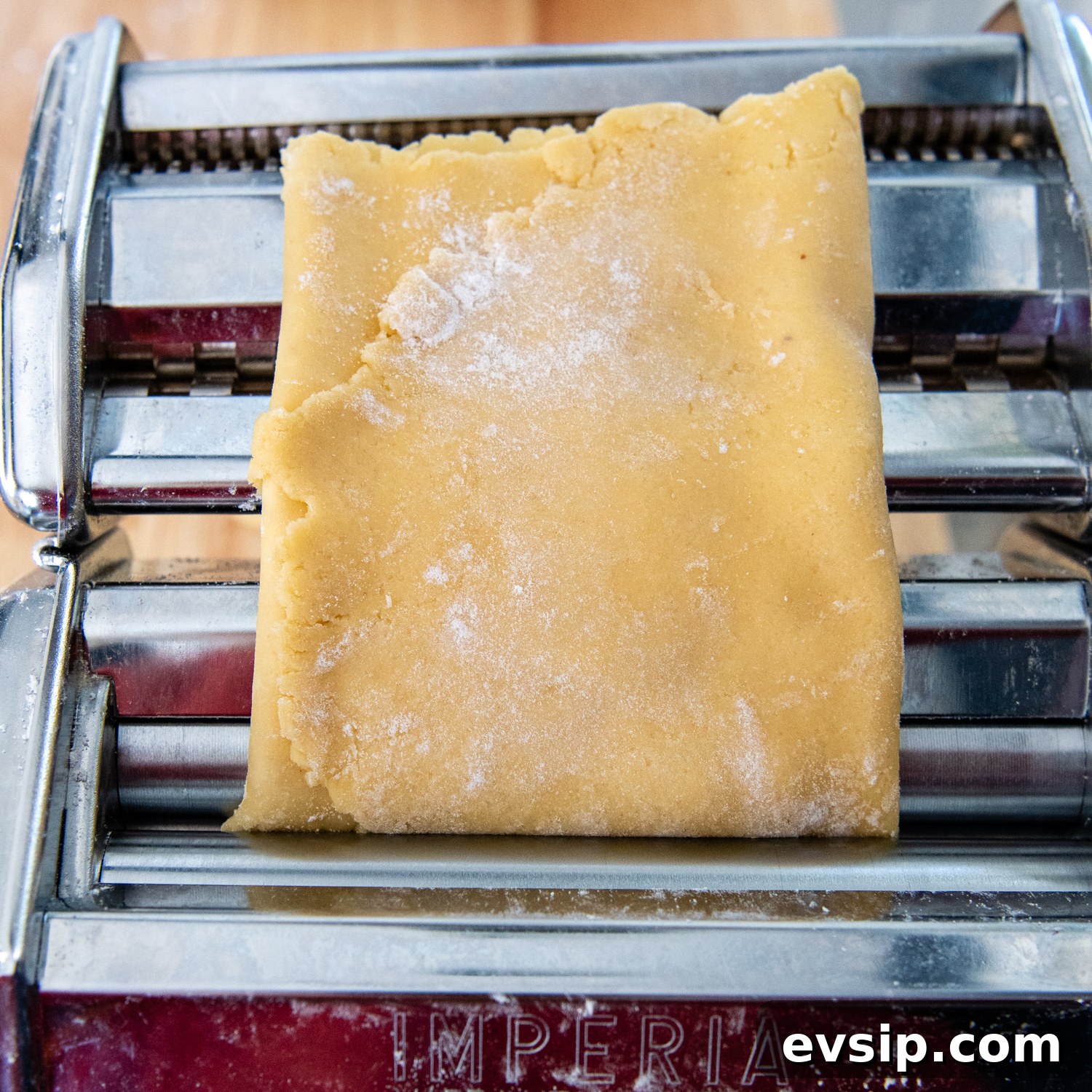
Repeat the folding and rolling process until the sheet is smooth and cohesive. Keep the wider edge running through the machine on the widest setting when folding and turning.
Smooth and cut
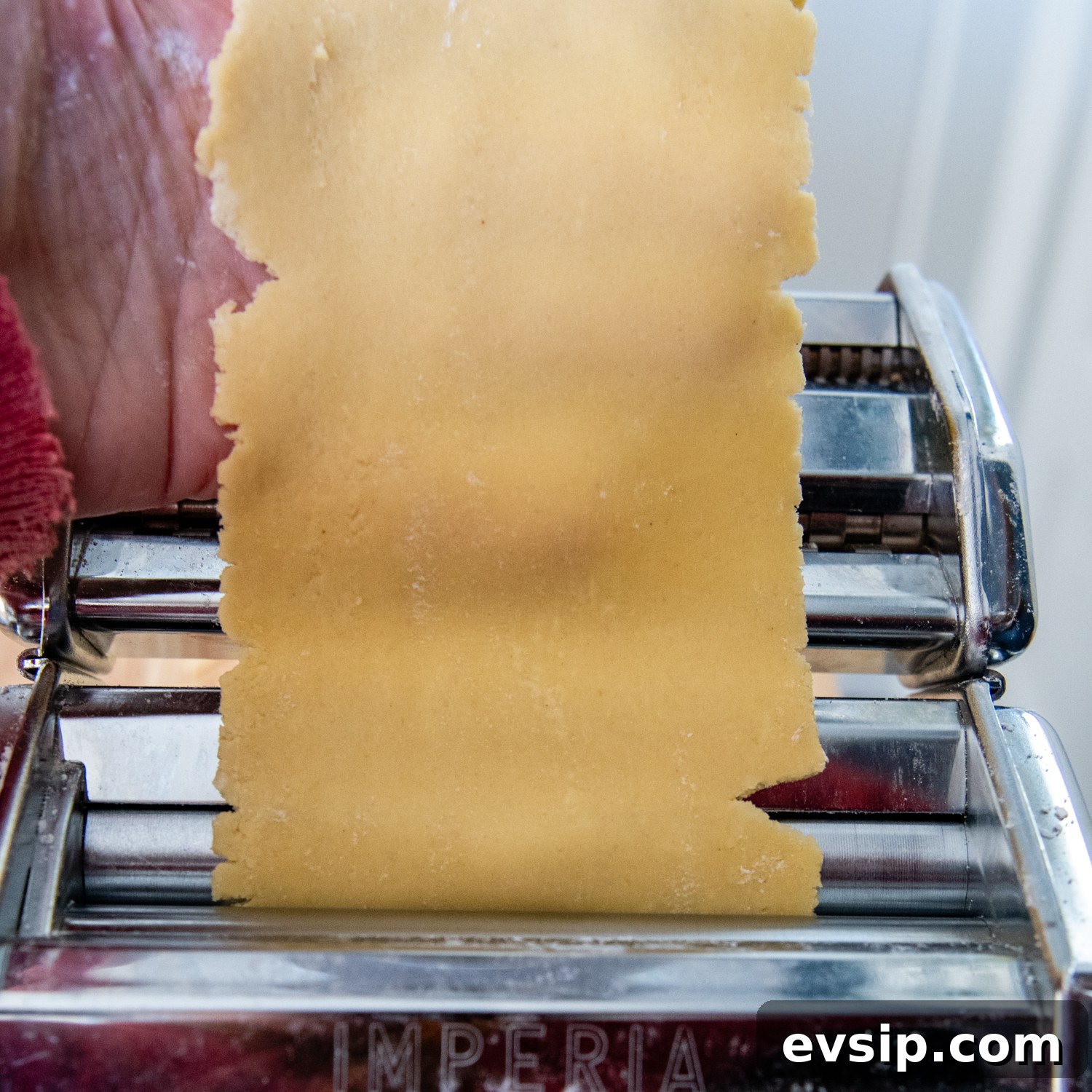
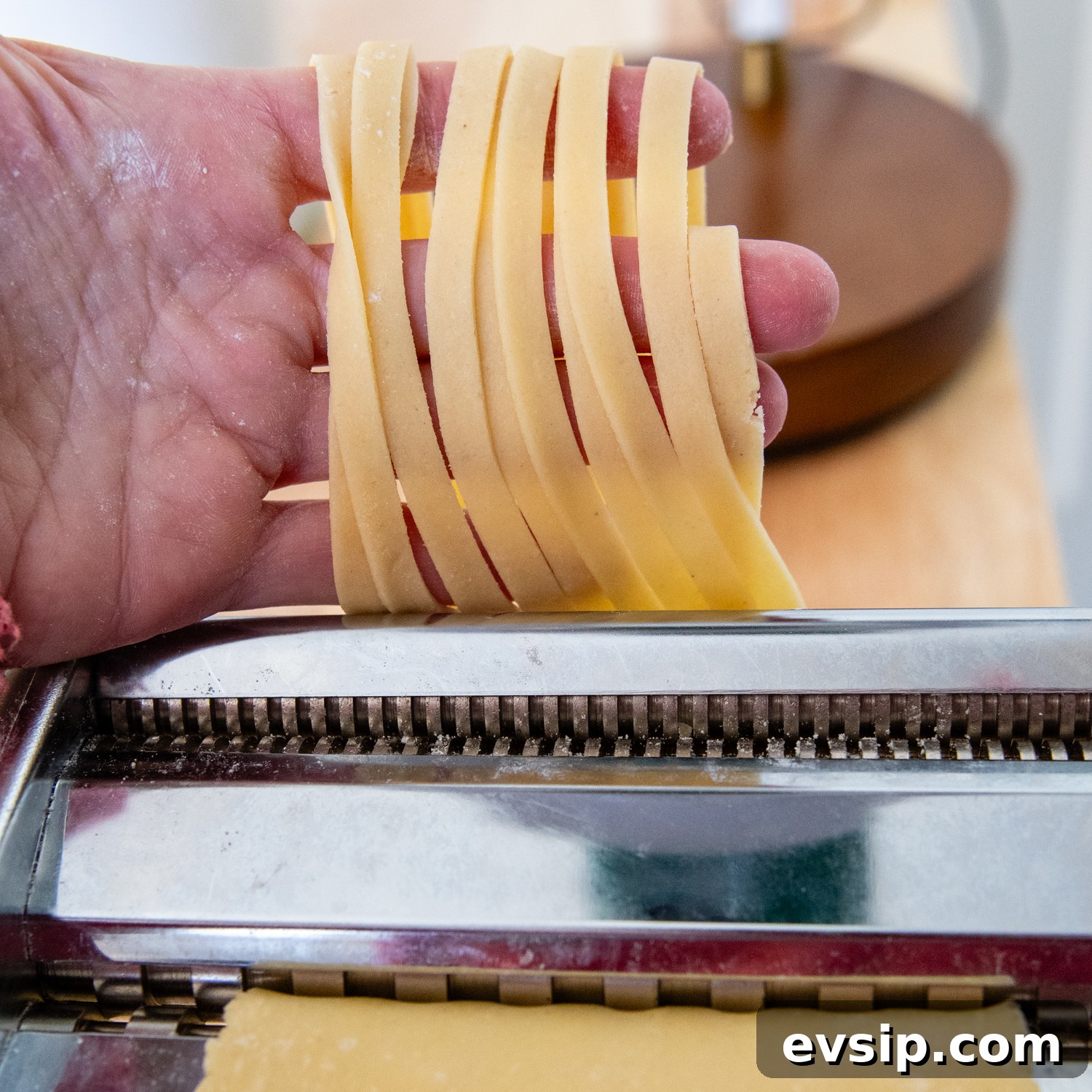
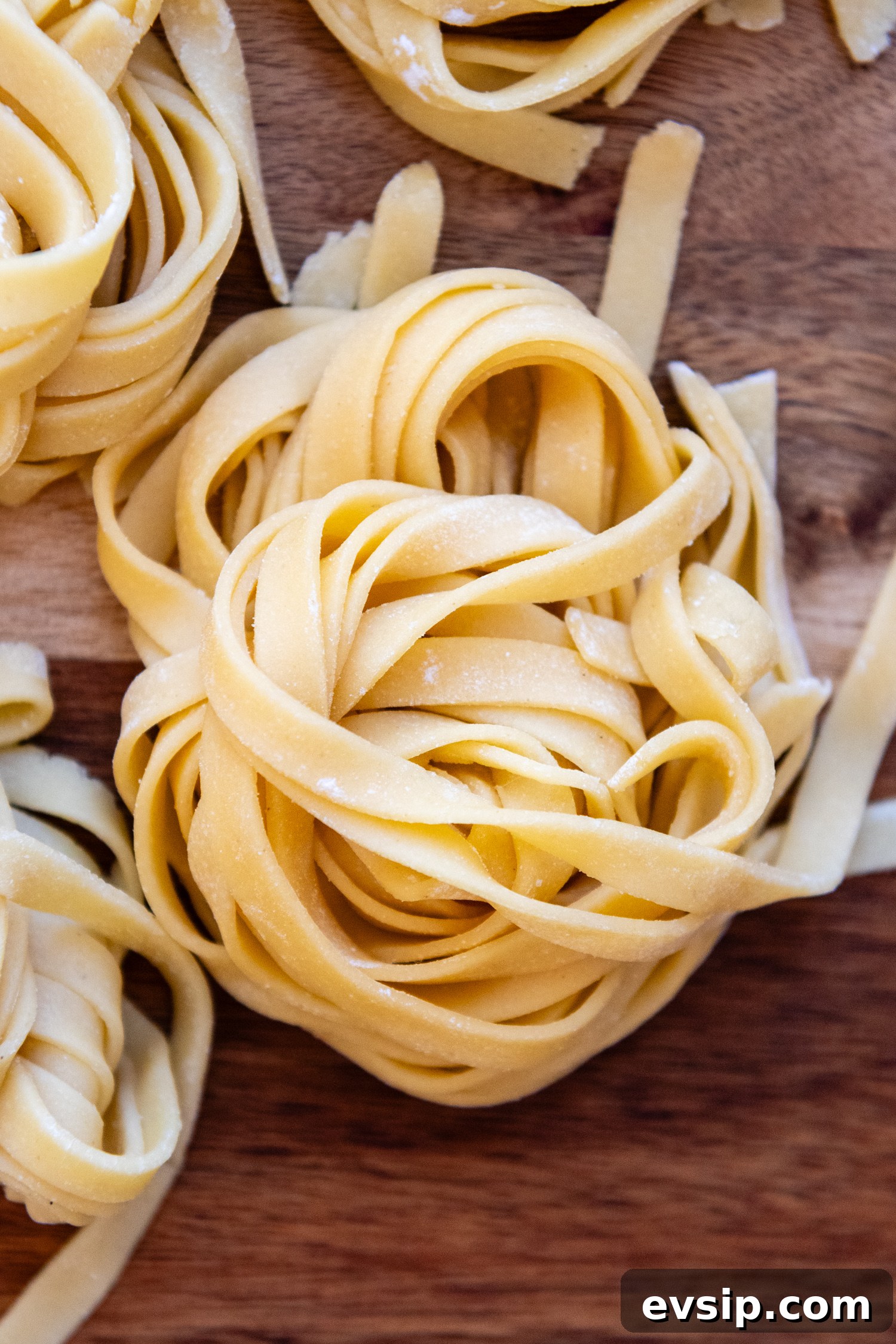
Thin the sheet by running it through the machine on progressively narrower settings — for many machines that’s settings 2 then 3 — until you reach your desired thickness. If the sheet becomes sticky, dust it lightly with flour. Then cut into fettuccine, spaghetti, or your preferred shape. Lay the cut pasta on parchment-lined baking sheets, either shaped into nests or laid flat. Cover with plastic while you finish the remaining dough.
What Gluten-Free Flour Should I Use?
The flour you choose matters. My top recommendation is Cup4Cup gluten-free flour, which produced a dough that was easy to work with and held together well after freezing and cooking. A finely milled alternative like Caputo gluten-free flour can yield excellent cooked texture but may require adding more flour while mixing and has less reliable results after freezing.
I had poor results with some measure-for-measure blends — they broke apart and weren’t pliable enough to roll through a machine without adjusting the ratios. If you experiment with other blends, be prepared to tweak flour amounts slightly and share your experience so others can benefit.
Sure-Fire Cooking Method — No Mushy Noodles!
Tip: don’t salt the pasta water. Cooking fresh gluten-free pasta in salted water can cause it to absorb too much salt and become over-seasoned. You’ll get better control of seasoning by adding a small amount of salt to the dough and seasoning the sauce to taste.
Fresh egg pasta cooks very quickly. Add the pasta to boiling unsalted water and wait until the water returns to a boil, then start timing. Fresh pasta typically needs about 2 minutes; frozen pasta may need about 2½ to 3 minutes. Keep an eye on texture and test a strand to achieve your preferred bite.
Making Lasagna Sheets With Dough
To make lasagna sheets, use about half a batch of dough and roll the sheets to a slightly thicker setting (for many machines, up to setting 3). Transfer sheets to parchment-lined baking sheets, separating layers with parchment. Refrigerate up to 24 hours or freeze for longer storage. Cut sheets to pan size with kitchen shears when you’re ready to assemble.
Save this recipe for later
If you make this recipe, please come back and leave a rating and comment — your feedback helps others and is much appreciated.
Did you make this recipe? I love hearing from you! Leave a star rating and comment below the recipe card. It helps others when searching for recipes and I appreciate feedback from our community. -Melissa
Authentic, Tender Gluten-Free Pasta (Easy Recipe)
 Melissa Erdelac
Pin
Rate
Ingredients
- 2 cups (292 g) gluten-free all-purpose flour — Cup4Cup recommended
- ½ cup + 2 tablespoons (58 g) almond flour
- ¾ teaspoon salt
- 4 large eggs
- 1 tablespoon olive oil
Equipment
- Food processor (optional)
- Pasta machine
- Baking sheets lined with parchment
Instructions
- Food processor: Combine the dry ingredients and pulse to mix. Add the eggs and olive oil and process until the mixture forms small clumps that press together into a slightly sticky dough. By hand: Whisk dry ingredients in a large bowl, make a well, whisk eggs and oil in the center, then work the flour into the eggs with a fork. Knead gently if needed until the dough forms a cohesive, slightly tacky ball. Adjust with a little flour if too wet or a splash of water if too dry.
- Divide the dough into four portions and wrap each tightly in plastic wrap.
- Set up your pasta machine, lightly flour a work surface, and prepare two parchment-lined baking sheets.
- Work with one portion at a time. Flatten about one-third of a dough ball into a smushed oval, dust both sides with flour, and pass through the widest machine setting. It will be slightly sticky and ragged; that’s fine.
- Fold the sheet into thirds (like a letter), turn it 90 degrees, and pass it through the widest setting again. Repeat until the sheet is smooth.
- Thin the sheet by running it through the next settings (for many machines: setting 2 once or twice, then setting 3). If the sheet becomes sticky, dust lightly with flour. Cut into your desired noodle shape and transfer to the baking sheet. If freezing, lay noodles flat rather than shaping into nests.
- To cook, bring unsalted water to a boil, add the pasta, and once the water returns to a boil, cook about 2 minutes for fresh pasta (2½–3 minutes if frozen). Drain and serve with your favorite sauce.
- Makes 4 generous dinner portions or 6–8 smaller portions.
Notes
Tips on achieving perfect dough
The size of your eggs and the brand of gluten-free flour affect the dough. After mixing, the dough should be clumpy and press into a slightly sticky ball. If it tears while rolling, add a small amount of water or wet your hands and knead to add moisture. If it’s too sticky, dust with flour or add a little more flour to the mix.
Storing and make-ahead tips
Fresh pasta freezes well if you lay the cut noodles flat on a baking sheet and freeze until solid, then transfer to a freezer bag. Freeze up to two months. Refrigerate wrapped sheets up to 24 hours before cooking. I don’t recommend fully drying the pasta for storage; the texture was noticeably chewier when dried and boiled.