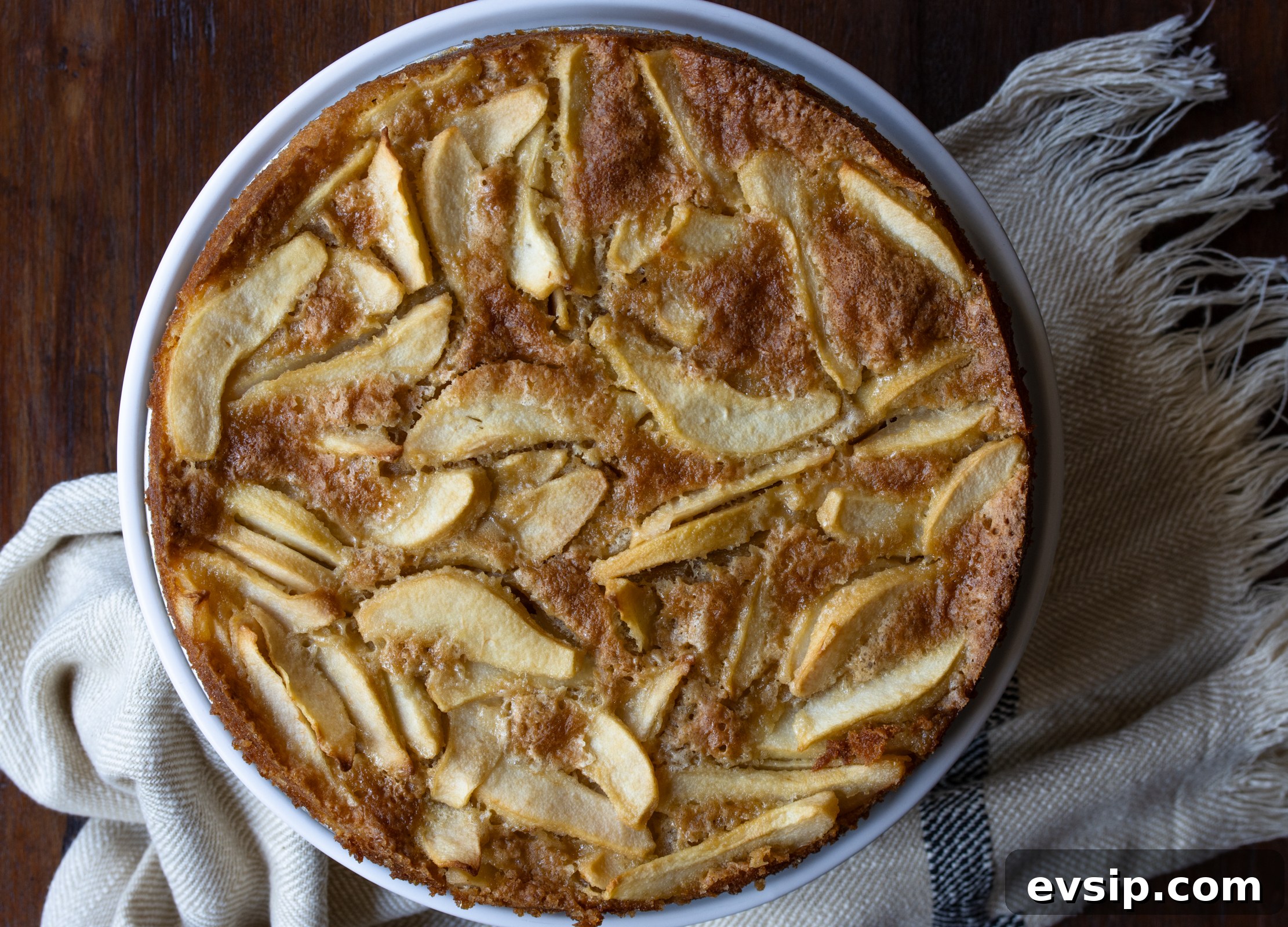
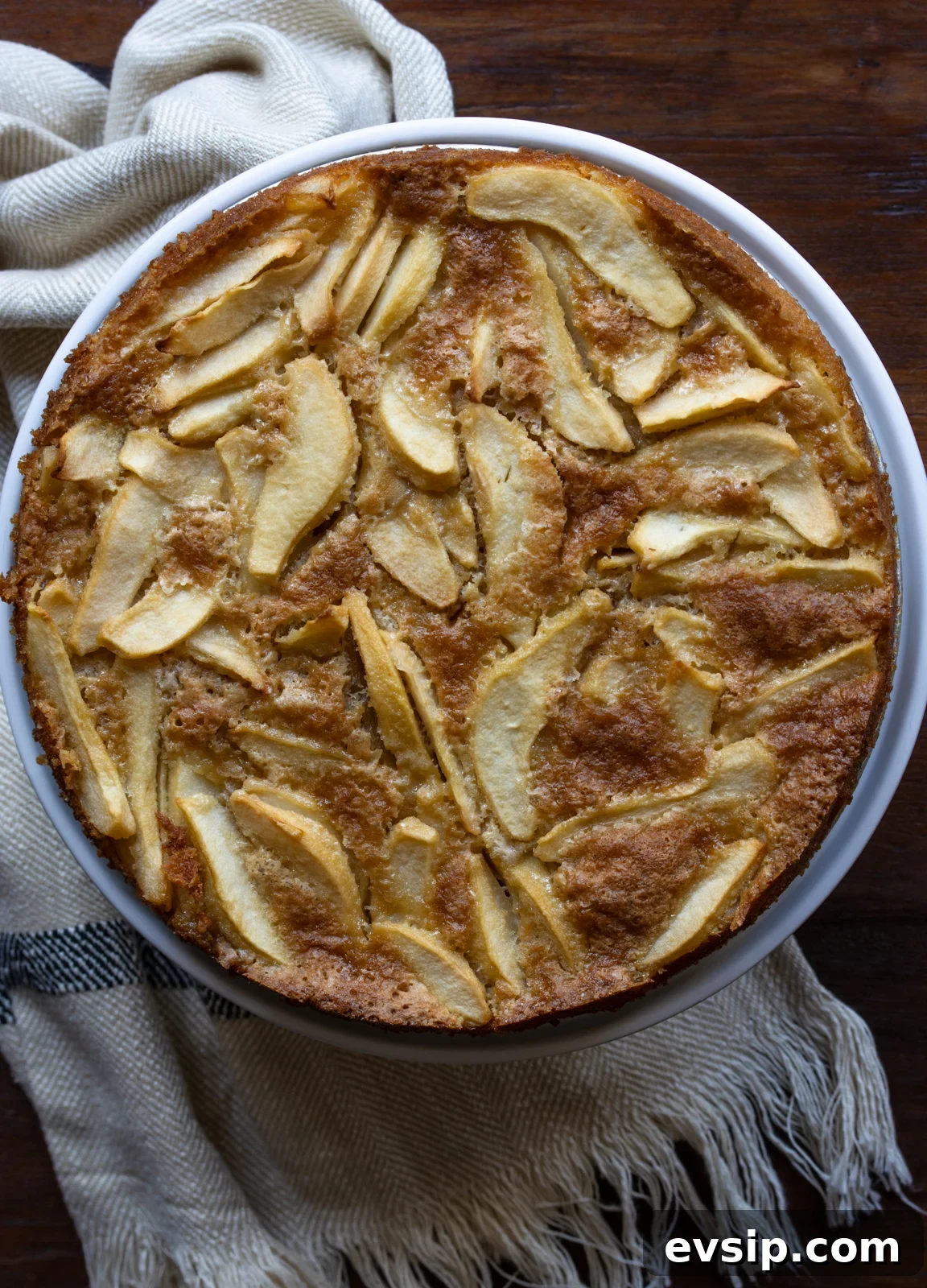
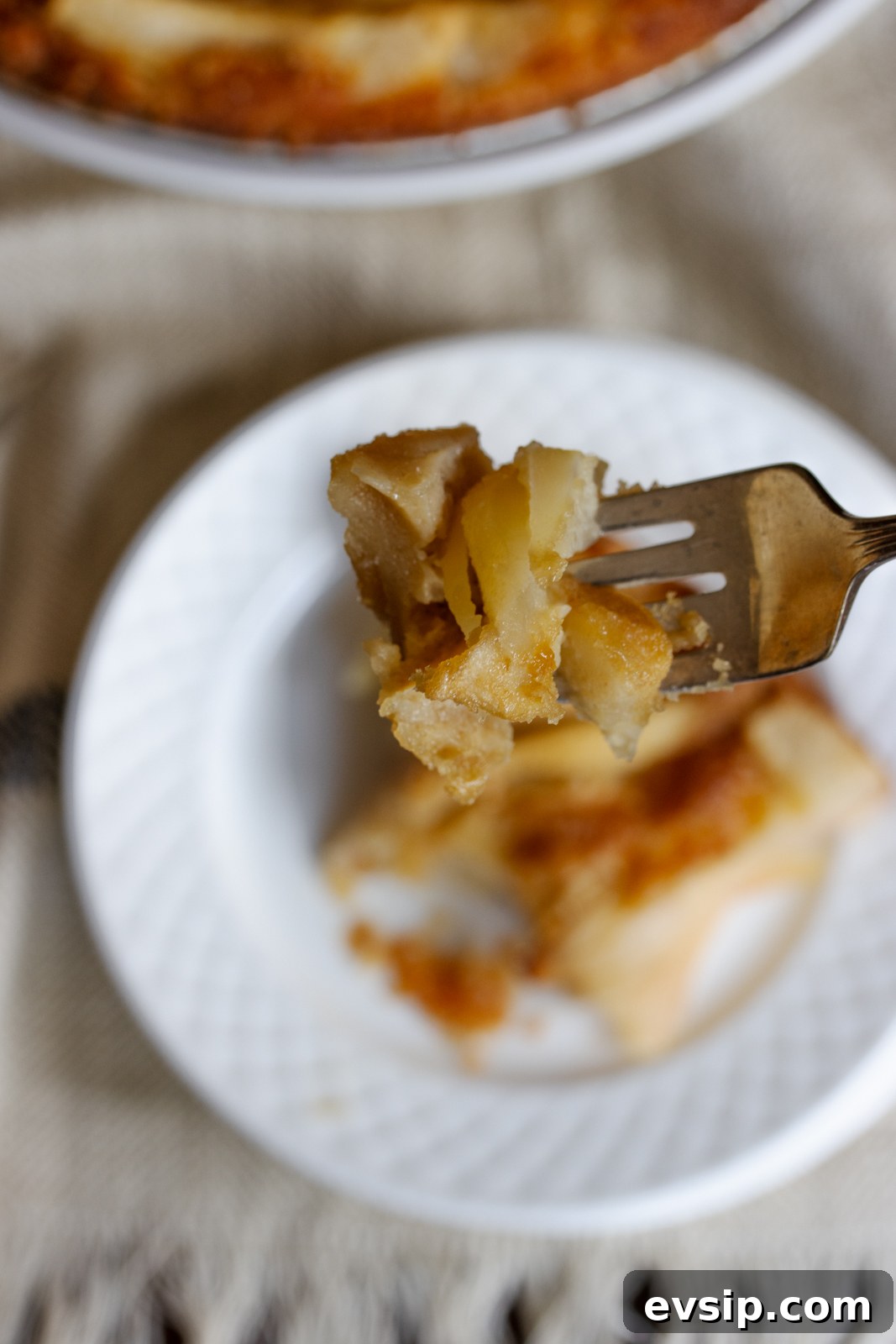
This pear cake is a delight—moist, simple, and made with everyday ingredients. It highlights the pears, offering a tender, homemade dessert that suits any occasion.
Unlike many fruit cakes, this crustless pear cake is mostly fruit. A light, sweet batter holds the slices together so you can enjoy the pears’ natural flavor and juices with every bite.
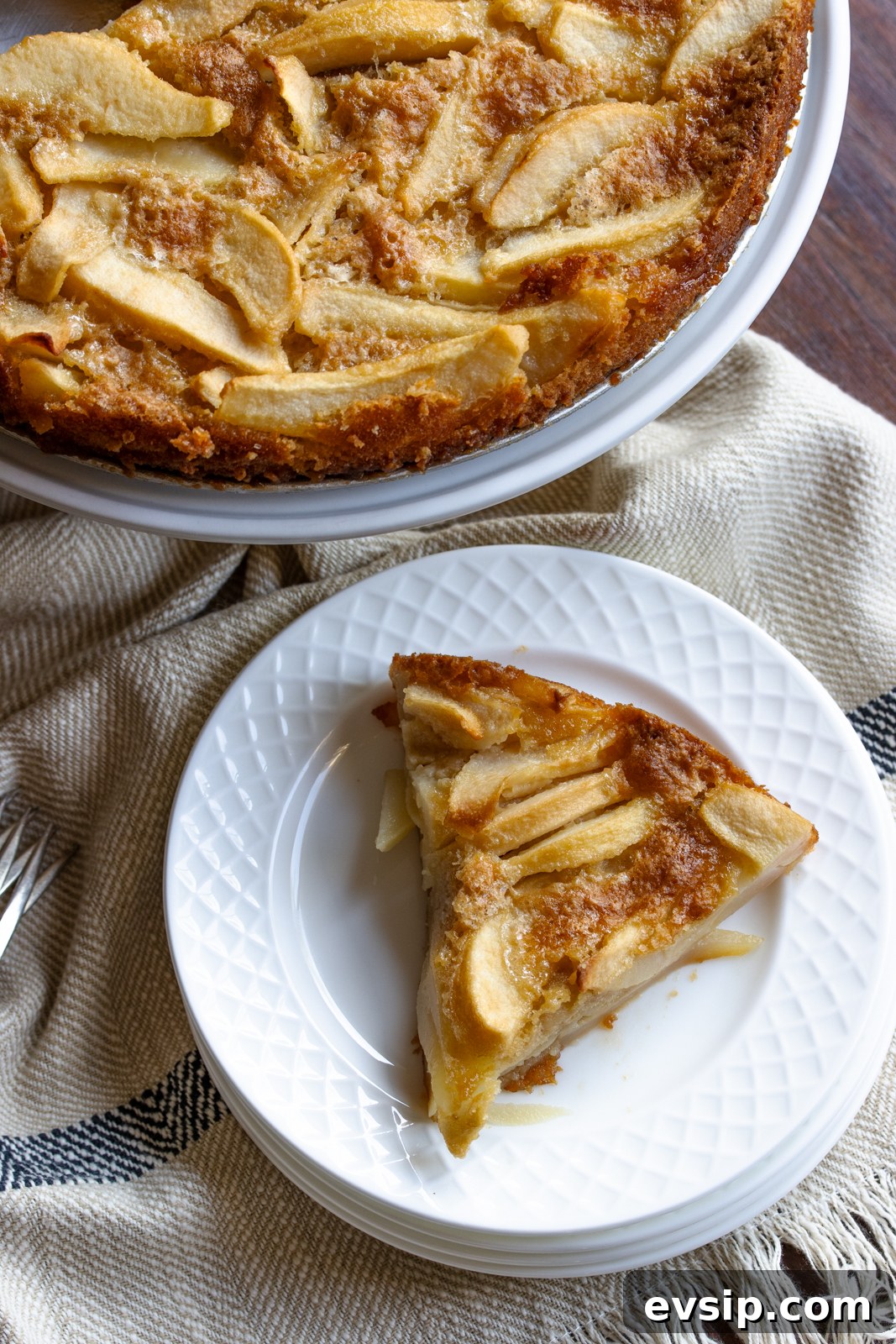
Both Italian and French baking traditions celebrate simple, well-made desserts. We don’t need a special occasion to enjoy something sweet—this cake is lovely after dinner or alongside a hot cup of tea or cocoa.
This torta di pere reaches the right level of sweetness thanks to turbinado sugar and the pears’ natural juices. It’s worth noting that the recipe calls for almost no butter—just enough to grease the pan—so the pears remain the star.
Italian home baking often favors oil over butter, while French baking typically uses butter. Also, Italian cakes rarely get heavy frostings; a light dusting of powdered sugar is usually enough.
A splash of dark rum is an essential finishing touch in this recipe. It adds a subtle depth of flavor that complements the pears without overpowering them.
In this Article
- A Note From Giangi
- Why use room-temperature ingredients?
- What is turbinado sugar?
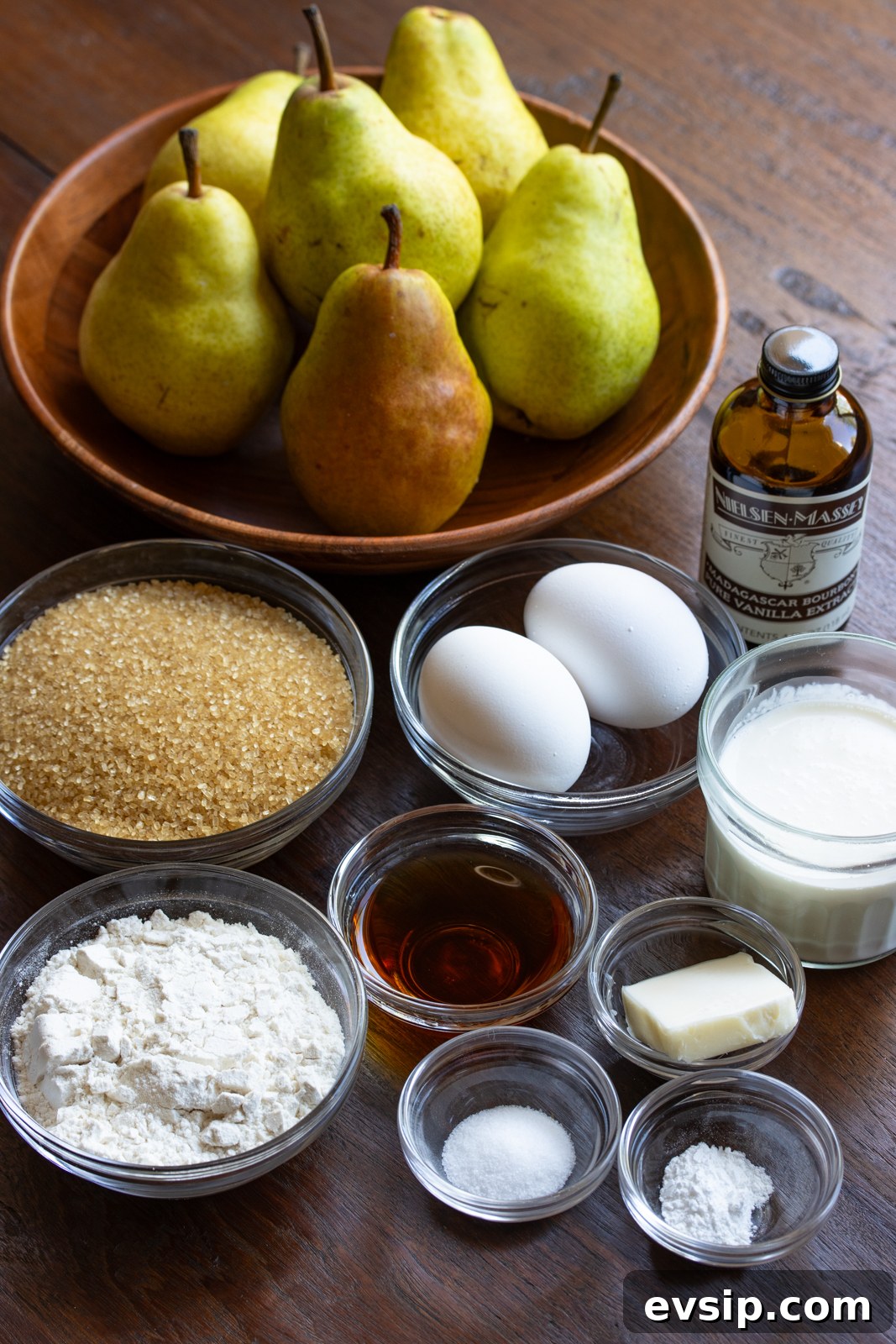
- Ingredients needed
- Equipment needed
- Step by step
- Giangi’s Pro Tips
- Variations and substitutions
- Storing and reheating
- Frequently asked questions
A Note From Giangi

Simple ingredients—most are pantry staples.
Quick and easy: this dessert takes little time to prepare and requires no special equipment.
Enjoy it on its own or with a scoop of ice cream or a dollop of lightly sweetened whipped cream. The pears remain the highlight.
Why use room-temperature ingredients?
Ingredients at room temperature mix together more smoothly, producing a silkier batter and a lighter, more tender cake. Take cold ingredients out of the fridge at least an hour before baking to bring them to room temperature.
What is turbinado sugar?
Turbinado sugar is a lightly refined cane sugar with large crystals and a golden color from natural molasses. It has a mild caramel-molasses flavor and a pleasant crunch when used on top.
Sometimes labeled as “raw” or “natural,” turbinado is less processed than white sugar and retains some molasses. It differs from demerara in flavor and texture—turbinado tends to have a stronger molasses note.
Ingredients needed to make this recipe
The ingredient list is short and straightforward—many items are likely already in your pantry. Read the full recipe for quantities and details.
- Bartlett pears – fresh pears work best. Slightly underripe pears are fine; very soft pears may not hold their shape.
- Unsalted butter – for greasing the pan so you control the salt level.
- Turbinado sugar – a few tablespoons to coat the pan and a larger amount in the batter for natural sweetness and texture.
- All-purpose flour – unbleached all-purpose flour works well.
- Baking powder and salt – to help the cake rise and balance flavors.
- Eggs – large, at room temperature.
- Heavy cream – adds richness.
- Dark rum – a small amount brightens the flavor; alcohol cooks off, leaving the essence behind.
- Vanilla extract – for subtle depth.
Equipment Needed
- 10-inch springform pan (easier removal)
- Mixing bowl
- Whisk
- Peeler and knife
- Sheet pan and parchment paper (to catch any drips)
Step by step on how to make this pear cake
Gather all ingredients before starting. Follow these steps for a reliable result.
Start by
- Preheat the oven to 350°F (175°C).
- Peel, core, and slice the pears; set aside.
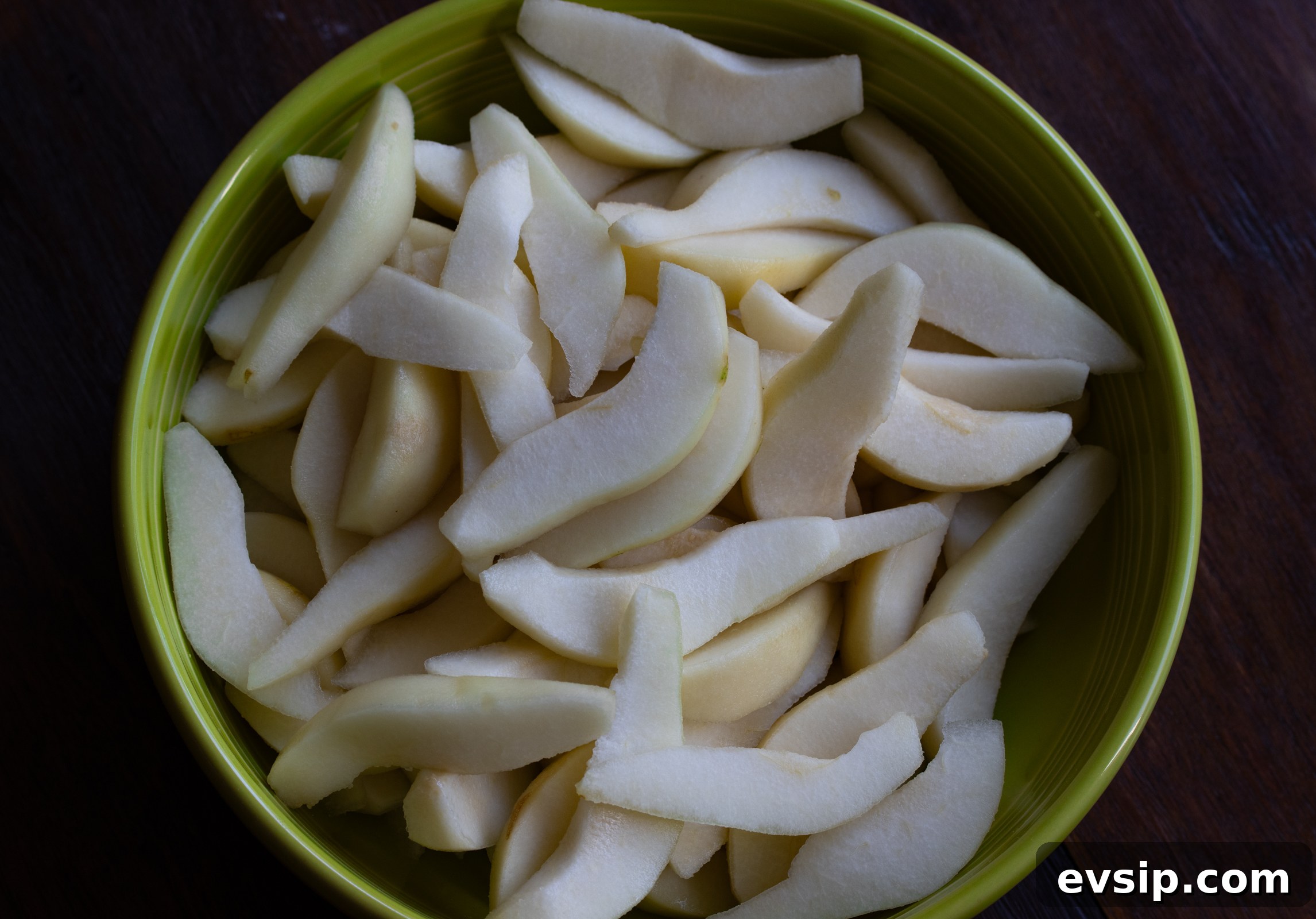
Meanwhile
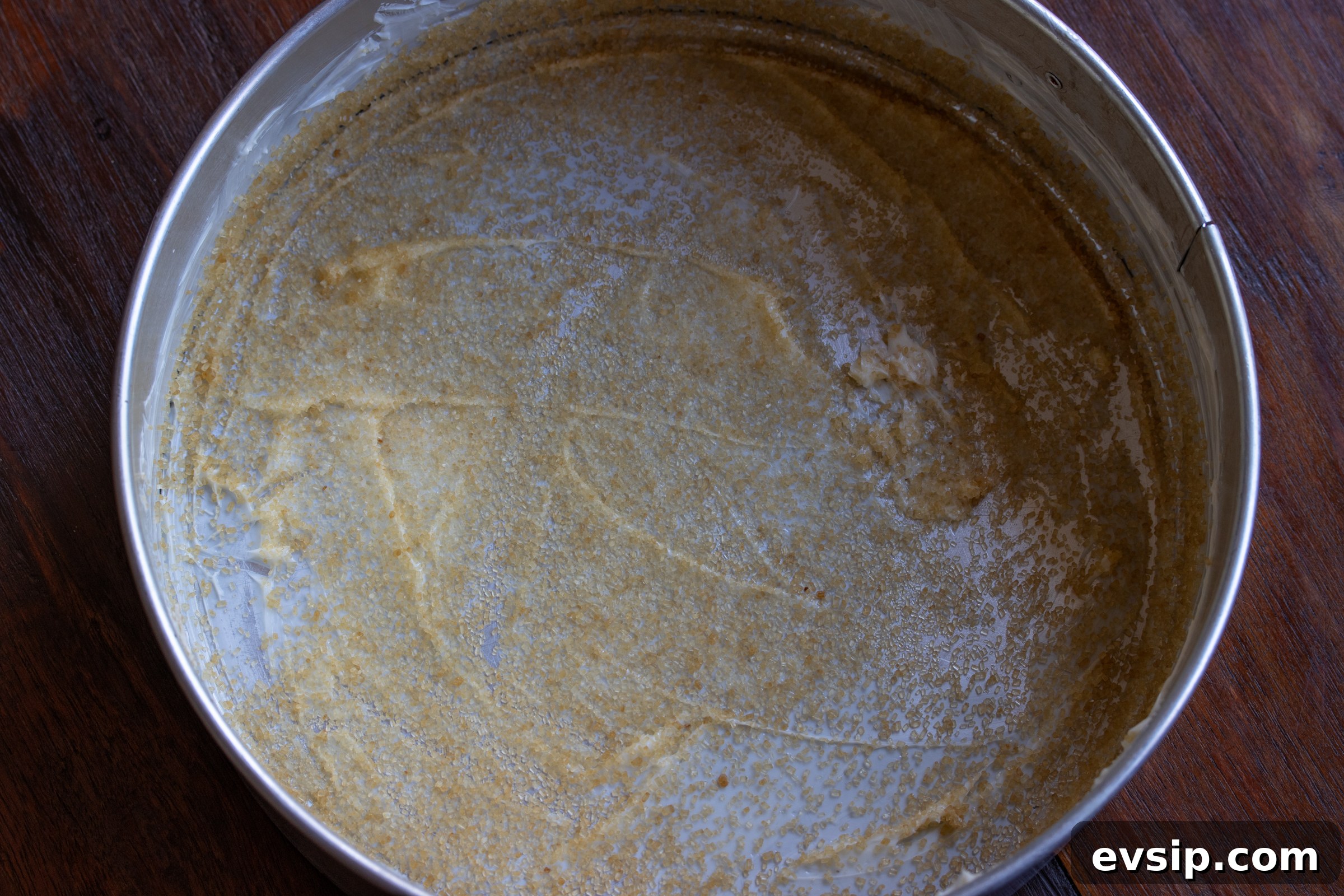
- Thoroughly butter a 10-inch springform pan, coating the bottom and sides.
- Sprinkle 2 tablespoons of turbinado sugar into the pan and shake to coat evenly.
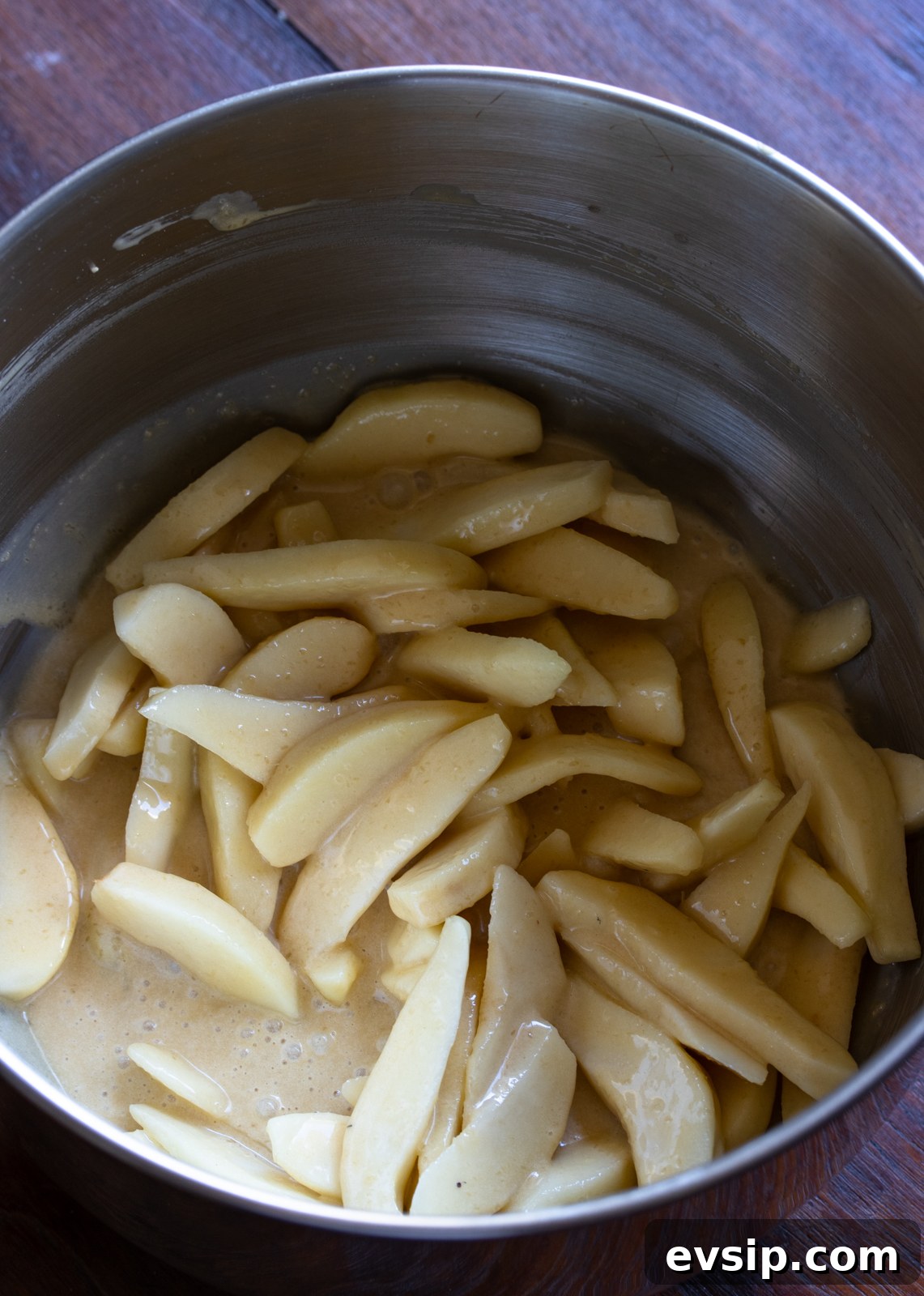
- In a bowl, whisk together 1 cup of sugar, the flour, baking powder, salt, eggs, heavy cream, dark rum, and vanilla. Mix until combined—do not overmix.
- Gently fold the pear slices into the batter so they are evenly coated.
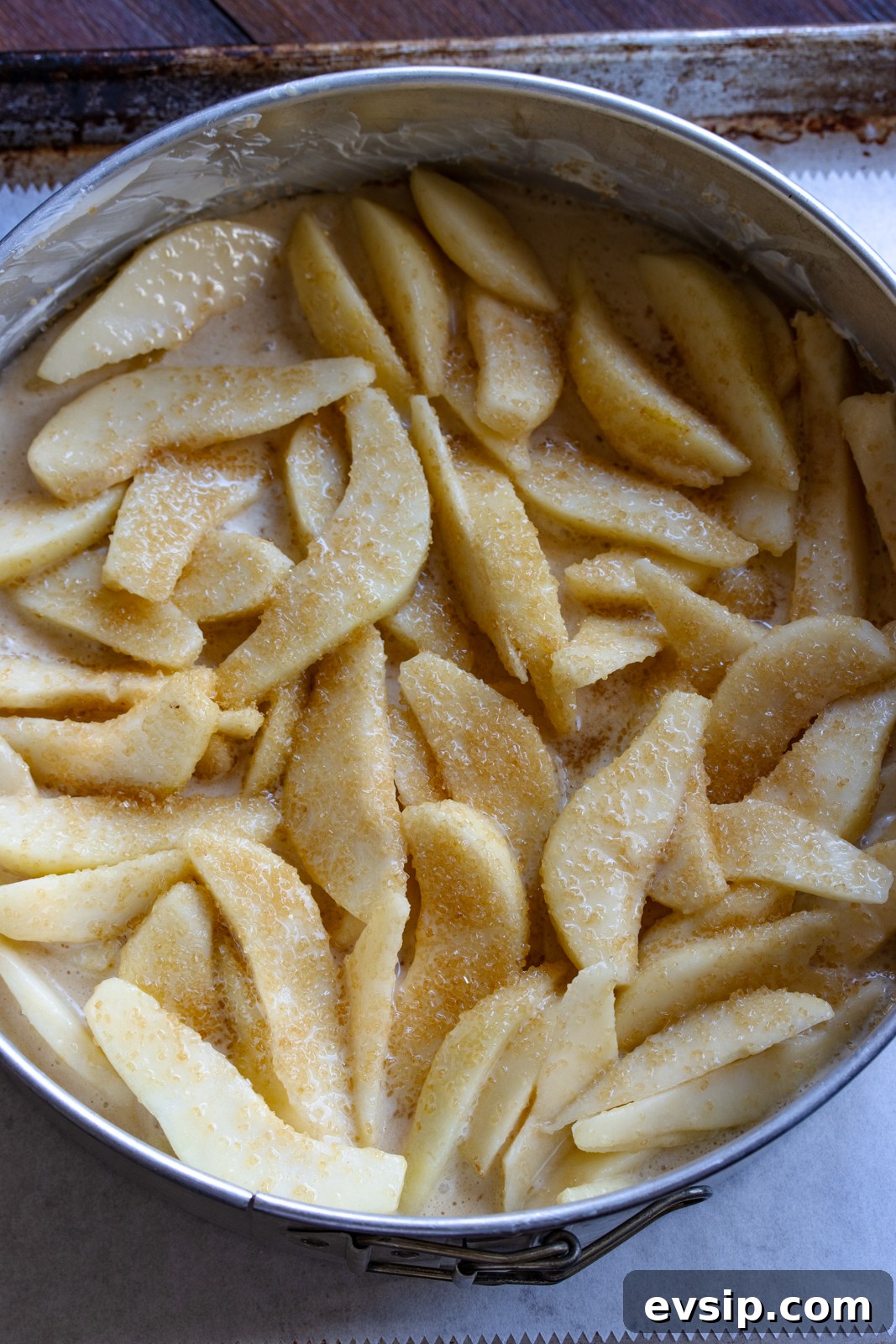
- Pour the mixture into the prepared springform pan and arrange the pears evenly. Sprinkle the remaining turbinado sugar over the top.
Ready to bake
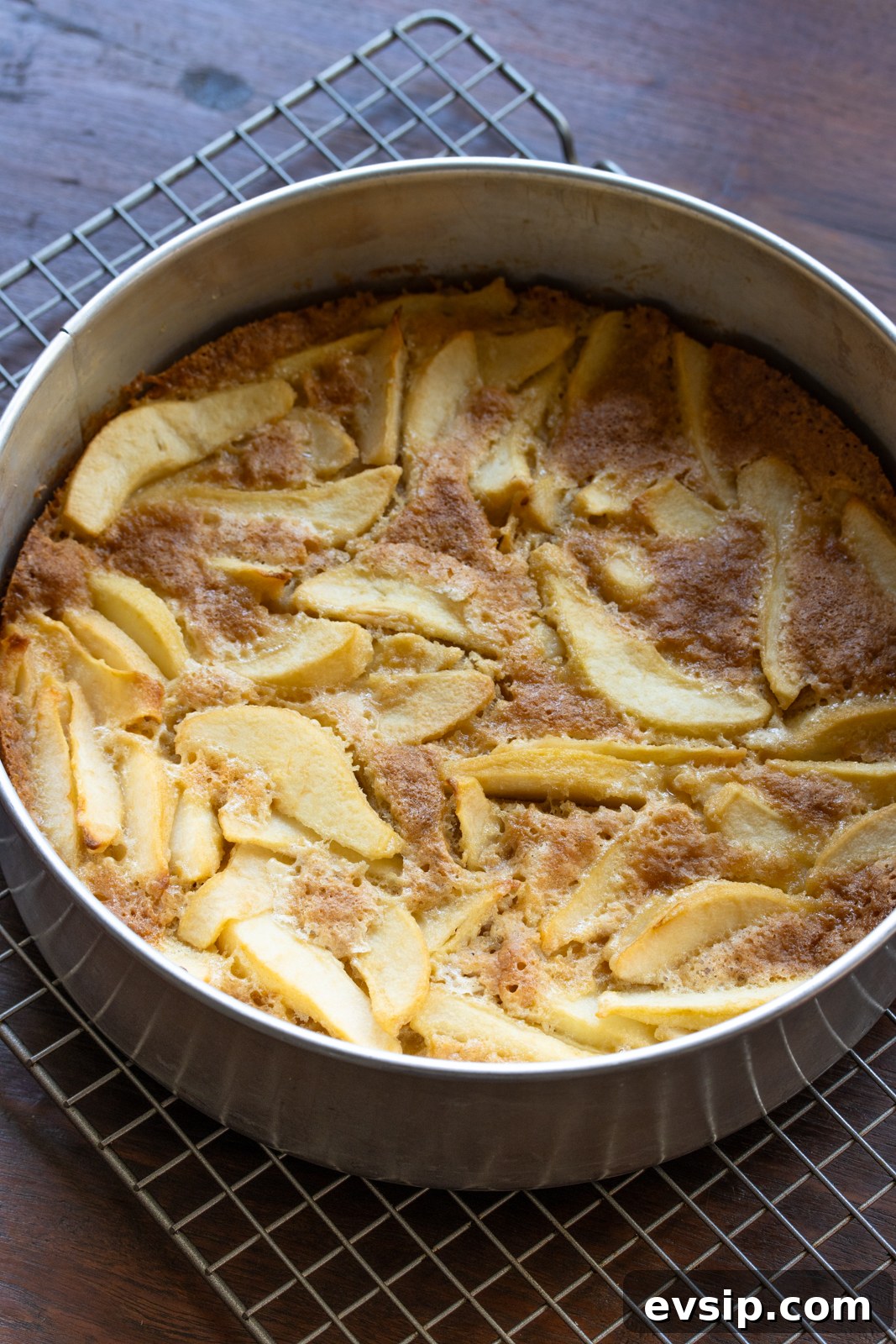
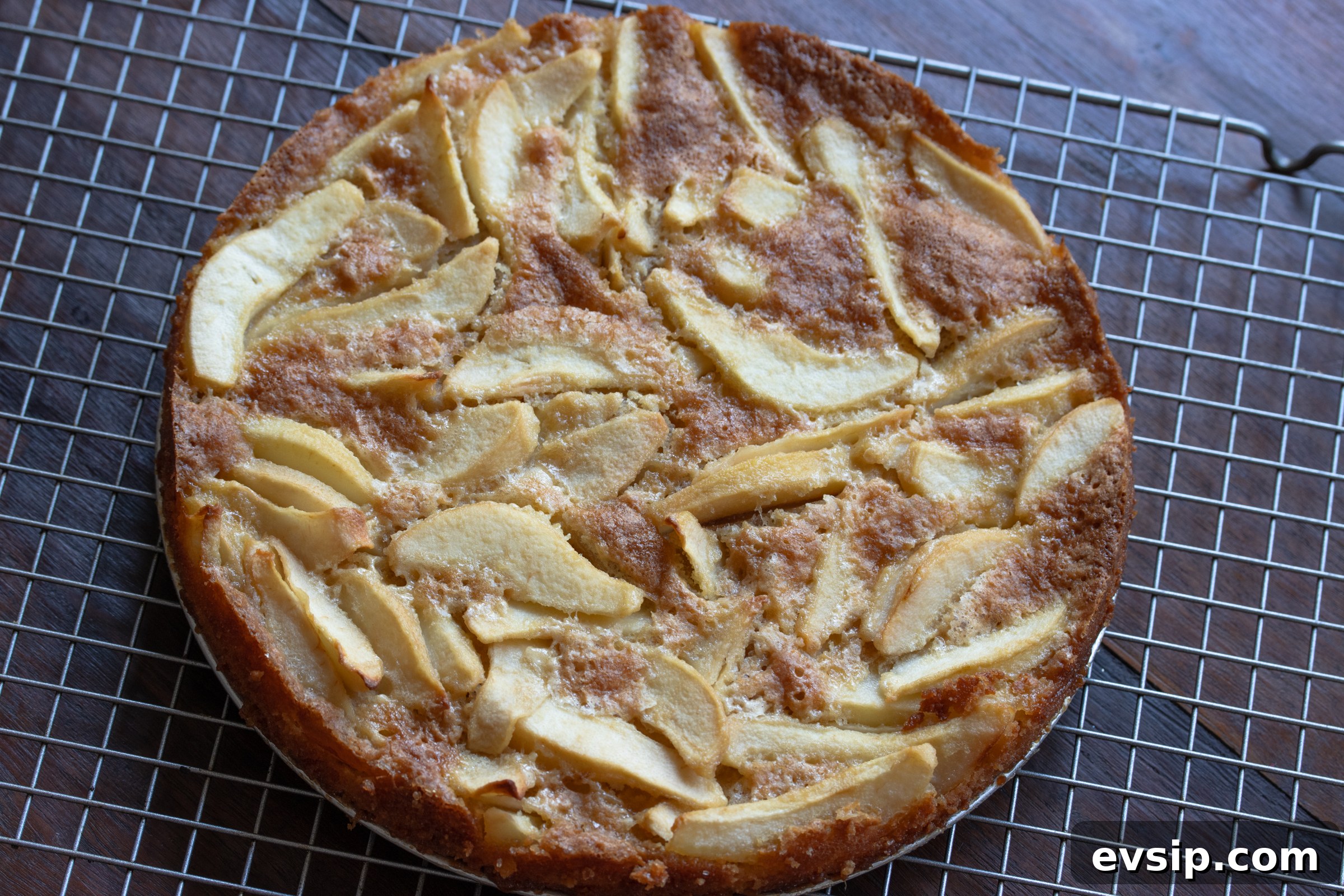
- Place the springform on a parchment-lined baking sheet and bake until the top is golden and firm, about 1 hour and 20 minutes. A toothpick inserted into the center should come out clean.
- Oven temperatures vary, so adjust the time as needed for your oven.
Let it rest
- Remove the cake from the oven and cool on a rack for about 5 minutes.
- Run a sharp knife around the inner edge of the springform to loosen the cake, then remove the side of the pan.
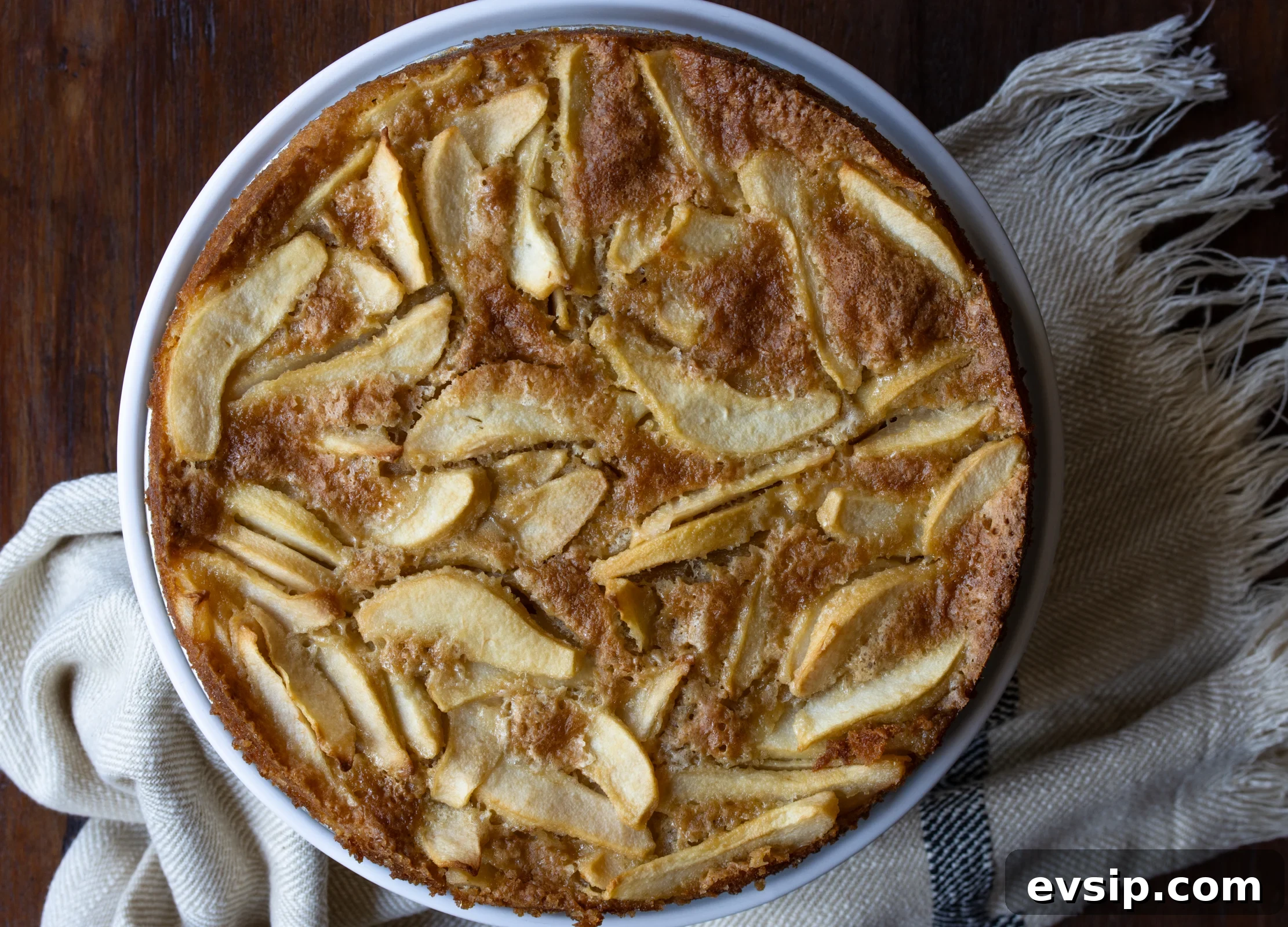
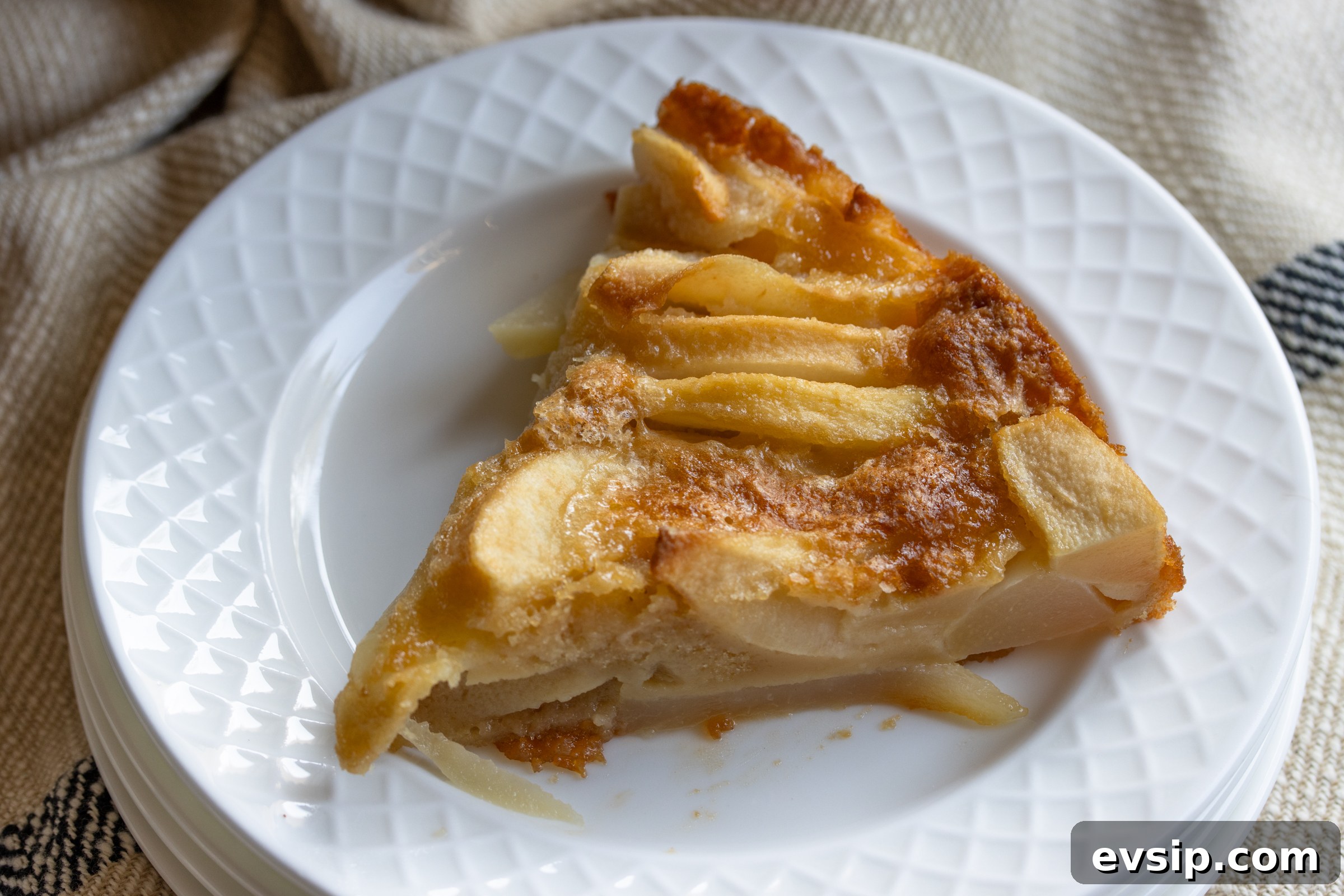
- Serve warm or at room temperature. A light dusting of powdered sugar is optional.
Giangi’s Pro Tips
- Avoid overmixing the batter—too much mixing makes the cake dense or tough.
- Do not use canned pears; fresh fruit provides far better flavor and texture.
- Use a springform pan for easy release.
- Place the springform on a parchment-lined baking sheet to catch any butter or juices that might leak during baking.
What to serve with this pear cake
This cake pairs well with vanilla ice cream, lightly sweetened whipped cream, or a small scoop of chantilly. It’s a flexible dessert that works for weeknights or special gatherings.
Variations and Substitutions
- Swap pears for fresh peaches or apples in summer.
- Bosc or d’Anjou pears are good alternatives if you want firmer slices that hold their shape.
- Add a light sprinkle of cinnamon to the pears if you like a hint of spice—use sparingly.
Storing and Reheating
Room temperature: Store the cake in a covered cake stand for one day.
Refrigerate: Wrap completely and refrigerate in a sealed container for up to 3 days.
Freeze: Wrap well in plastic, place in a freezer bag, and freeze up to 2 months. Thaw overnight in the fridge or for several hours at room temperature.
Frequently Asked Questions
Do I have to peel the pears for baking?
You don’t have to, but some pear skins stay firm after baking. Peeling ensures a smoother texture in the finished cake.
What are the best pears for baking?
Bosc, D’Anjou, French butter pears, and Bartletts are all excellent choices—they sweeten during baking and keep a pleasant texture.
Do you need to refrigerate the pear cake?
While many cakes can sit at room temperature for a day, fruit-based desserts are safer refrigerated if kept longer. Store leftovers in the fridge for up to four days.
How ripe should pears be for baking?
Any ripeness works: firmer pears will hold their shape, while riper pears will become very soft and may break down more during baking. Choose based on the texture you prefer.
Pear Cake – Torta Di Pere
Ingredients
- 6 medium Bartlett pears, peeled, cored and sliced
- 1 tablespoon unsalted butter
- 3 tablespoons turbinado sugar (for the pan)
- 1 cup turbinado sugar (for the batter)
- 1/2 cup all-purpose flour
- 1/4 teaspoon fine salt
- 1/2 teaspoon baking powder
- 2 large eggs, lightly beaten
- 1/2 cup heavy cream
- 3 tablespoons dark rum
- 1 1/2 teaspoons pure vanilla extract
Instructions
- Preheat the oven to 350°F (175°C).
- Butter a 10-inch springform pan and sprinkle 2 tablespoons turbinado sugar to coat the bottom and sides.
- In a large bowl, whisk together 1 cup sugar, flour, baking powder, salt, eggs, heavy cream, dark rum, and vanilla until combined—do not overmix.
- Fold the sliced pears gently into the batter so each slice is coated.
- Pour the mixture into the prepared pan, arrange pears evenly, and sprinkle the remaining sugar on top.
- Place the springform on a parchment-lined baking sheet and bake until golden and firm, about 1 hour 20 minutes. A toothpick should come out clean.
- Cool on a rack for 5 minutes, run a knife around the inner pan, remove the side, and serve at room temperature.
Equipment
- 10-inch springform pan
- Mixing bowl
- Whisk
- Peeler
- Sheet pan and parchment paper
Notes
Pro Tips
- Avoid overmixing to keep the cake tender.
- Use fresh pears—canned pears lack flavor and texture.
- Place the springform on a parchment-lined baking sheet to catch any leaks.
Nutrition
Nutritional figures are estimates.
Did you make this?
Leave a comment and share a photo if you tried the recipe.