If you rarely feel satisfied after meals, you might be confusing fullness with true satisfaction. There’s an important difference between the two—let’s explore it.
Years ago I received a gift I didn’t know I needed. At the time it didn’t feel like one, but looking back it helped reshape my relationship with food.
For five years after college I was very ill. My body was in a “hypermetabolic state,” meaning my metabolism was working overtime to fight rare lung infections.
For the first time I could eat without my weight changing. That freedom was a sharp contrast to the cycles of micromanaging my weight and repeatedly losing and regaining 15–20 pounds through college.
Because I no longer had to prioritize body size, I finally learned to listen to my body and eat what it wanted.
When body size was no longer the focus, I could tune into what my body actually needed and wanted.
Even during illness I wanted food that felt good. That experience taught me how to eat in a way that was truly satisfying, and it shaped how I now help clients.
A major lesson from those years was learning to eat for satisfaction rather than only for fullness.
I stopped overeating and feeling out of control around food. While studying nutrition in grad school, a clear idea emerged…
Is satisfaction the key to stop binging? Is eating enough the key to stop feeling out of control around food?
Yes. Eating enough and choosing foods that leave you satisfied are central to lasting food freedom.
I call this the S-Factor, which I describe in my ebook Thrive in 5.
If you ask “Why do I never feel full after eating?” a lack of satisfaction could be the reason.
Fullness vs. Satisfaction
Fullness is a physical sensation. Your stomach holds roughly four cups of food; as it stretches it signals your brain that you’re full.
Satisfaction is different. You can be physically full—say, from a plate of vegetables—but still mentally unsatisfied if you were craving a burger. Mental hunger persists even when the stomach is full.
To be satisfied, your brain needs to stop wanting food. Satisfaction means you ate what you were craving, so both your body and mind feel content.
Why satisfaction matters
Satisfaction matters especially for people struggling with chronic dieting, binge eating, or feeling out of control around food. Eating satisfying meals helps reduce the urge to overeat and quiets obsessive thoughts about food.
Benefits of eating satisfying meals
Key benefits include:
- You stay full longer
- You spend less time thinking about food
- Your cravings diminish
- You stop searching for more food after a meal
- You stop restricting and allow yourself what you’re in the mood for
- Binge episodes decrease
Results vary for each person, but many find that satisfaction reduces cravings and the urge to binge, and frees up mental energy previously spent on food.
A client example: Jennifer
Jennifer followed a “healthy” but restrictive routine and began experiencing regular nighttime binges during the pandemic. She felt anxious and would cycle between feeling bloated in the morning and then “getting back on track” with low-carb meals.
When we started working together, simply balancing her plate and tuning into hunger wasn’t sufficient. She was still missing satisfaction from her daytime meals.
Once Jennifer prioritized meals that were both nourishing and what she truly wanted, and she ate when hungry, the nighttime binges reduced. Her body and brain felt more content.
This pattern is common: when you don’t eat enough—or you aren’t mentally satisfied—your body compensates, often with later overeating.
Three months into coaching Jennifer reported she was:
- Binge-free
- No longer thinking about food all day
- Able to enjoy the foods she wanted
3 Steps to increase satisfaction at meals
Want more satisfaction from your meals? Start with three straightforward steps:
- Ask yourself what you’re really in the mood for—avoid autopilot eating when possible
- Include a variety of nutrients
- Eat when you’re hungry and stop when you’re full
Here’s how to put these into practice.
1. Pause and consider what you actually want
Identify the food you truly want instead of defaulting to routine choices. If a salad doesn’t appeal, don’t force it. If grilled chicken and steamed broccoli feel boring, choose something that sounds satisfying.
A healthy diet doesn’t mean eating as little as possible. Before preparing food, pause and ask what would taste good right now.
Meal-planning tips to increase satisfaction
- Swap sauces—try pesto instead of red sauce
- Keep dressings and dips on hand (guacamole, salsa, hummus) to boost flavor
- Build flexibility into your plan so you can order or change course if nothing sounds appealing
Not every meal can be perfectly satisfying due to finances, time, or other limits. Aim for realistic progress: start with one satisfying meal or snack per day.
2. Eat a balance of nutrients
A balanced plate—carbs, protein, and fat—tends to be more satisfying. Cutting out entire groups, like carbs, often increases cravings and leads to overeating later.
Pairing carbohydrates with protein or fat slows blood sugar swings and creates steadier energy, which supports lasting satisfaction.
3. Tune into hunger and fullness
Food tastes best when you’re hungry. Resist eating dessert out of habit if you’re already comfortably full—waiting until you’re truly hungry will make it more satisfying and reduce unnecessary cravings.
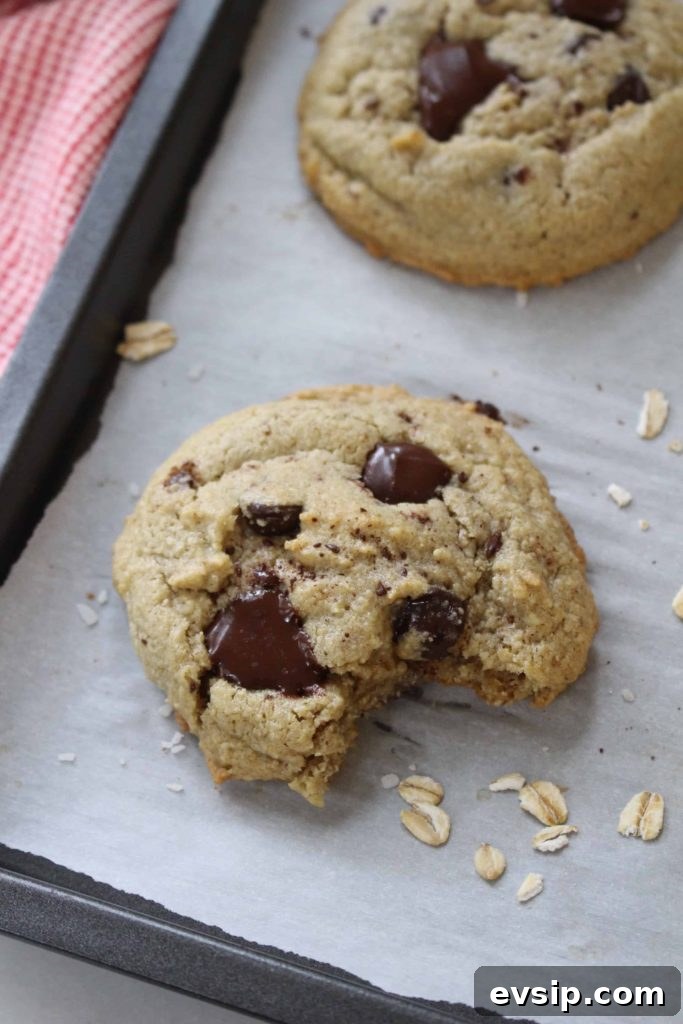
For example, I once sampled a cookie while not hungry and it didn’t appeal. Knowing I could enjoy it later prevented me from eating it just because it was there.
Not every meal will be exciting—and that’s okay
Life makes it impossible for every meal to be ideal. Start by making one meal or snack per day truly satisfying, then add more as you can and observe how your body responds.
If you never feel full after eating
A lack of satisfaction may explain persistent feelings of hunger after meals. Try focusing on building satisfying meals for a week and notice changes in cravings and mood.
If you want more personalized help, consider applying for coaching to work on making food feel and taste better for you. XO