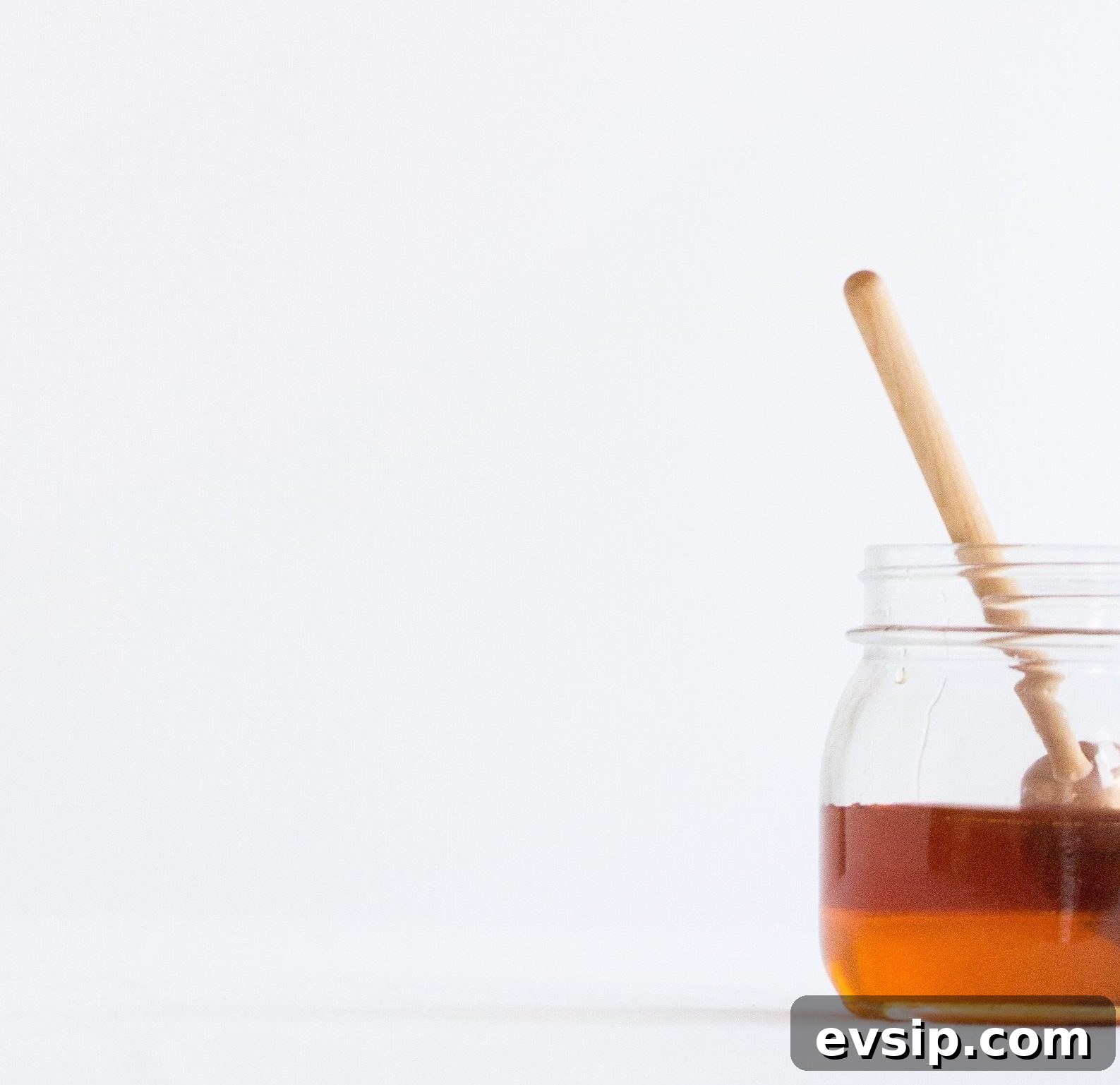
It’s sweet, delicious, and full of good stuff, but choosing the right one can be confusing!
Honey is a natural, flavorful sweetener rich in proteins, enzymes, phytonutrients and antioxidants, with antibacterial and antifungal qualities. People use it for everything from soothing skin conditions to supporting digestive health.
With so many varieties on the market, choosing the right honey can be overwhelming. Below are practical tips to help you select a high-quality jar the next time you shop. (Note: Manuka honey is a special case with unique properties and isn’t covered here.)
How to choose your honey
-
Check the ingredient list. Labels that claim “pure honey” should list only honey—no syrups, glucose, or additives.
-
Prefer glass jars. Honey stored in glass keeps its quality better than plastic containers, which can affect flavor and longevity.
-
Choose raw when possible. Many supermarket honeys are pasteurized and filtered to be clear and pourable. Heat processing destroys beneficial enzymes and reduces nutritional value, so raw honey is a better choice for those seeking intact natural properties.
-
Look for low water content. If you invert a jar and see quick-rising air bubbles, the honey may have higher moisture levels. Excess water increases the risk of fermentation and reduces shelf stability.
Final thought
Honey can be a healthier alternative to refined sugar and offers some nutritional benefits, but it is still a form of sugar. Enjoy it thoughtfully and in moderation as part of a balanced diet.