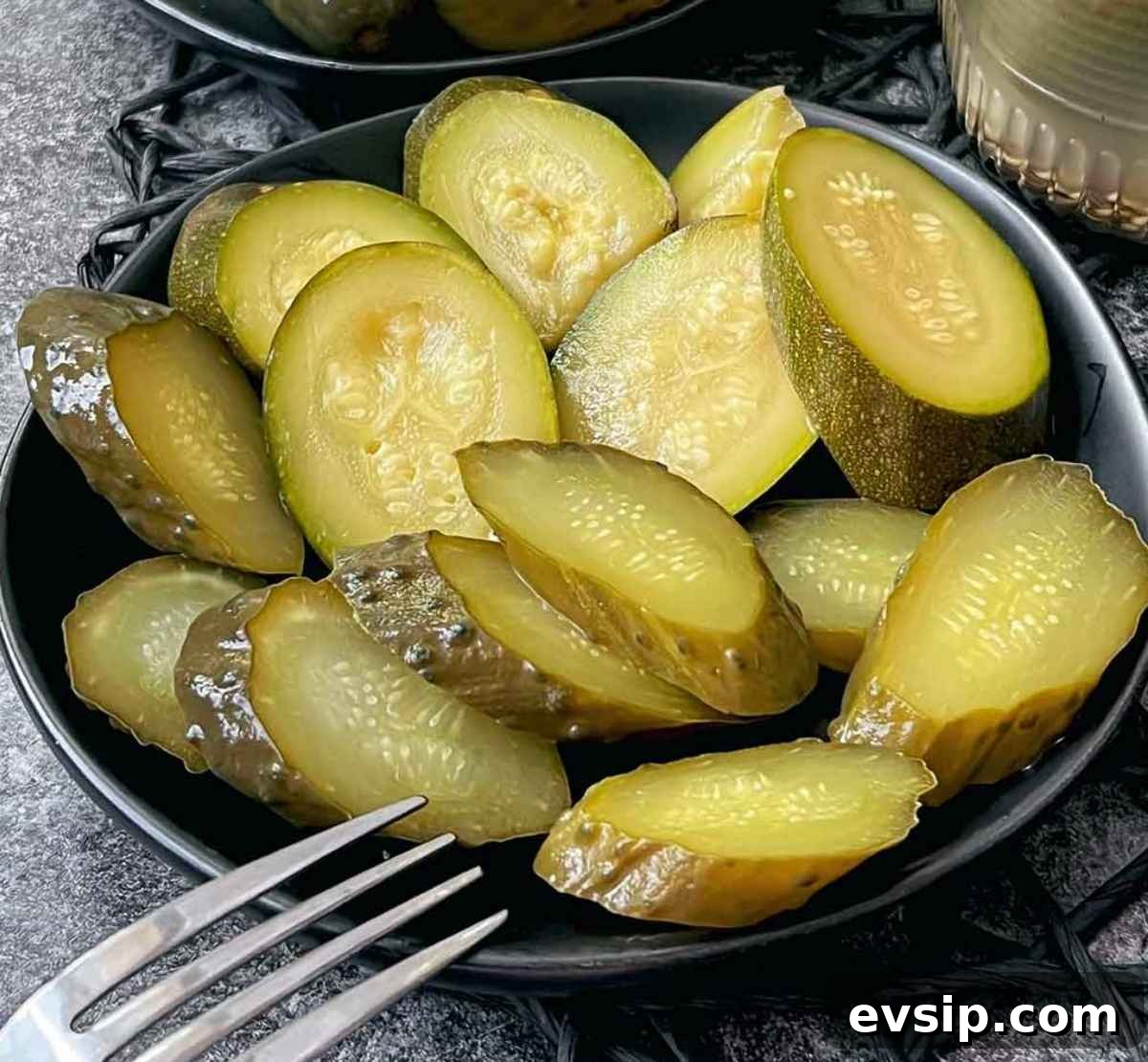
Tangy, crunchy fermented zucchini and cucumbers made at home with straightforward step-by-step instructions. Seasoned with garlic, dill, and a mix of whole spices, these pickles deliver bright flavor and a satisfying snap. Grape, oak, or bay leaves add tannins to help preserve crunch, while the properly balanced salt brine enhances the vegetables’ natural taste.
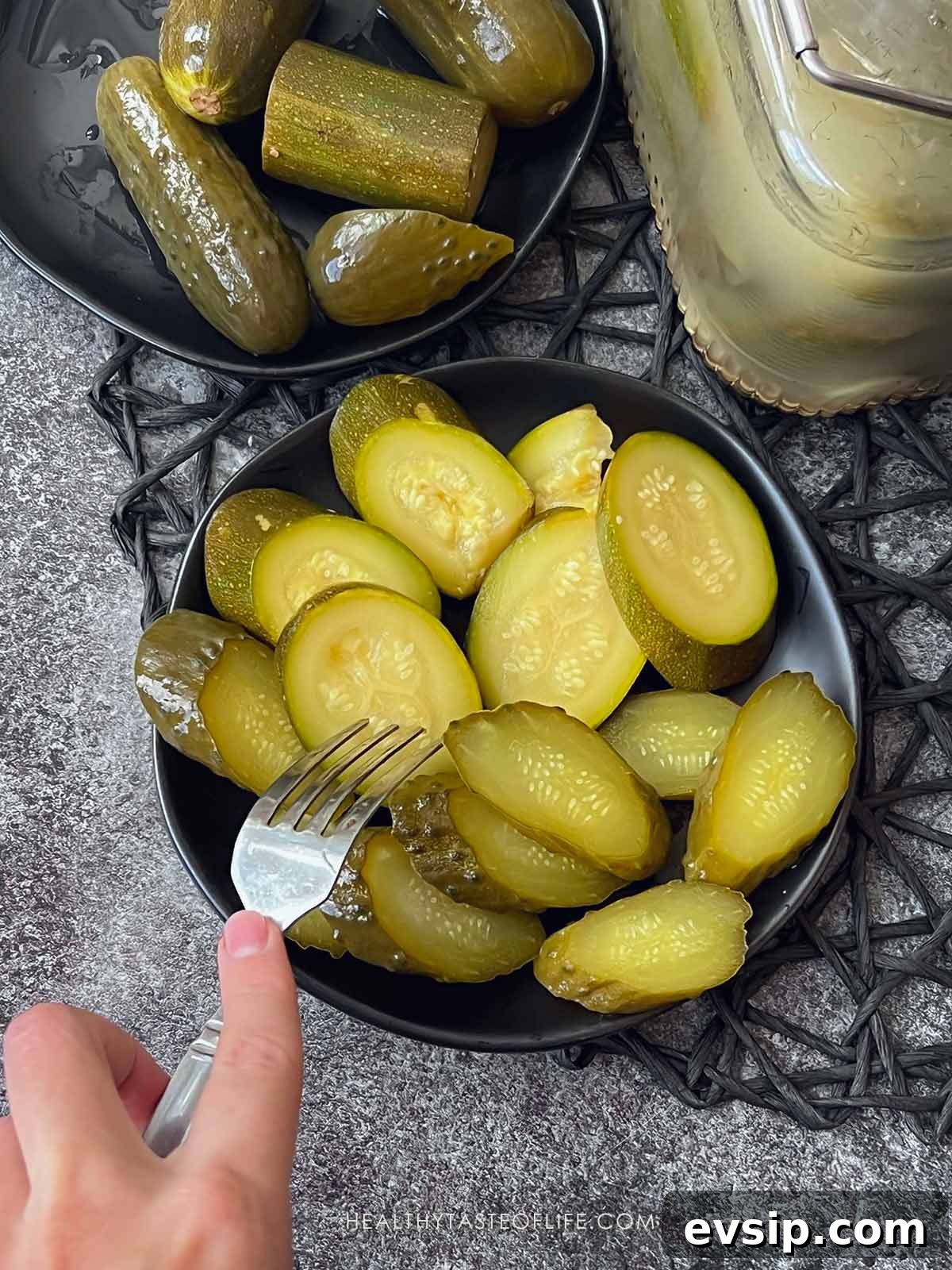
Whether you’re new to lacto-fermentation or experienced, this recipe is an easy way to add a probiotic-rich, healthy snack to your kitchen repertoire. Combining cucumbers and zucchini produces an appealing contrast in texture and flavor that keeps each bite interesting.
Enjoy these fermented vegetables on their own, sliced into sandwiches, tossed into salads, or served as a zesty side dish. The brine also makes a delicious, tangy drink when you crave something salty and sour.
Why Ferment Zucchini and Cucumbers?
Brine fermentation transforms ordinary summer vegetables into nutrient-dense, probiotic-rich foods while preserving vitamins and antioxidants. Fermented zucchini and cucumbers are an economical, sustainable way to extend the life of your harvest and reduce waste by preserving seasonal produce for months.
Making fermented vegetables at home gives you full control over ingredients, so you can avoid artificial preservatives and excessive salt commonly found in commercial pickles.
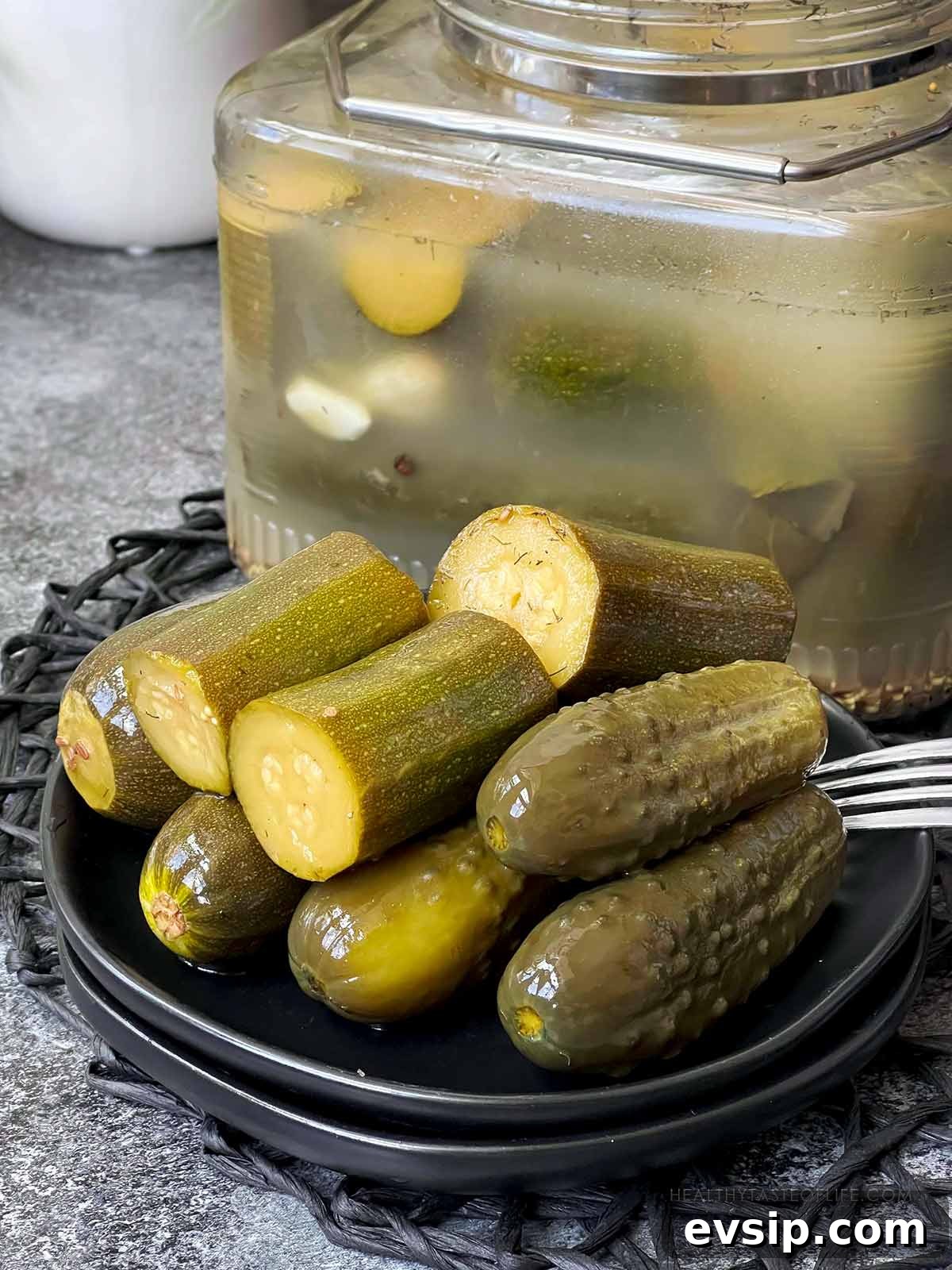
Instructions For Fermenting Zucchini and Cucumbers Together
- Wash and cut vegetables: Rinse pickling cucumbers and zucchinis thoroughly. Cut zucchinis to match the size of the cucumbers so all pieces ferment evenly.
- Prepare brine: Dissolve 45 grams of sea salt in 1,500 ml of filtered water.
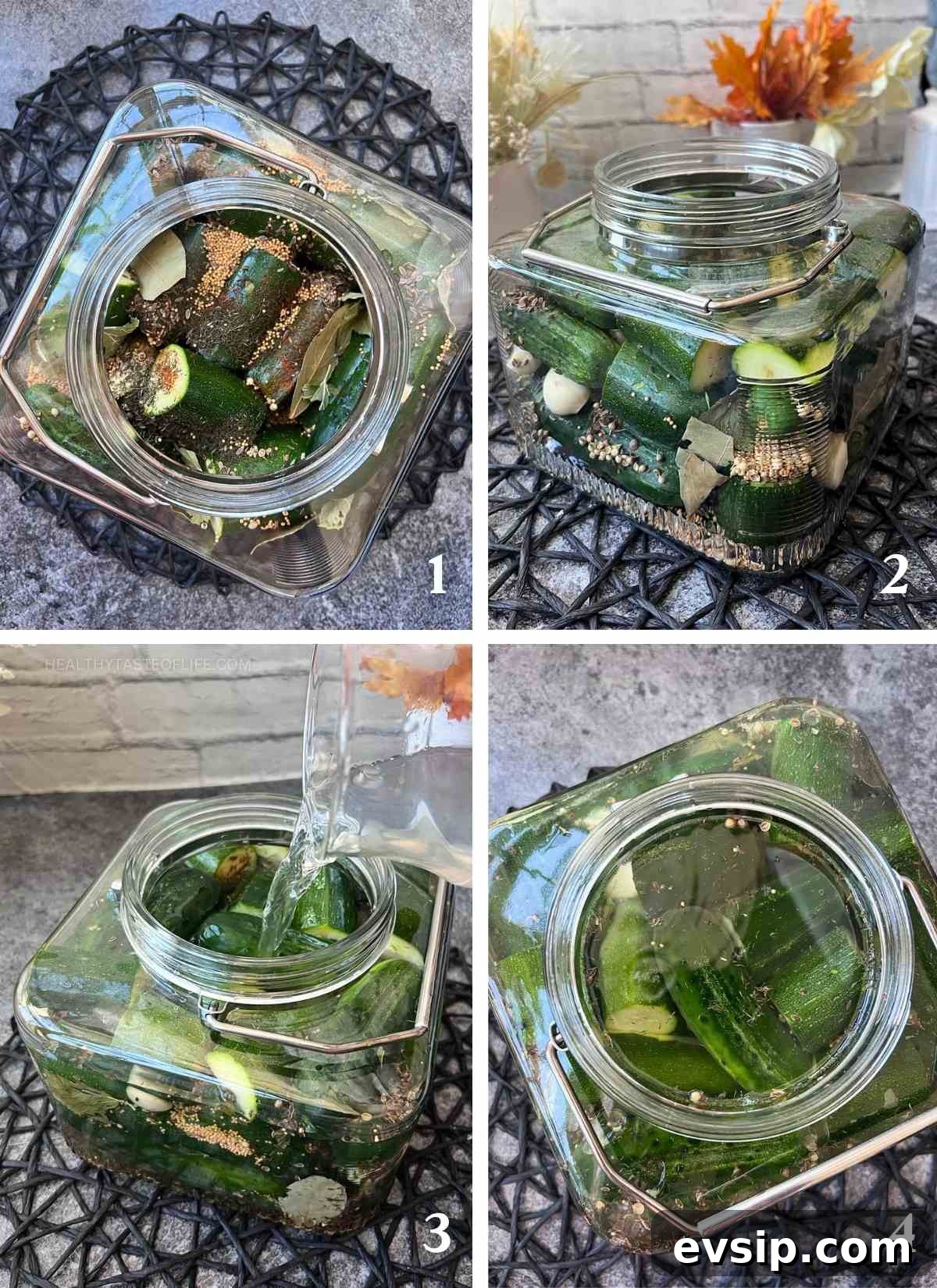
- Pack the jar: Layer cucumbers, zucchini, garlic, and tannin-rich leaves (grape, oak, cherry, currant, or bay) in a clean 1-gallon jar to help retain crunch.
- Add spices: Scatter dill seeds, peppercorns, mustard seeds, coriander seeds, dry dill weed, and a pinch of cayenne if you like heat.
- Pour brine: Cover the vegetables completely with the brine and use a weight or small plate to keep them submerged.
- Ferment: Cover the jar loosely so gases can escape and place it in a cool, dark spot (about 65–75°F / 18–24°C). Ferment 5–7 days, tasting from day 5 until the acidity and texture match your preference.
- Store: When the flavor is right, seal the jar with a lid and transfer to the refrigerator. Properly refrigerated, these ferments keep for several months and continue to develop flavor slowly.
See the printable recipe card below for ingredient amounts and a full, detailed recipe.
FAQs
Zucchinis develop a slightly different texture and milder flavor. Both vegetables absorb the tangy brine and spices, but zucchinis tend to be a touch softer and subtly sweeter than cucumbers, which remain crisper. Together they provide a pleasant variety of textures and flavors.
Softness can result from a weak brine, too few tannin-rich leaves, over-fermentation, or starting with older or bruised vegetables. Use the recommended salt concentration, include grape/oak/bay leaves for tannins, keep fermentation temperatures cool, and check the ferment regularly.
They’re ready when the brine has developed a pleasantly sour, tangy flavor and the vegetables are still relatively firm but slightly softened from raw. Taste from day 5 onward to determine your preferred level of fermentation. Cloudy brine and a pleasant, vinegar-like aroma indicate healthy fermentation.
Add extra tannin-rich leaves (grape, oak, bay) to the jar, ferment in a cooler spot, and use the freshest, firmest vegetables available. Proper salt ratio and keeping the vegetables submerged will also help maintain crunch.
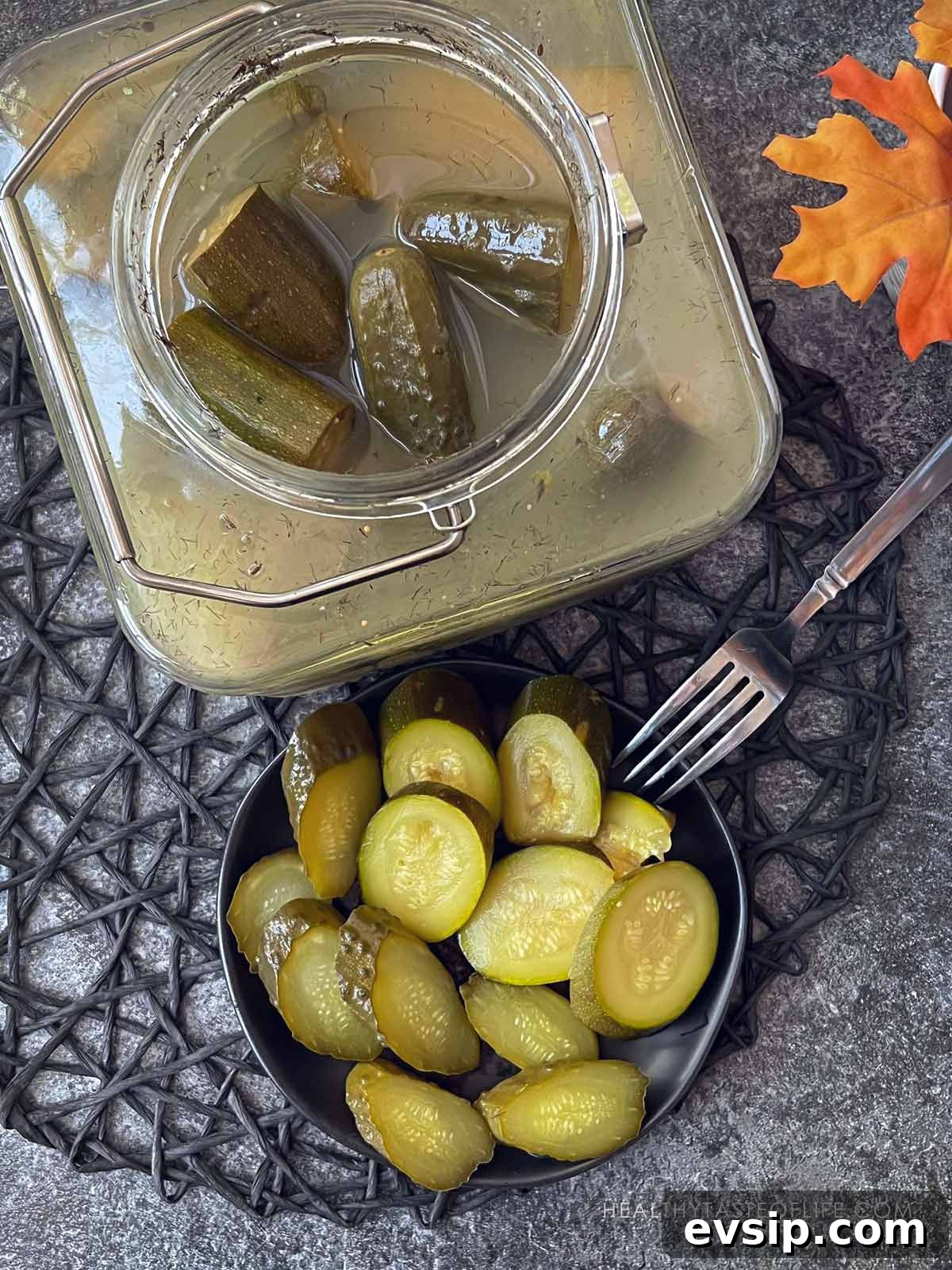
Note: some links in the original source may be affiliate links; the recipe itself does not require any special purchases beyond basic jars and ingredients.
If you try this recipe, please share your experience in the comments below — feedback helps other cooks and improves the recipe.
More Fermented Recipes
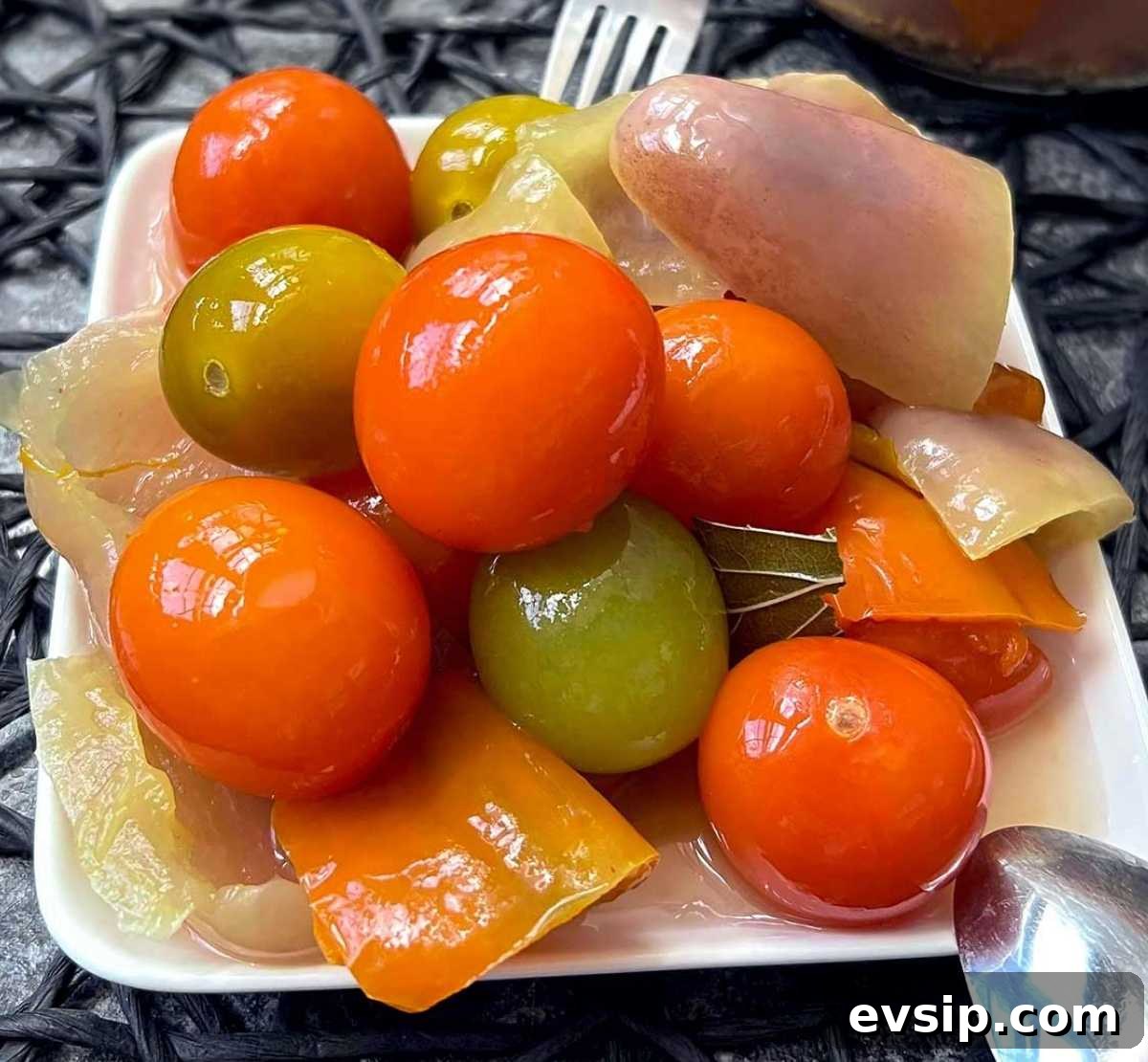
Fermented Peppers And Tomatoes (How-to Guide)
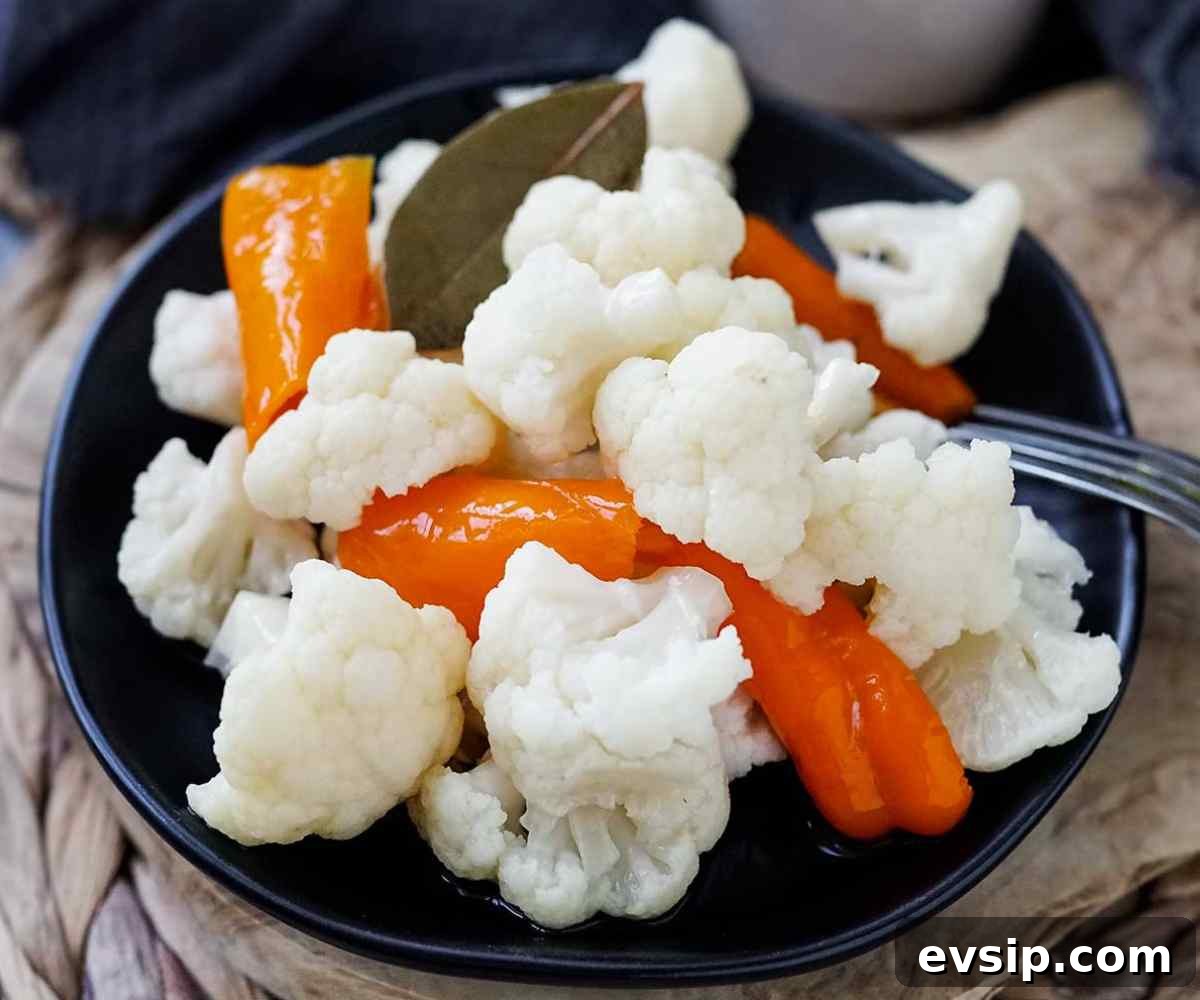
Lacto-Fermented Cauliflower: Tangy, Flavorful, Probiotic-Rich
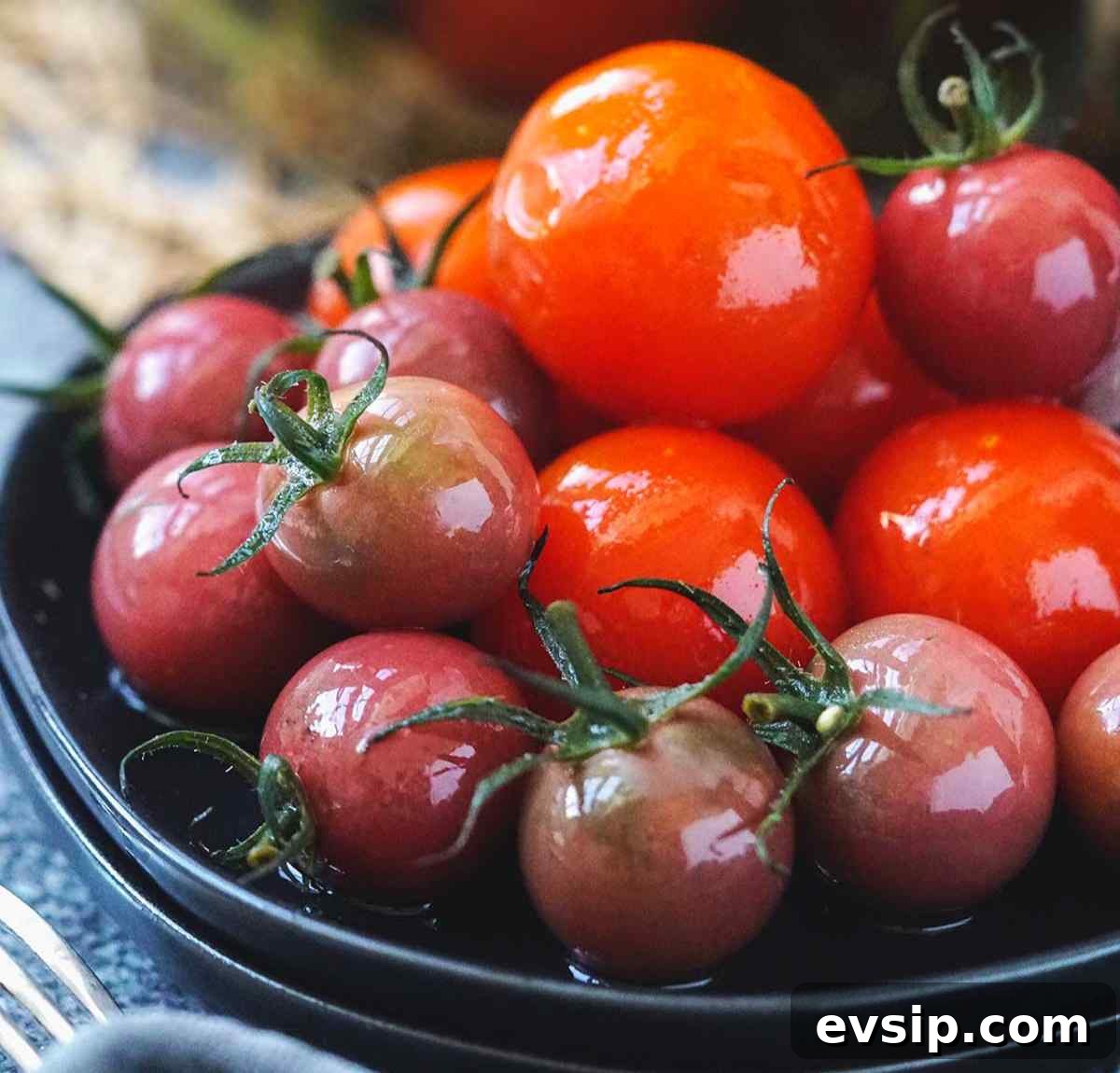
Fermented Tomatoes Guide: A Healthy Way To Preserve Tomatoes
Fermented Watermelon Recipe (Vs Pickling)
Printable Recipe
Print Recipe
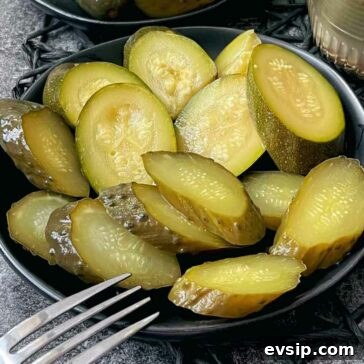
Fermented Cucumbers and Zucchini
Ingredients
- 2–2.5 lb pickling cucumbers (~12–14 cucumbers, 5–6″ size)
- 1–2 lb zucchinis (about 5, ~7″ long)
- 15 garlic cloves
- 6–7 grape, oak, cherry, currant or bay leaves (for tannins)
Spices
- 1.5 tbsp dill seeds (whole)
- 1 tbsp black peppercorns (whole)
- 1 tbsp mustard seeds (whole)
- 1/2 tbsp coriander seeds (whole)
- 1/2 tbsp dry dill weed
- 1/4 tsp cayenne pepper (optional)
Brine
- 1500 ml filtered water (~6.35 cups)
- 45 grams Celtic sea salt (~2.5–2.8 tbsp)
Instructions
Prepare the Vegetables
Wash cucumbers and zucchinis. Trim or cut zucchinis to match the cucumbers’ size for uniform fermentation.
Prepare the Brine
Mix 1,500 ml filtered water with 45 g sea salt until fully dissolved.
Pack the Vegetables
Layer cucumbers and zucchini in a clean 1-gallon jar. Tuck in garlic cloves and the tannin-rich leaves as you pack the jar.
Add the Spices
Sprinkle dill seeds, peppercorns, mustard seeds, coriander, dry dill, and cayenne (if using) over the vegetables.
Add the Brine
Pour brine over the vegetables so they are fully submerged. Use a weight or plate to keep everything under the liquid.
Fermentation Process
Cover the jar loosely to allow gases to escape. Store in a cool, dark place (65–75°F / 18–24°C) for 5–7 days. Check daily and taste from day 5 to find your preferred tang.
Final Steps
When the flavor is right, seal the jar and refrigerate. The ferments will keep for several months and will continue to mellow and develop flavor.
What You Need
1-gallon wide-mouth glass jar (or similar fermentation vessel) and a weight to keep vegetables submerged.
Notes
Note: If cutting zucchinis or other vegetables, make sure pieces are the same size as the cucumbers so fermentation is even.
Nutrition
Serving: 90 g • Calories: 16 kcal • Carbohydrates: 3 g • Sodium: 300 mg • Fiber: 0.9 g • Vitamin A: 180 IU • Vitamin C: 3 mg • Calcium: 15 mg • Iron: 0.25 mg
Nutrition values are estimates provided by a nutrition calculator.
Course: Side Dish • Cuisine: All
Gluten Free Dairy Free Cookbook
284 pages: 128 gluten-free and dairy-free recipes with high-quality photos, including paleo, Whole30, and vegan options—no refined sugar or highly processed ingredients.