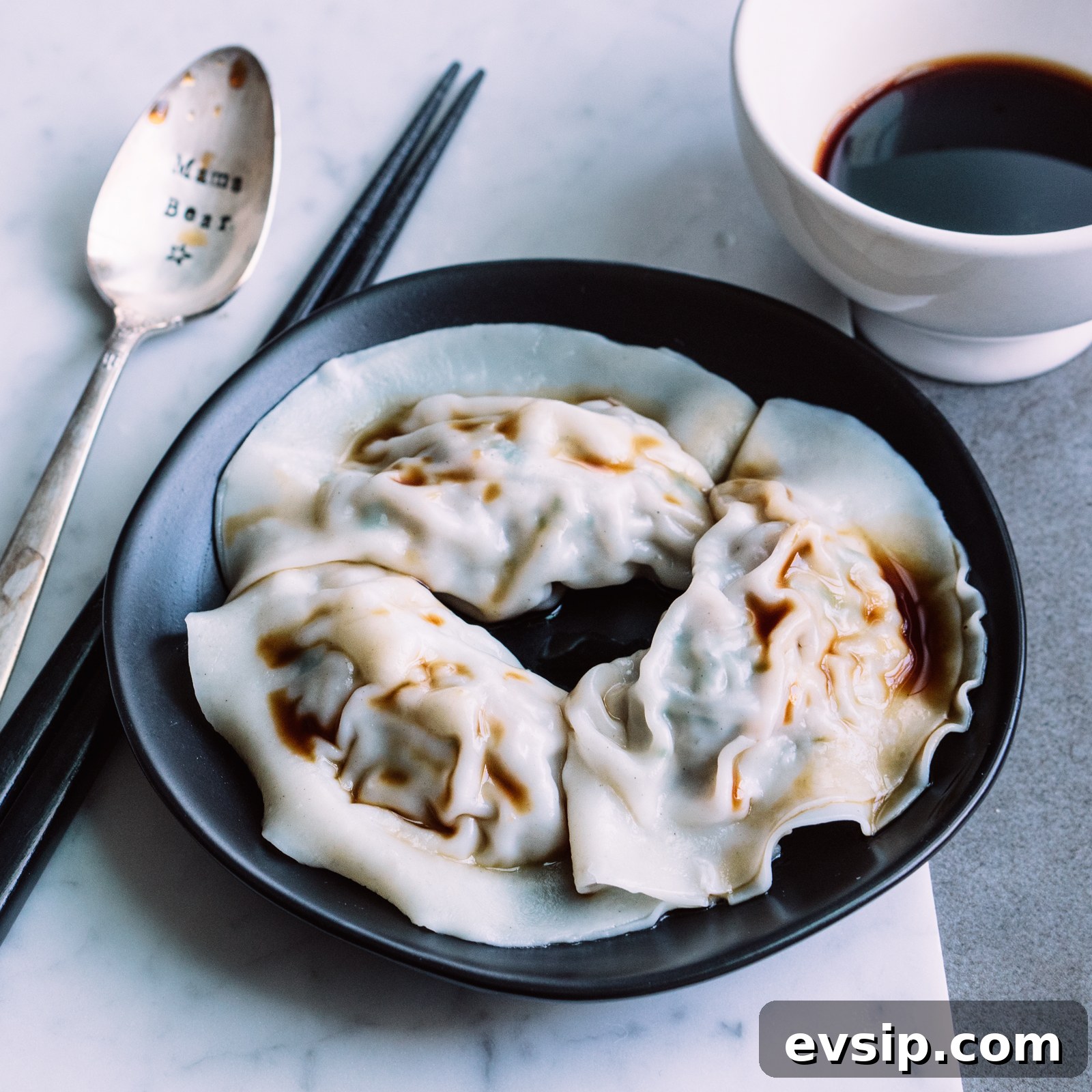
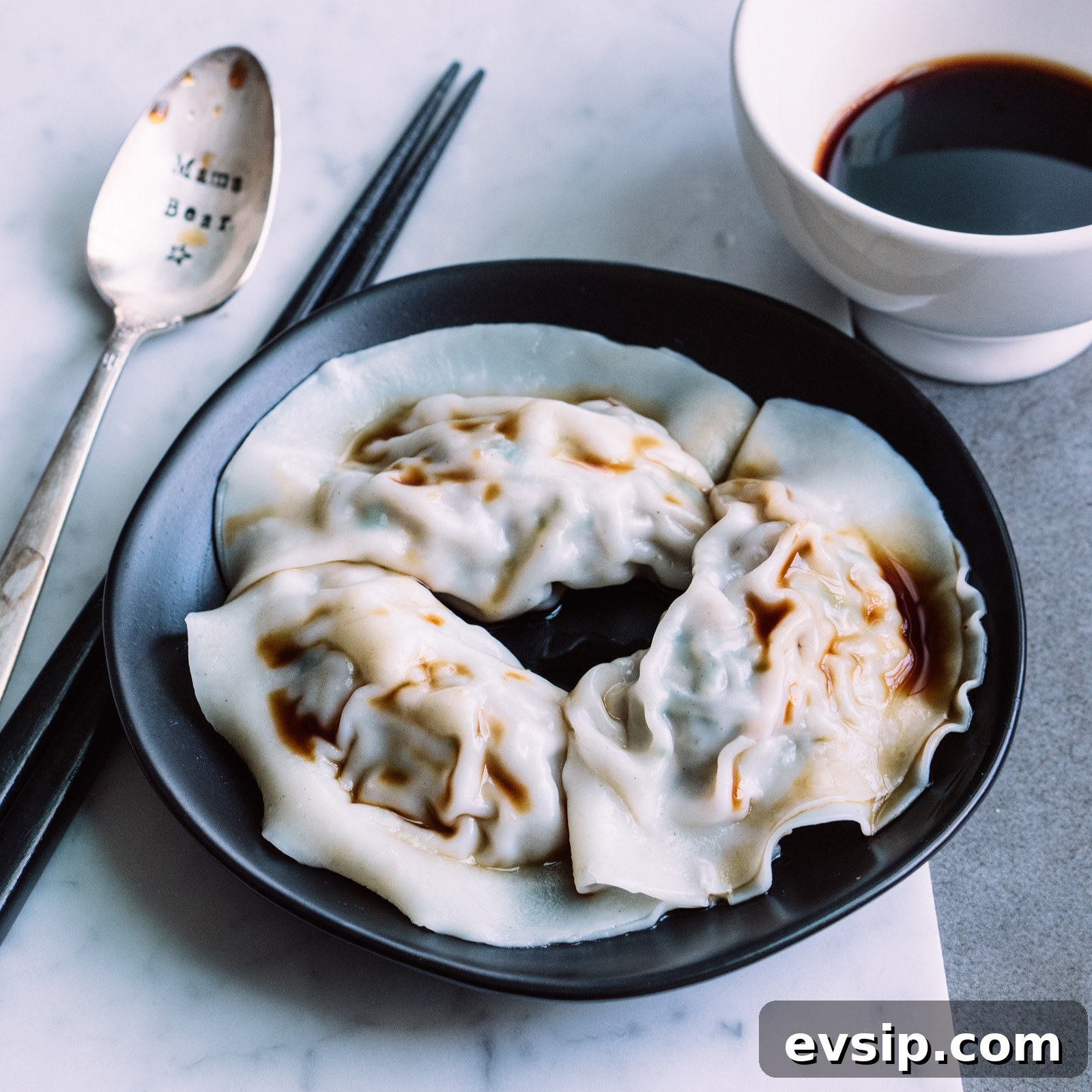
My partner and I are not the sort of people who put up a Christmas tree, cook a big Thanksgiving meal, or throw birthday parties. Still, we agree that breaking from our usual habits is the right choice for our daughter. That gave us the freedom to pick and shape family traditions we actually want to keep.
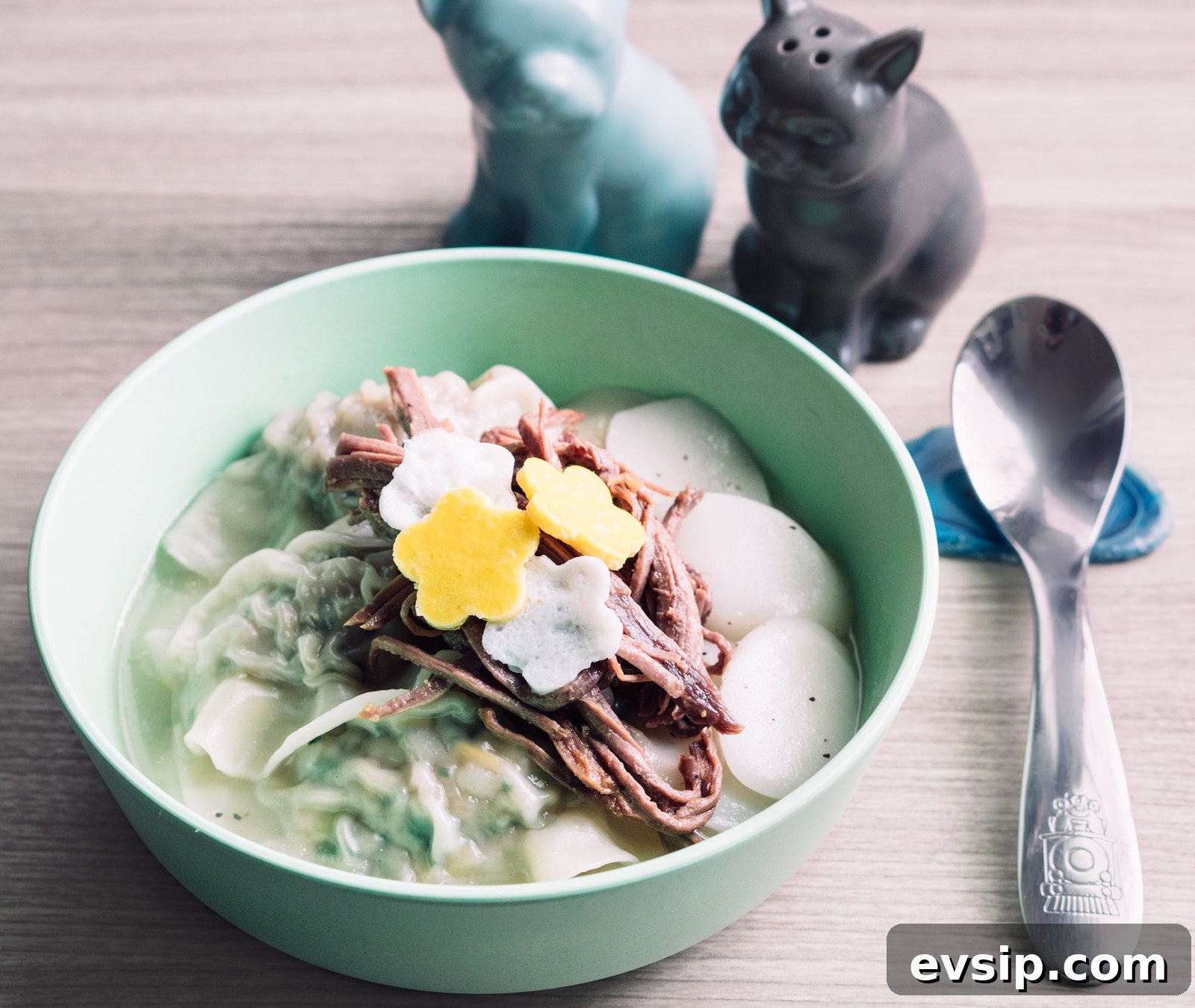
I chose to introduce a Korean New Year custom: eating tteokguk (rice cake soup). To make the day more memorable, I decided we should also make mandu (dumplings) together and serve dduk-mandu-guk—the rice cake and dumpling soup—so the whole family could help with the process.
I have warm memories of making dumplings with my grandmother, sitting cross-legged on the floor in the traditional way. I can still see her rolling the dough and turning leftover dough into thin, hand-cut noodles. That leftover noodle-making was my favorite part. Back then I didn’t pay close attention to recipes or traditions; I assumed those things belonged to the past and would fade away. Now, those memories matter because they’re moments shared with people I love. Time isn’t infinite, and these small rituals keep those connections alive.
Lessons from Making Dumplings
I don’t claim to be a dumpling expert, but after testing three different fillings and making a lot of dumplings, I learned a few useful lessons.
- Making dumplings is more enjoyable when many people gather around a table to shape them and chat. It becomes a social activity as much as a cooking task.
- My grandmother was from Seoul, and Seoul-style food tends to be lighter and milder than dishes from other regions of Korea. I tried to reproduce that gentle, home-style flavor.
- I experimented with three fillings. The first was pork-heavy with bold seasoning; I found that too strong. The second reduced the pork and seasoning and added bean sprouts for a cleaner, more familiar homemade taste.
- I also made a tofu-based filling for occasions when a child or someone prefers a milder, safer-to-eat-raw option. Tofu needs stronger seasoning—use more soy sauce and go easy on salt to keep it balanced.
- I added raw egg yolks to one batch and found they cooked into a loose texture inside the dumpling, causing the filling to shift inside the wrap. I prefer fillings without yolks; the starch from vermicelli is sufficient to bind ingredients together.
- I compared Korean chives and American chives. Korean chives are more pungent and garlicky, while American chives are milder. For the type of dumplings I like, the milder chives work better.
That sums up our new family tradition: simple, hands-on, and centered on shared time in the kitchen.
Korean Dumplings
Light, refreshing Korean-style dumplings that are ideal for family gatherings.
Ingredients
-
1.5
lb
ground pork
80% lean -
2
oz
chives
minced -
2
cups
cooked vermicelli
chopped to 1 inch length -
8
oz
bean sprouts
chopped to 1/2 inch length -
3
white part of large green onion
minced -
2
tbsp
garlic
minced -
3
tbsp
soy sauce -
2
tbsp
sesame oil -
1/2
tsp
salt -
1/3
tsp
pepper -
2
tbsp
water -
2
packages
dumpling wrappers
Instructions
-
Combine all filling ingredients except the wrappers. Mix thoroughly so the vermicelli and bean sprouts distribute evenly.
-
Moisten the edge of a wrapper with water. Place about one tablespoon of filling in the center. Fold the wrapper over and press the edges to seal tightly, making sure there are no gaps between the filling and the sealed edge.
-
For boiled dumplings: bring a large pot of water to a boil and add the dumplings. Once they float, add one cup of cold water. When they float again, remove them with a strainer and serve with a dipping sauce of soy sauce and vinegar (2:1).