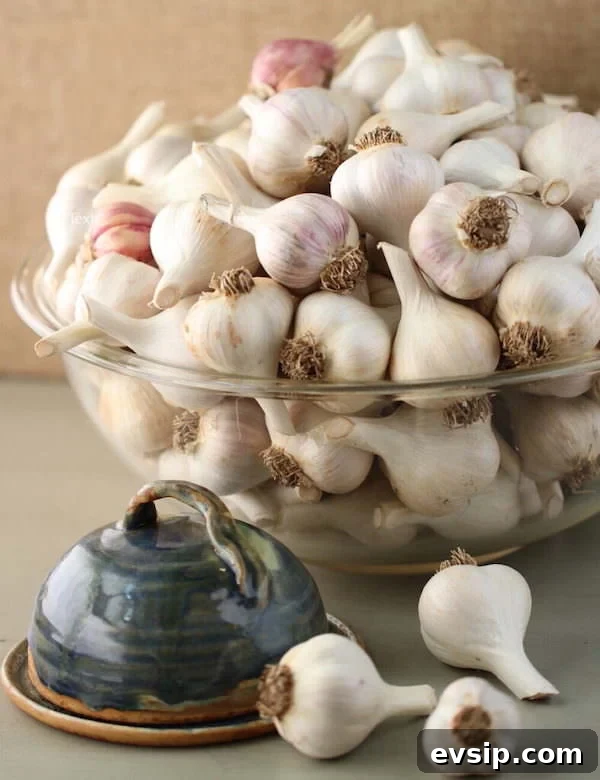
Garlic planting day is one of my favorite days of the year. I love our homegrown hardneck garlic — it’s juicier, sweeter, and more flavorful than store-bought. Today my husband Jamie planted our crop and I captured the process on video. Between the video and the text below, this post explains Jamie’s simple five-step method for planting garlic in the fall.
My motto: you can never have too much garlic. If a recipe calls for it, I generously add four or five large cloves. No one has complained about the aroma — which is lucky for us.
Garlic’s flavor is warm, spicy, and earthy, and when cooked it becomes sweet. It also offers a range of health benefits.
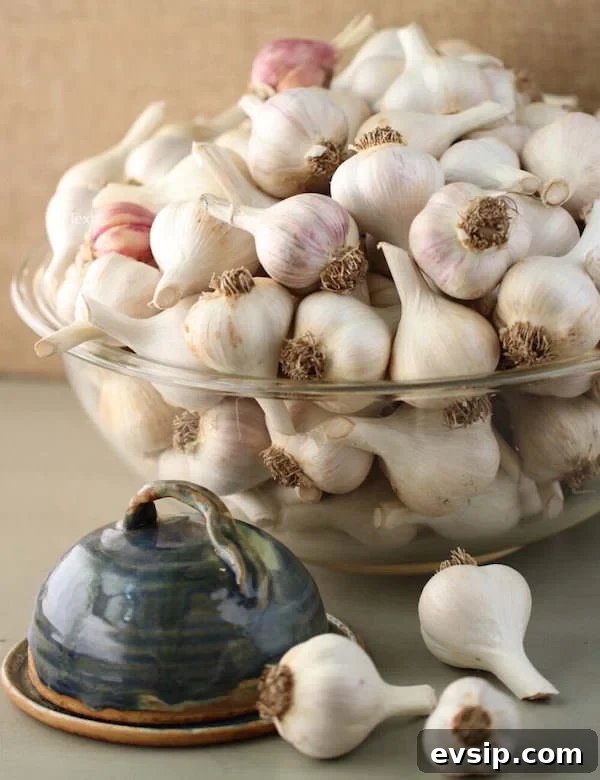
Substantial studies have shown that garlic and its bioactive constituents exhibit antioxidant, anti-inflammatory, antibacterial, antifungal, immunomodulatory, cardiovascular protective, anticancer, hepatoprotective, digestive system protective, anti-diabetic, anti-obesity, neuroprotective, and renal protective properties.
Shang A, Cao SY, Xu XY, Gan RY, Tang GY, Corke H, Mavumengwana V, Li HB. Bioactive Compounds and Biological Functions of Garlic (Allium sativum L.). Foods. 2019 Jul
Growing Organic Garlic
Garlic is easy to grow and doesn’t require much space. Pests rarely bother it, so it’s well-suited to organic gardening. A warning: once you start growing your own, you’ll likely prefer it to store-bought garlic.
Hardneck vs Softneck Varieties
We’ve had success with both hardneck and softneck garlic in our USDA zone 6a, but we prefer hardneck varieties for several reasons.
Hardneck Varieties
- Better adapted to cold climates
- Produce a single row of large cloves that are easier to peel and chop
- Often deliver stronger flavor with less sharpness
- Send up garlic scapes early in the season, which are delicious and useful
Softneck garlic can store longer, but our hardneck bulbs store well enough. We harvest a large crop each summer and keep it in our cool crawl space through the following spring. We get garlic scapes in late May or early June, and our next full crop is ready by early July. We only need to buy garlic for a short time each year.
Where to Buy Garlic for Planting
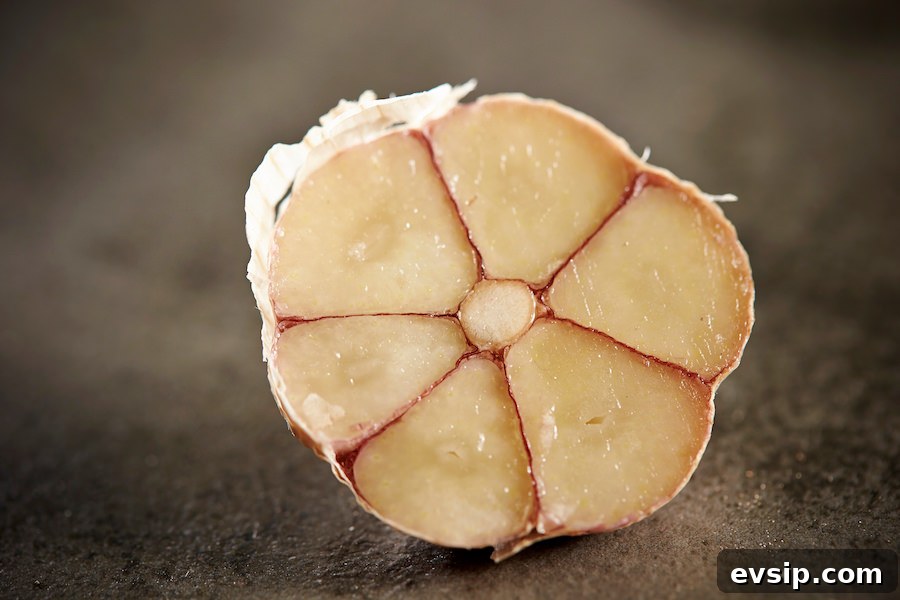
We source starter bulbs from local growers or at garlic festivals. If those options aren’t available, you can order online, but local stock is usually more economical and better acclimated to your climate. If you grow and store enough garlic, you can save bulbs to plant the next season — though we rarely have extras because we use so much.
You can plant organic supermarket garlic if needed, but avoid conventionally treated bulbs that are inhibited from sprouting. Look for bulbs suited to your growing zone for the best results.
When to Plant Garlic
Fall is the ideal time for planting garlic. Plant cloves in well-drained beds after the first frost and when the soil is cool. You can plant in late winter after the soil thaws, but fall-planted garlic generally produces larger, better bulbs. In zone 6a we usually plant in mid-October.
5-Step Process for Planting Garlic in the Fall
Below is Jamie’s reliable five-step method. He plants roughly 300 cloves in nine rows that are 15–20 feet long. The whole job takes about four hours.
Bulb refers to the whole head of garlic. Clove refers to an individual “toe.”
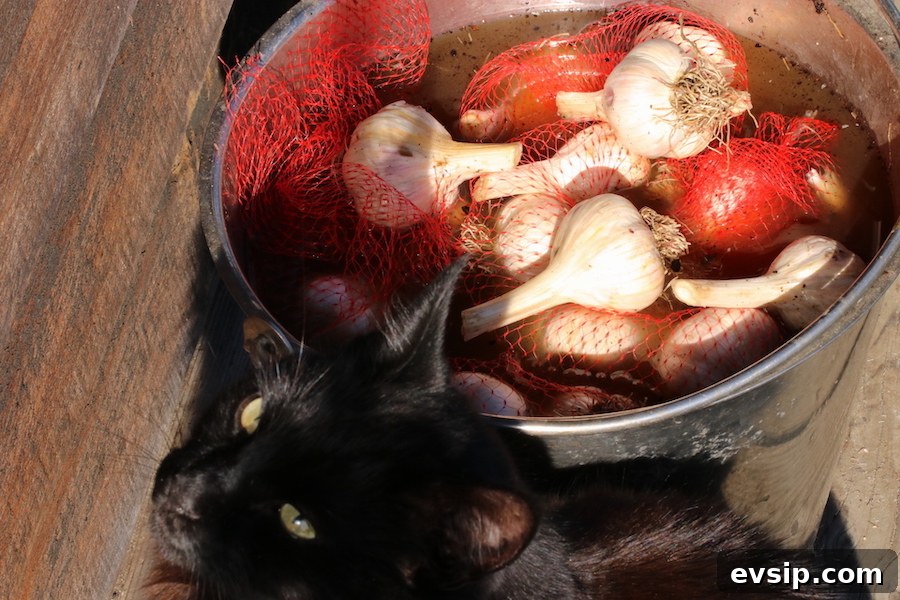
1. Soak the Bulbs
Soaking is optional but recommended. Jamie soaks the bulbs for about 30 minutes in a homemade solution that he also uses for watering after planting. Mix:
- 2 gallons of water
- 2+ capfuls of fish emulsion (or liquid kelp)
- 2 tablespoons baking soda
Use all-natural, chemical-free products when possible. This soak adds nutrients and helps sanitize the cloves.
2. Prepare the Rows
Lightly till or turn the soil where you’ll plant. Jamie uses a string between posts to keep rows straight and marks each row to record varieties. Use a spade to create troughs about 4″ deep and space rows 12″–18″ apart. After digging, sprinkle crushed organic eggshells for calcium and add organic bone meal for phosphorus.
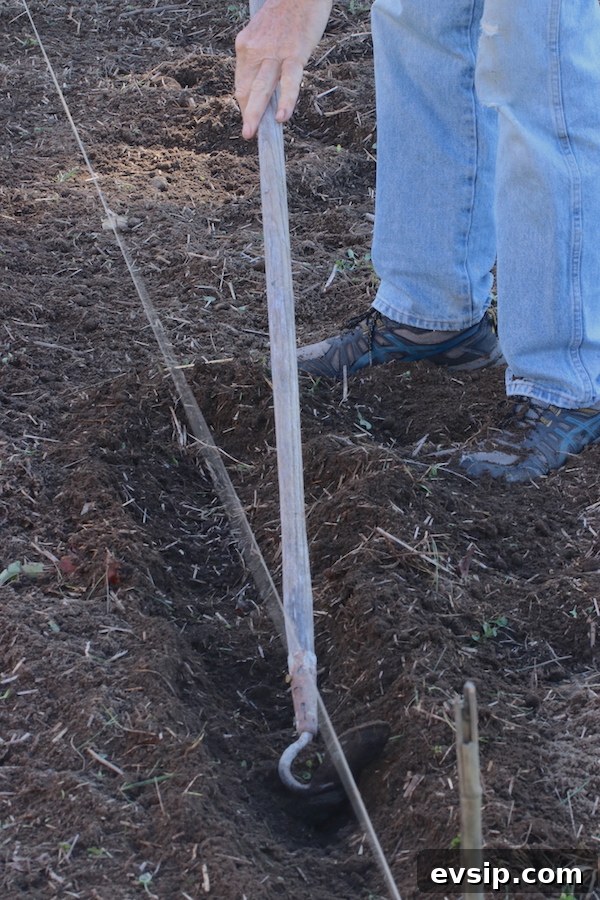
Make troughs 4″ deep
Space rows about 12″–18″ apart
Soil tips:
- Ensure good drainage to prevent root rot.
- Healthy, fertile soil grows nutritious garlic; if unsure, have your soil tested and amend as needed.
- We add kitchen compost, occasional aged manure, chopped leaves, or commercial organic amendments to maintain fertility and structure.
3. Plant the Garlic Cloves
Separate cloves as you go and plant each one pointy end up, about 4″ deep and roughly 6″ apart. Each clove will grow into a full head of garlic.
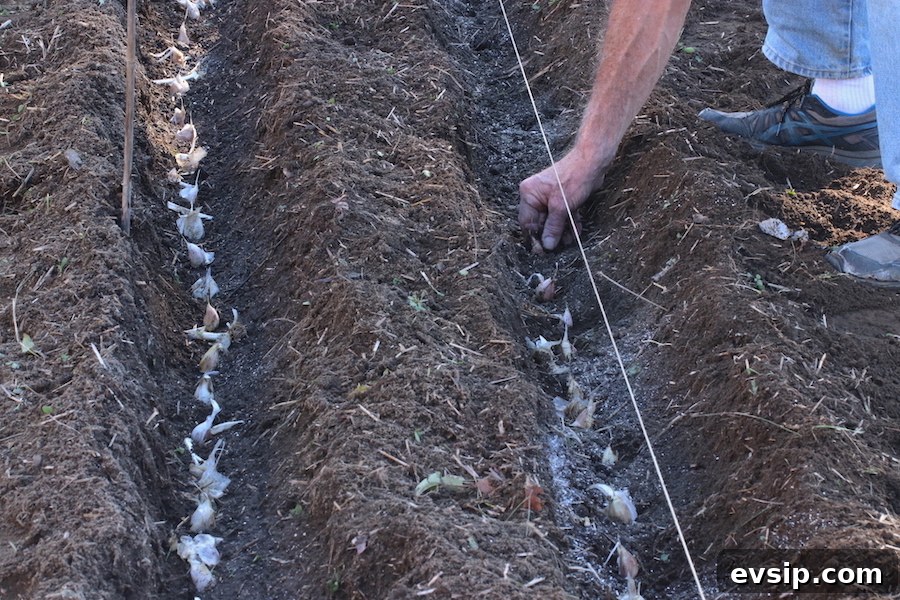
4. Water the Rows
Before covering the trenches, water the planted cloves with the soak solution. Prepare additional mixture if necessary. This gives the young roots a nutrient boost.
5. Cover the Rows
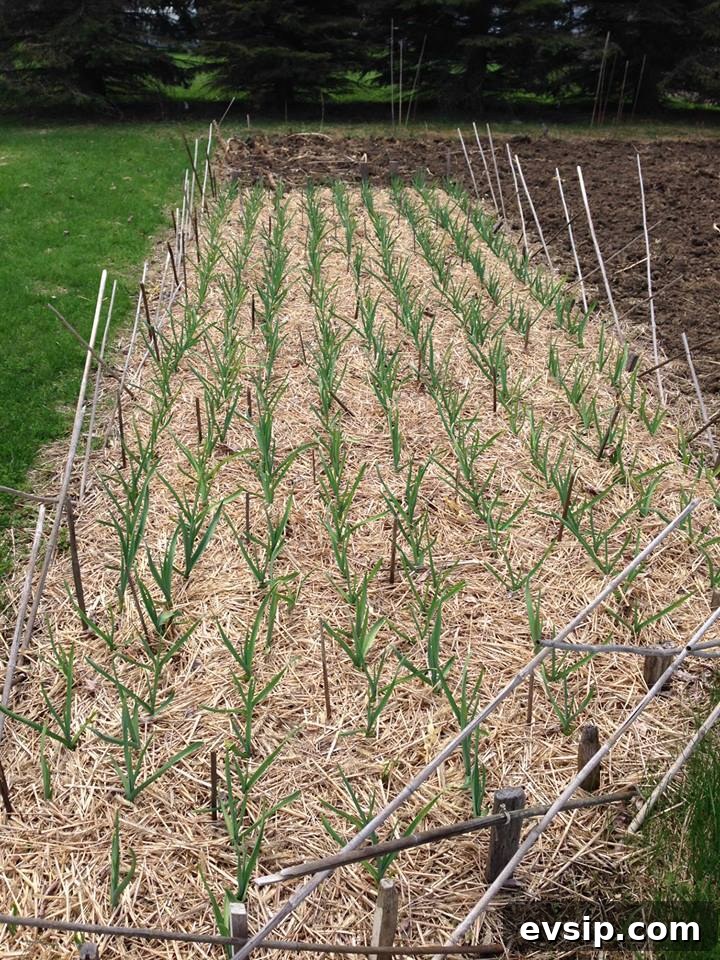
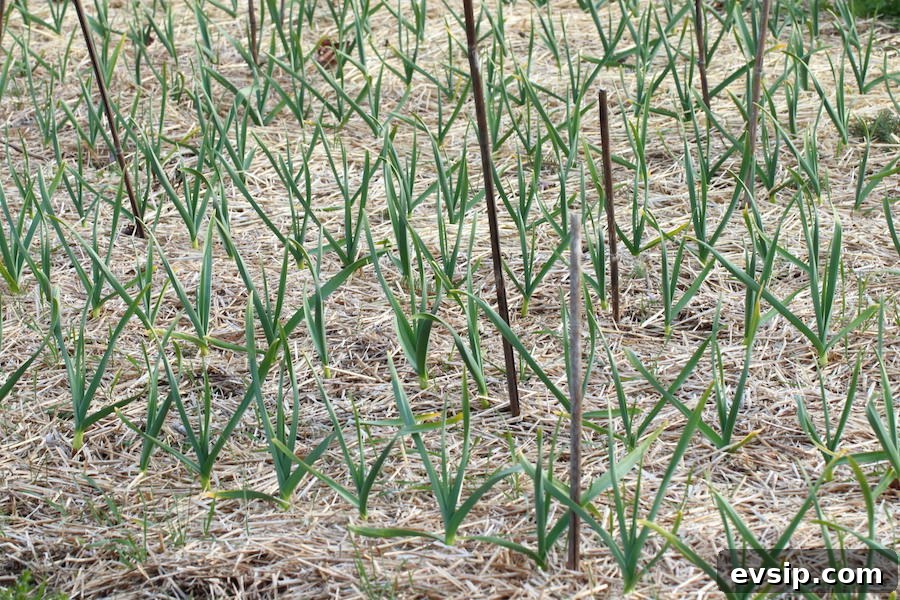
Use the back of a rake to cover the rows with soil, then spread a thick layer of straw over the bed. Straw insulates the cloves over winter, suppresses spring weeds, helps retain moisture, and breaks down into organic matter.
So now you know how to plant garlic in the fall!
Here’s a video of the process.
Harvesting, Curing, and Storage
Harvest when the stalks begin to wither and dry; at that point bulbs are finished growing. Gently lift the bulbs, keeping stems and roots intact. Garlic must be cured after harvest.
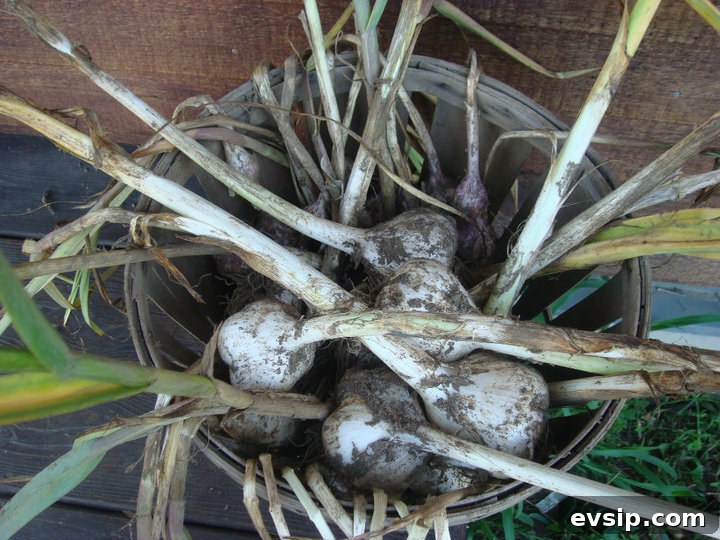
Curing takes 3–4 weeks in a dry, dark, well-ventilated location. Methods include laying bulbs in a single layer on a raised screen, placing bulbs in a basket bulb-side down, or tying bundles and hanging them bulb-side down. Curing concentrates the bulb’s flavor and improves storage life.
After curing, trim roots and cut tops, then store bulbs in a cool, dry, dark, well-ventilated place. A cool crawl space or root cellar works well.
Elephant garlic is actually more closely related to leeks. It resembles garlic but has a much milder flavor.
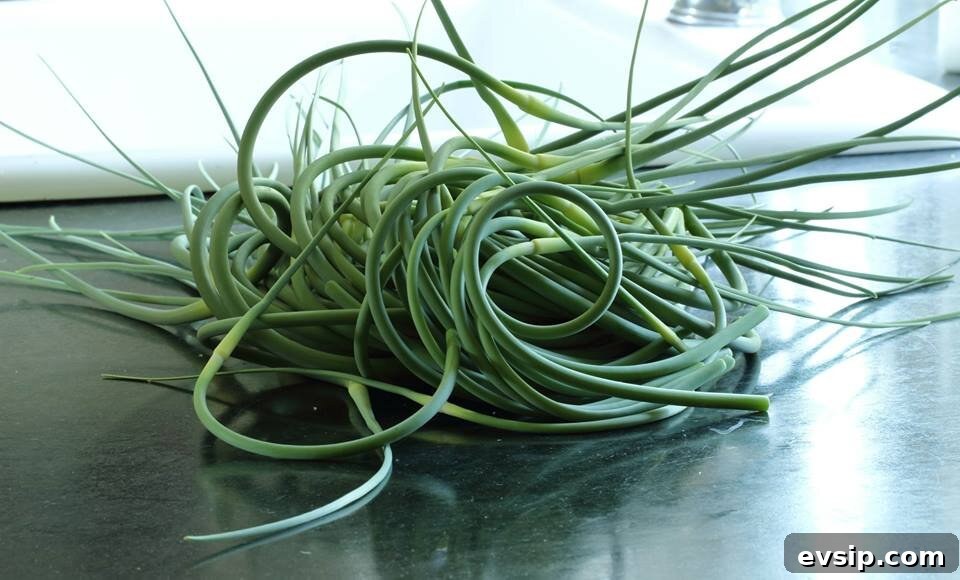
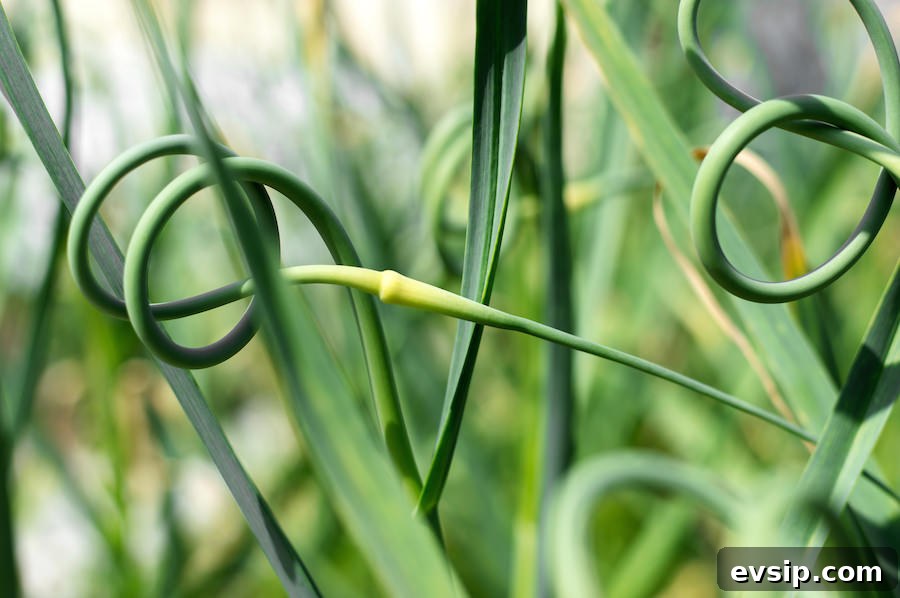
Hardneck garlic sends up a thick central stalk called a scape in late spring. If left, it forms a flower and seed. We cut the scapes to direct energy into bulb development. Scapes are tasty — great for pesto, grilling, soups, and stir-fries.
If you enjoyed this post, you might also like my piece on what to do with garlic scapes. Feel free to leave a comment or question below.