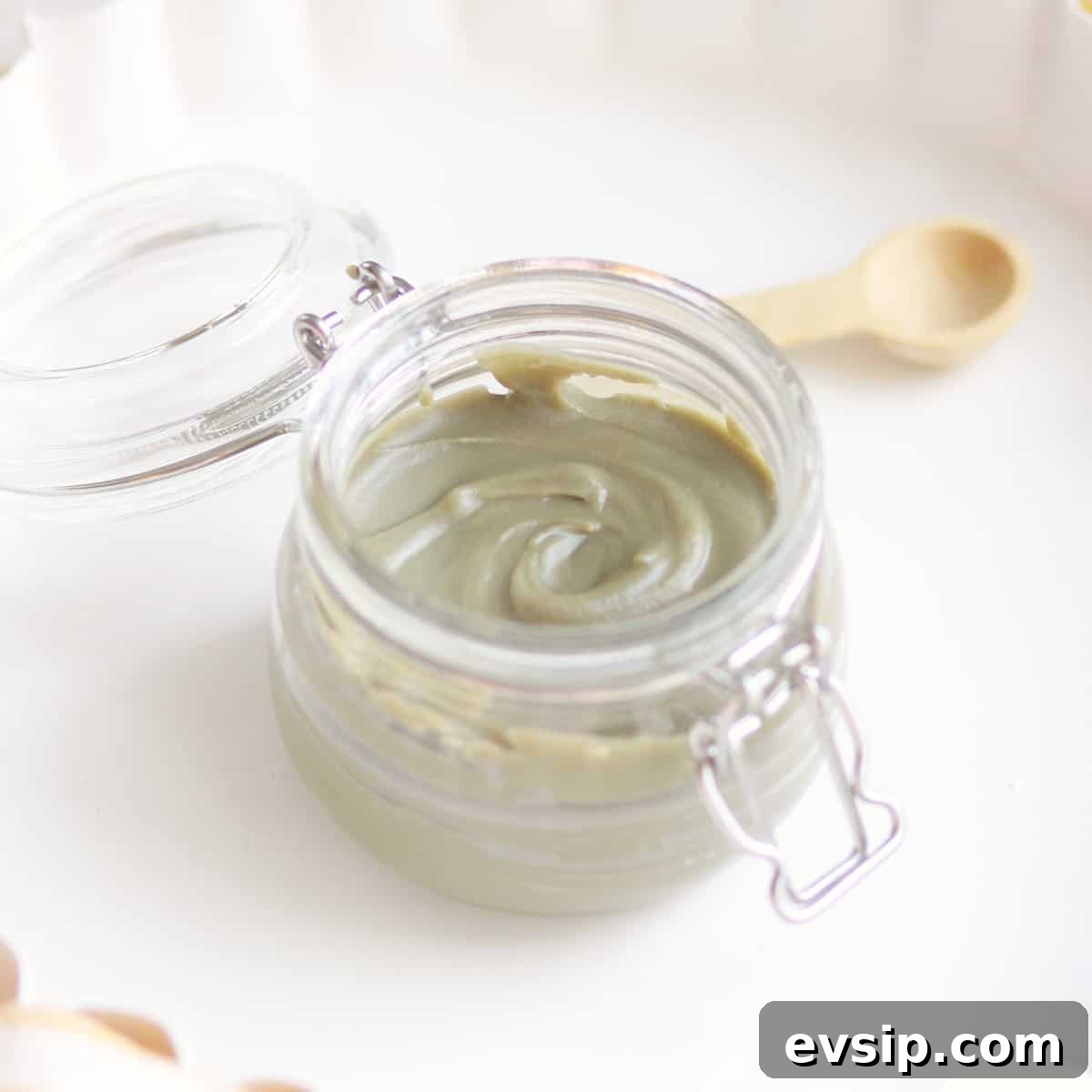
How to make a simple, natural homemade anti-itch cream to relieve bug bites. This recipe uses baking soda and bentonite clay to calm itching and support healing.
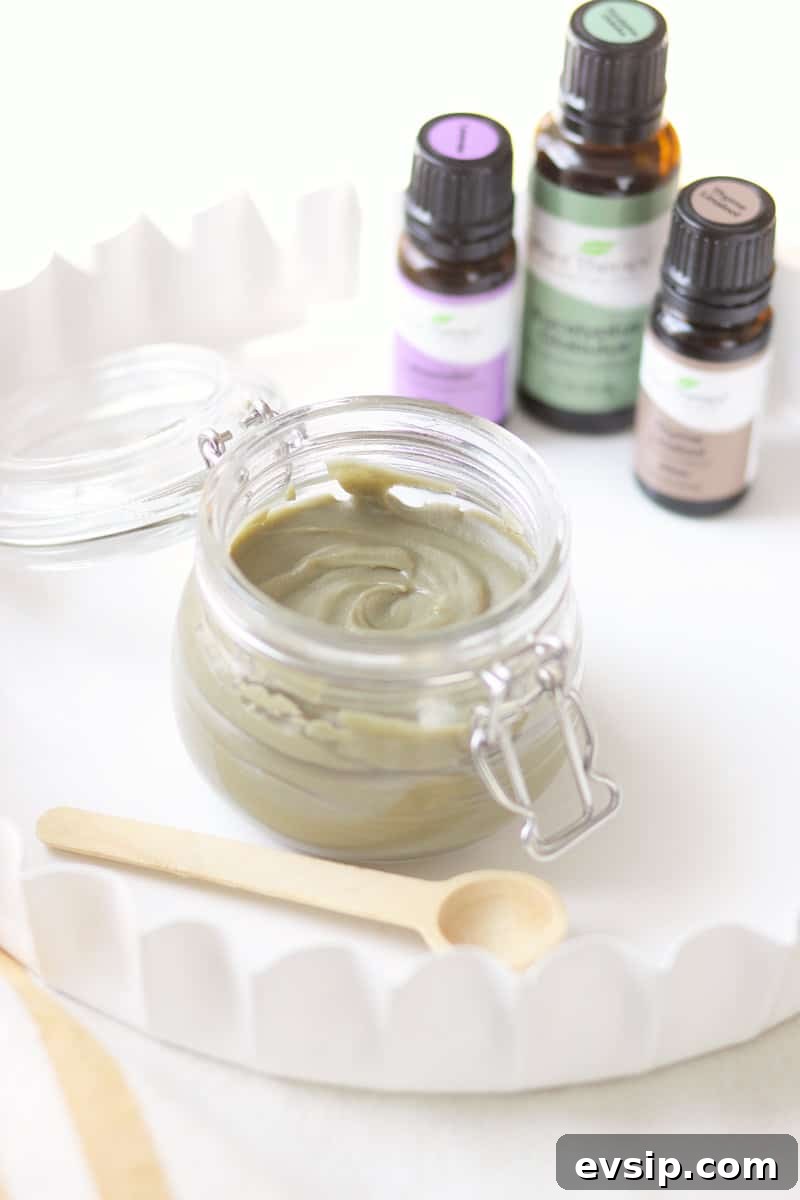
We live on the Kansas prairie and spend a lot of time outdoors in summer, so insect bites are an everyday reality. After trying many options, we rely on a simple homemade anti-itch cream for fast relief and better healing.
Using a good bug spray is the best prevention, but when bites happen this cream helps reduce itching and draw out any irritants left behind, speeding recovery.
What You’ll Need To Make Homemade Anti Itch Cream
Ingredients
- Coconut Oil – soothing and mildly anti-inflammatory, a good carrier for the recipe.
- Shea Butter – rich in fatty acids and vitamins; soothes and supports healing (cocoa butter can be substituted).
- Beeswax Pellets – creates a gentle barrier and adds skin-supporting properties.
- Baking Soda – helps neutralize skin pH and can reduce itching.
- Bentonite Clay – draws out impurities and can help speed healing when used on insect bites.
- Essential Oils – anti-inflammatory and soothing oils can be added; dilute properly and choose oils suited to sensitive skin.
Tools to Use:
- Double boiler (or a heat-safe bowl set over a saucepan of simmering water)
- Small lidded glass jar for storage
How To Make Homemade Anti Itch Cream
Combine – In a double boiler (or a heat-safe bowl over simmering water), gently melt the coconut oil, shea butter and beeswax until fully liquid.
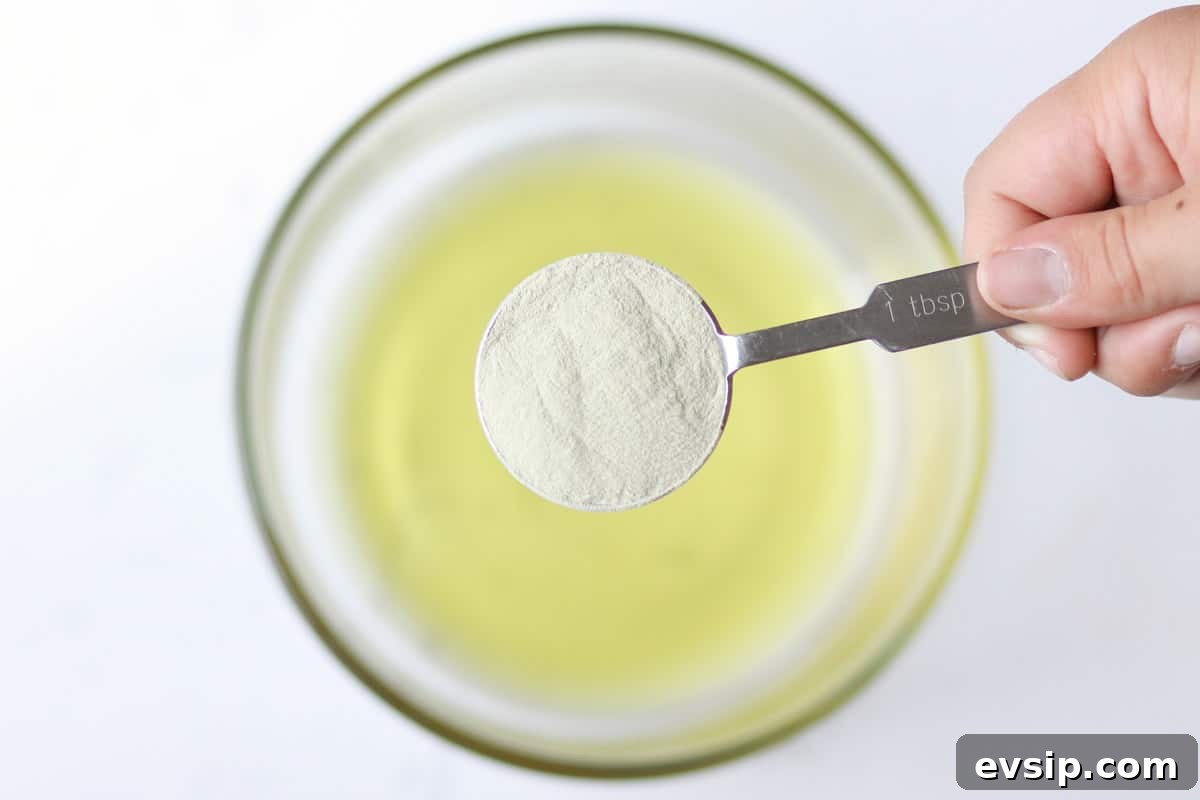
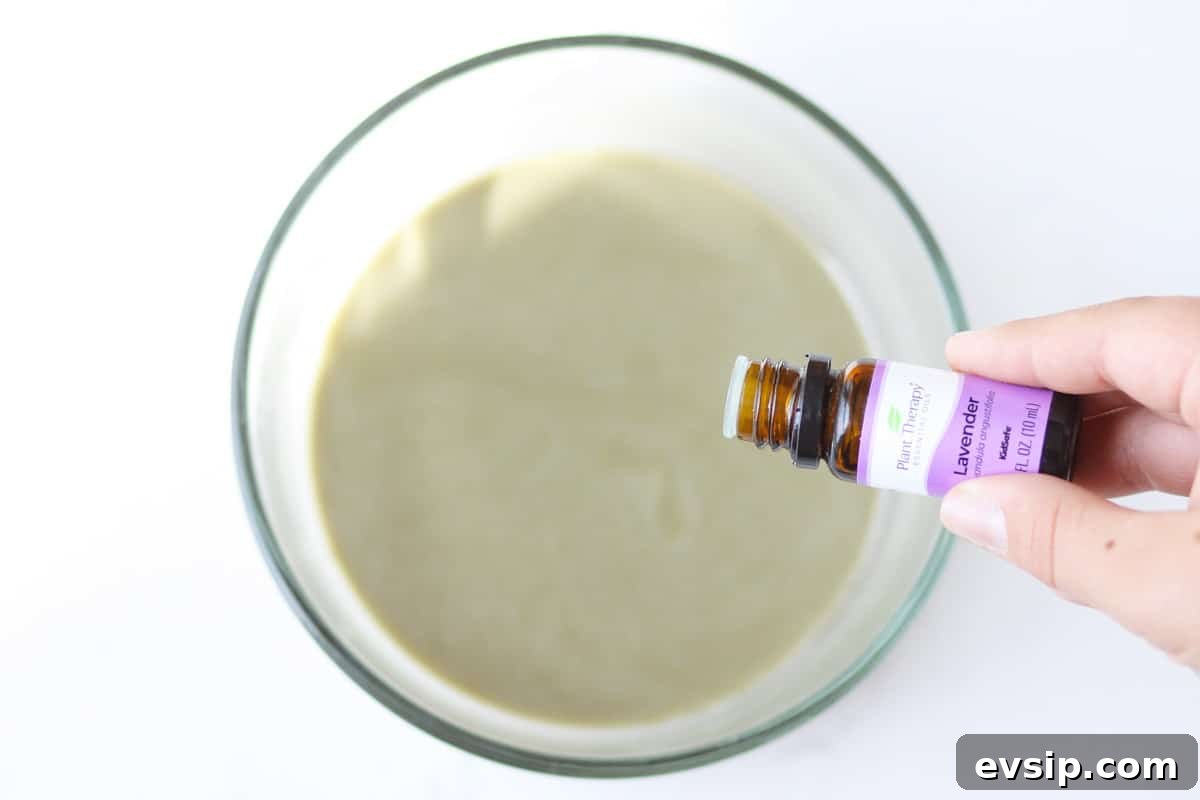
Add dry ingredients and oils – Remove the melted base from heat and let it cool slightly. Stir in the bentonite clay, baking soda and your chosen essential oils until smooth and fully combined.
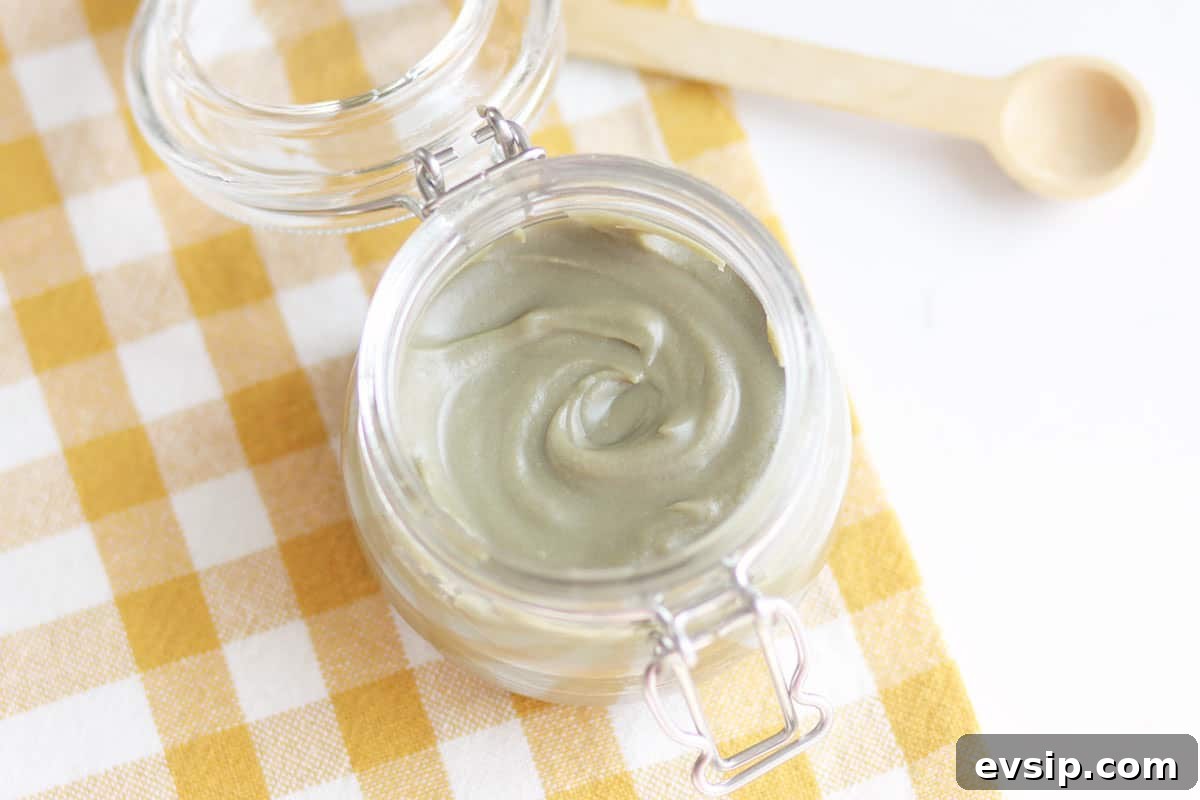
Pour the mixture into a clean glass jar and allow it to set at room temperature. Once solid, cap and label the jar.
Tips For Success
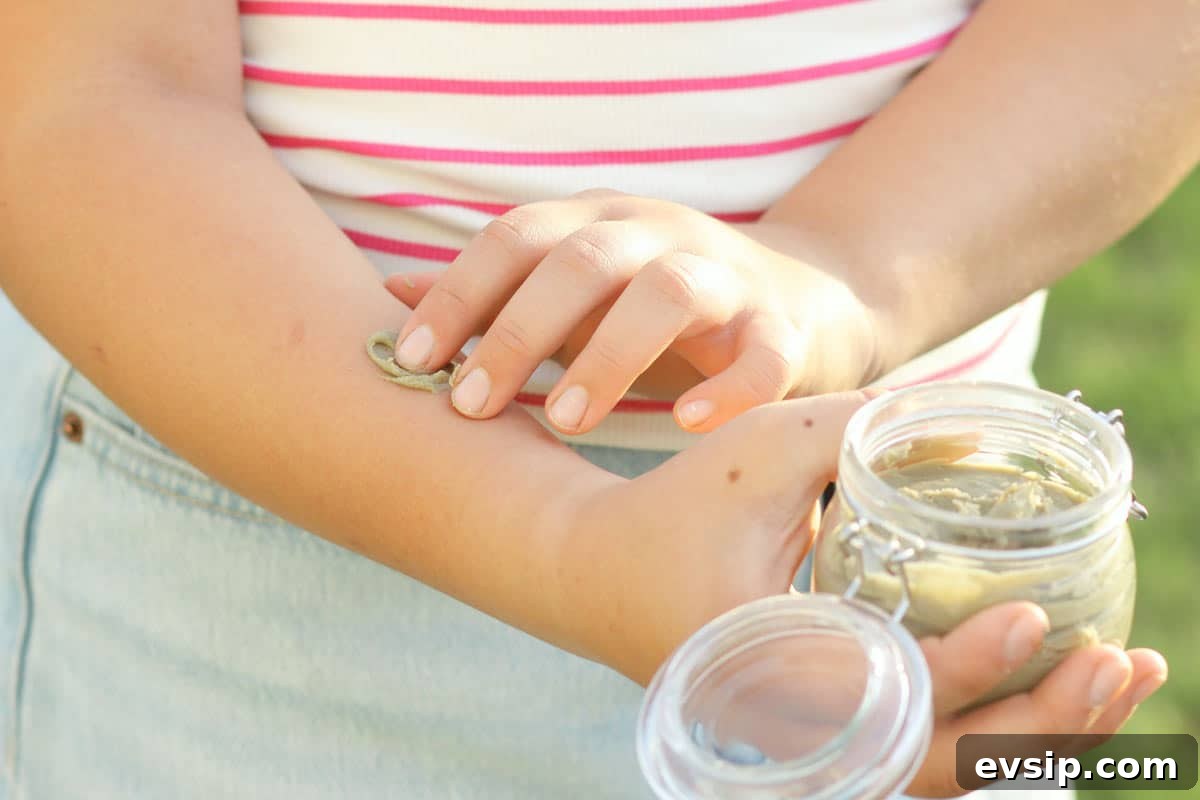
To Use – Apply a small amount to the bite, let it sit 15 minutes, then wipe away. Repeat as needed for relief.
To Store – Keep in an airtight glass container in a cool, dark place. Properly stored, the cream can last several months; essential oils may gradually lose potency over time.
Substitutions – Cocoa butter works in place of shea; olive, almond or jojoba oil can replace coconut oil.
Variations – Pour the melted mixture into lip balm tubes or an empty deodorant container to make an easy-to-use anti-itch stick.
Disclaimer – Do not apply this cream to open wounds. If you notice increased irritation or signs of an allergic reaction, stop use and consult a healthcare professional.
Why You’ll Like This Cream
- Simple to make with a short ingredient list.
- All-natural ingredients and non-toxic components.
- Baking soda and bentonite clay help draw out irritants while supporting faster healing.
FAQ About Homemade Anti Itch Cream
How do you stop bug bites from itching naturally?
Several natural remedies relieve itching: apply a cold pack, use a colloidal oatmeal bath, dab diluted apple cider vinegar, try a baking-soda paste, apply bentonite clay paste, or use a diluted essential-oil-based cream.
- Ice pack or cold compress
- Colloidal oatmeal bath
- Apple cider vinegar diluted 1:1 with water
- Baking soda in a warm bath or as a paste
- Bentonite clay paste applied briefly
- Homemade anti-itch cream with appropriate essential oils
- Chilled green tea bags as a compress
Does baking soda stop itching?
Baking soda can help by balancing skin pH and drying the affected area, which can reduce itching and support healing.
How do you use bentonite clay for bug bites?
Mix bentonite clay with water to form a paste (equal parts). Apply a thin layer to the bite, let it dry for about 15 minutes, then rinse. The clay can help draw out irritants and soothe the skin.
What essential oils are good for itching?
These essential oils are commonly used to soothe insect bites. Always dilute them with a carrier oil and do a patch test first:
- Lavender
- Tea tree
- Peppermint
- Chamomile
- Lemon or lemongrass (use with caution on sensitive skin)
- Eucalyptus
- Rosemary
How can you prevent bug bites?
Preventing bites is the best approach: wear long sleeves and pants with socks, use a natural insect repellent before going outside, avoid sitting in tall grass, and stay away from standing water when possible.
More Homemade Ideas For Summertime:
- Healthy Fudgesicles
- DIY Bubble Solution
- Homemade Sunscreen
- DIY Essential Oil Insect Repellent
- Fruit and Yogurt Swirl Popsicles
Pin these steps to try later and tag @athomeontheprairie on Instagram to share your results!
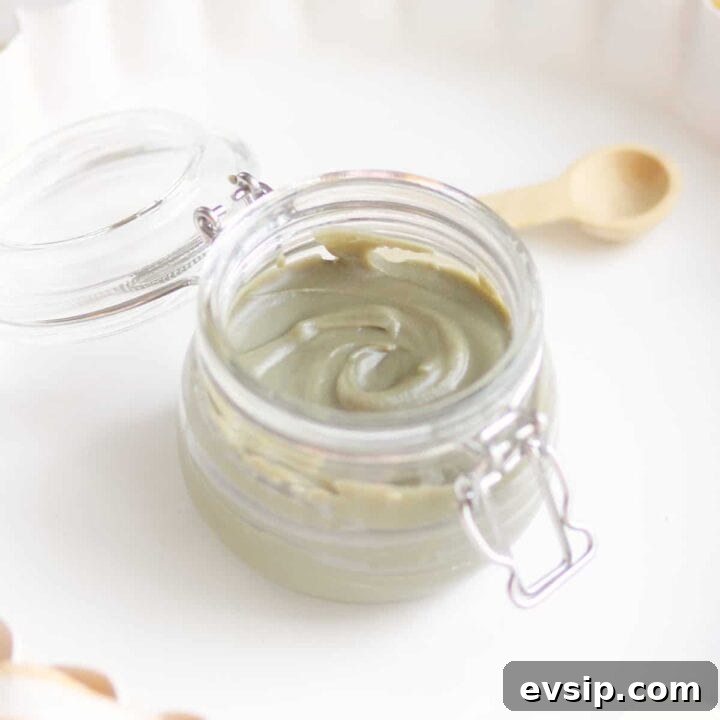
Homemade Anti-Itch Cream
4 ounces
15 minutes
15 minutes
Make a gentle, natural anti-itch cream using baking soda and bentonite clay to relieve insect bites and support healing.
Ingredients
- 2 Tablespoons coconut oil
- 2 Tablespoons shea butter
- 1 Tablespoon beeswax
- 1 Tablespoon baking soda
- 1 Tablespoon bentonite clay
- 30 drops essential oils
Instructions
- In a double boiler (or a heat-safe bowl over a saucepan of simmering water), melt the coconut oil, shea butter and beeswax until smooth and fully liquid.
- Remove from heat and allow the mixture to cool slightly. Stir in the bentonite clay, baking soda and essential oils until fully combined.
- Pour into a clean jar and let it set. Once solid, cap and store in a cool, dark place.
Notes
To Use – Apply a small amount to itchy areas and leave for about 15 minutes, then wipe away.
To Store – Store in an airtight glass container in a cool, dark place. Proper storage helps preserve the essential oils.
Substitutions – Cocoa butter for shea; olive, almond or jojoba oil for coconut oil.
Variations – Fill lip balm tubes or an empty deodorant container to make an anti-itch stick.
Disclaimer – Do not apply to open wounds. If irritation or allergic reaction occurs, discontinue use and seek medical advice.