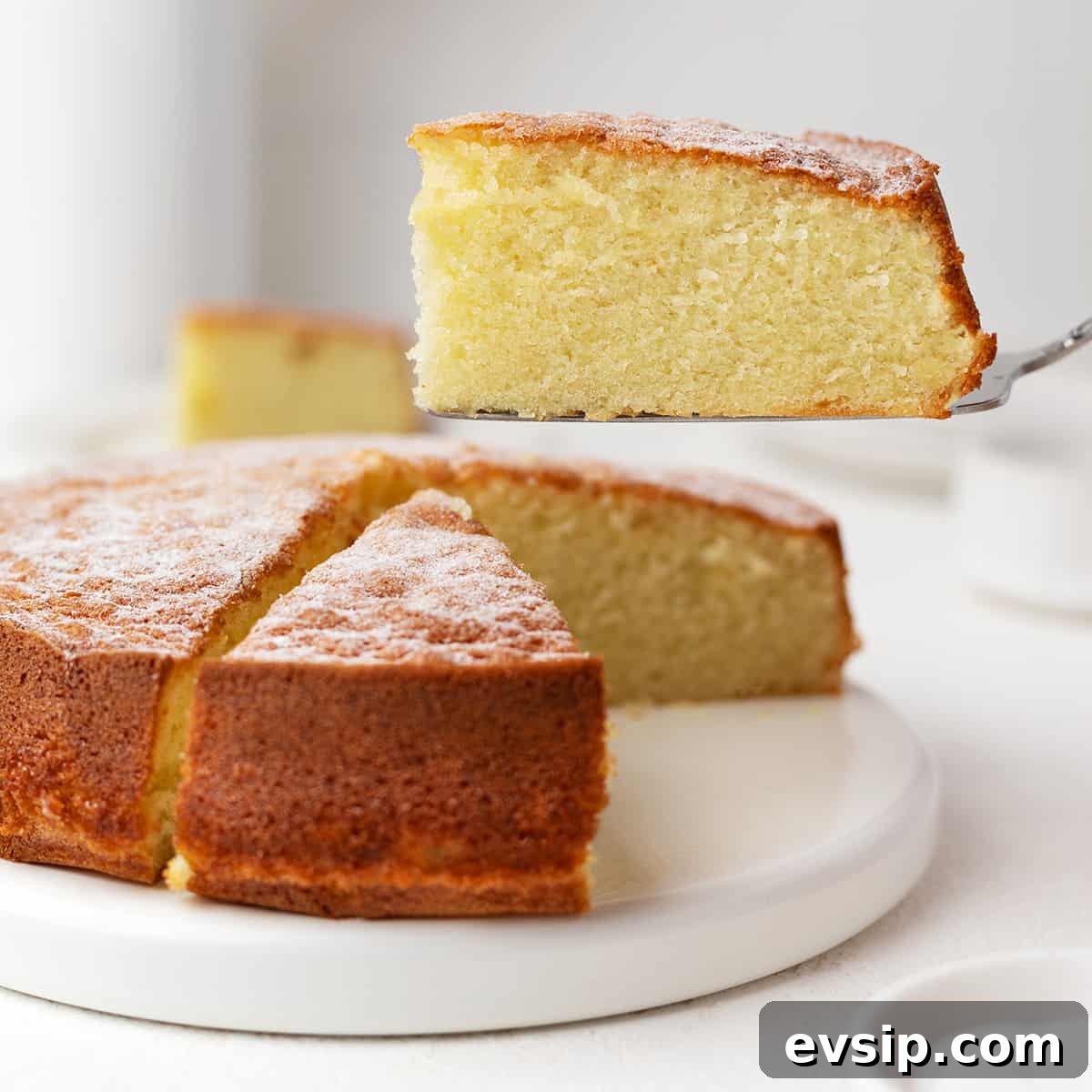
Oil sponge cake is a butter-free, light, and moist sponge cake that works well for people with food allergies or sensitivities. Made with olive oil, it delivers gentle, delicious flavor and a tender texture. Best of all, it’s simple to prepare with just five main ingredients.
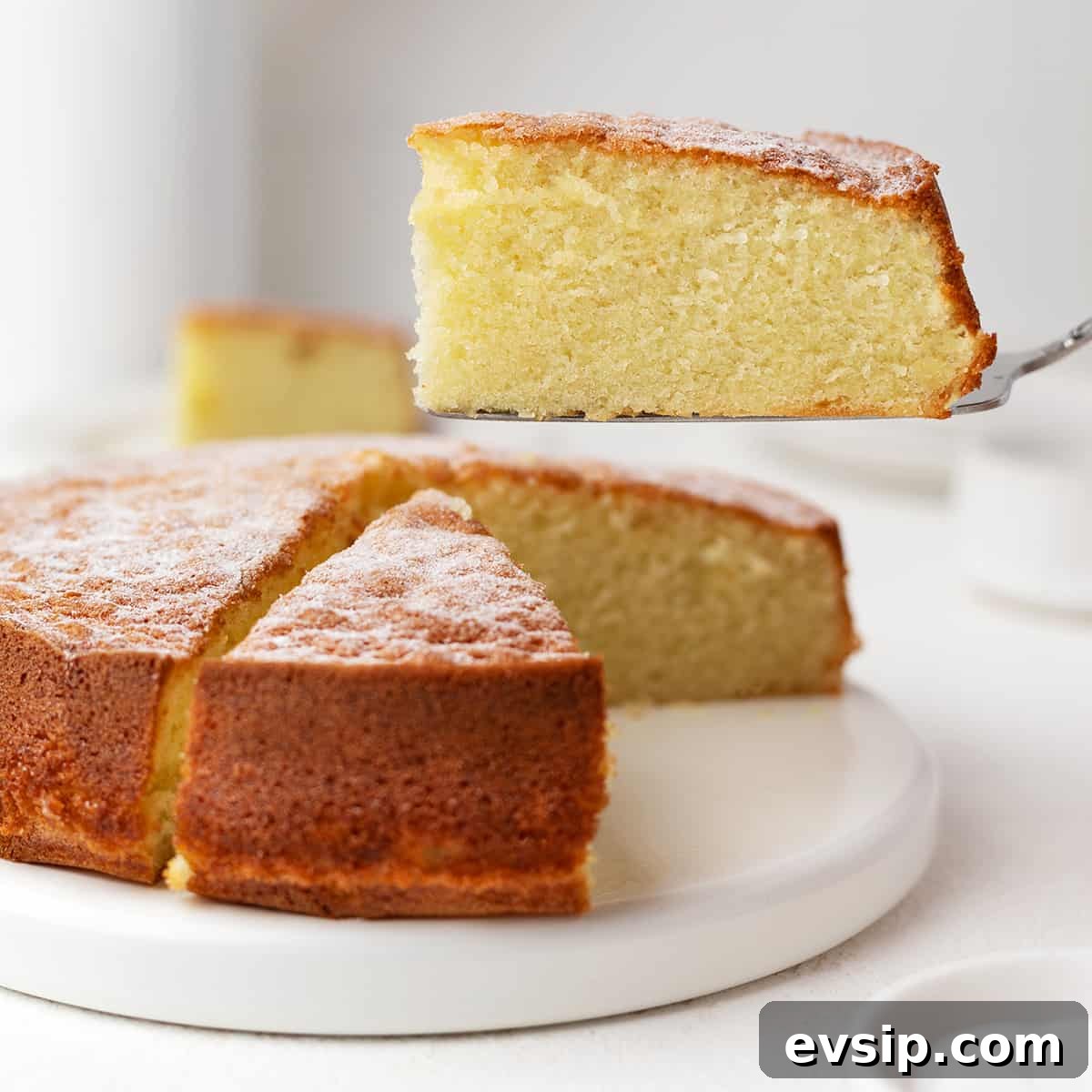
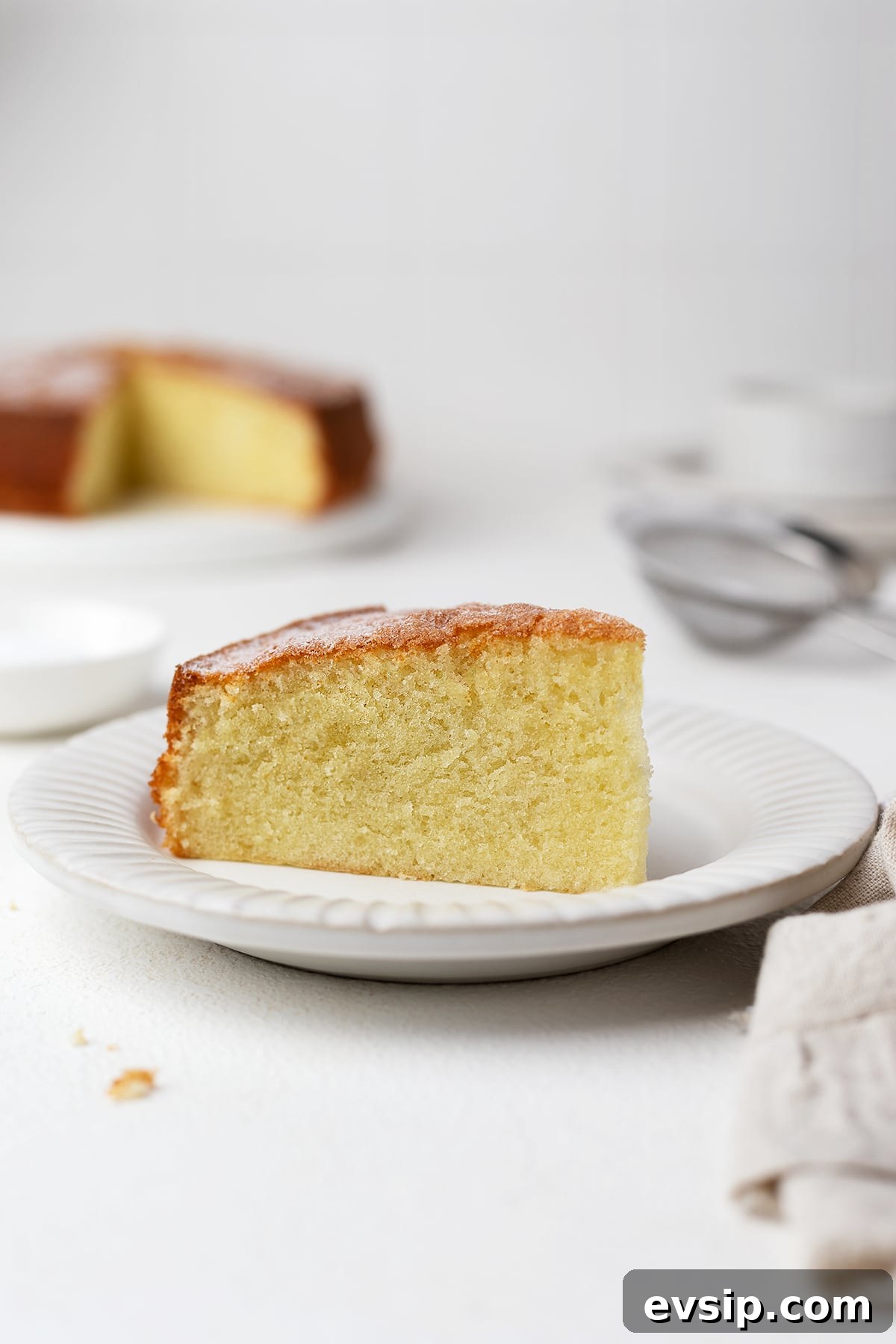
This oil sponge cake, a no-butter sponge, is a delightful option for serving guests. It’s airy and spongy inside with a subtle olive oil aroma that enhances the cake without overwhelming it.
Olive oil isn’t only for salads—its flavor and moisture make it a wonderful ingredient in cakes, muffins, and many baked treats.
If you prefer avoiding butter, cream, or yogurt, this recipe shows how to achieve a moist, flavorful cake using oil instead of butter.
Oil sponge cake recipe
- This light, fluffy cake contains no baking powder; it relies on well-whipped eggs to provide lift and structure.
- Olive oil contributes moisture and a memorable, pleasant taste while extending shelf life.
- This easy oil sponge cake is a basic, versatile recipe—ideal as a plain cake or as the base for layered creations.
Ingredients
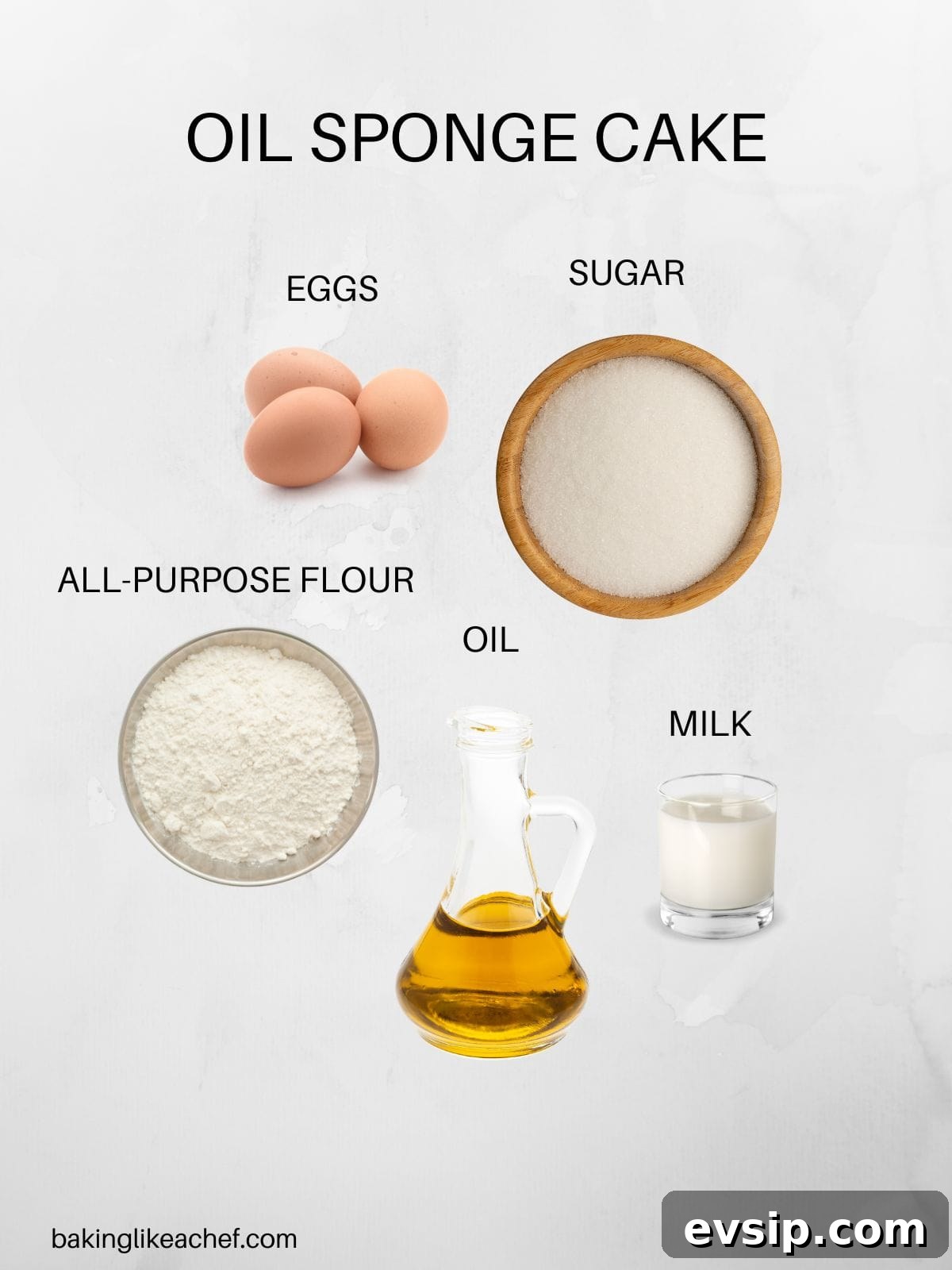
For exact ingredient amounts and a printable version, see the recipe card below.
- Eggs: Use large eggs at room temperature. Whipping the eggs with sugar over a bain-marie (water bath) helps incorporate air for volume. If you’re short on time, place whole eggs in a bowl of warm water for a few minutes to bring them closer to room temperature.
- Sugar: Granulated or caster sugar works well.
- Olive oil: Adds aroma, softness, and moisture. You can substitute with sunflower, vegetable, or rapeseed oil if preferred.
- Milk: Whole milk at room temperature is recommended.
- Flour: All-purpose (plain) flour.
How to make olive oil sponge cake
Step 1. Grease an 8-inch (20 cm) round cake pan with cooking spray and line the bottom with a circle of parchment paper.
Step 2. Sift the all-purpose flour into a bowl and set aside.
Step 3. Preheat the oven to 350°F (175°C). Place the eggs and sugar in a mixing bowl and whisk lightly by hand.
Step 4. Set the bowl over a bain-marie (simmering water) and heat, whisking constantly, until the mixture reaches about 104°F (40°C) or feels warm to the touch.
Step 5. Remove from the water bath and transfer the mixture to a stand mixer fitted with a whisk attachment (or continue whisking by hand).
Step 6. Beat on high speed for about 5 minutes, then on medium for 10–15 minutes, until the mixture reaches the ribbon stage (thick, pale, and falling in ribbons).
Step 7. Sift one-third of the flour over the whipped eggs and fold gently with a rubber spatula, working from the center to the edge to preserve air.
Step 8. Whisk the oil and milk together. Add about one-third of this liquid to the batter and fold gently. Alternate adding the remaining flour and liquid in portions until the batter is smooth and homogeneous.
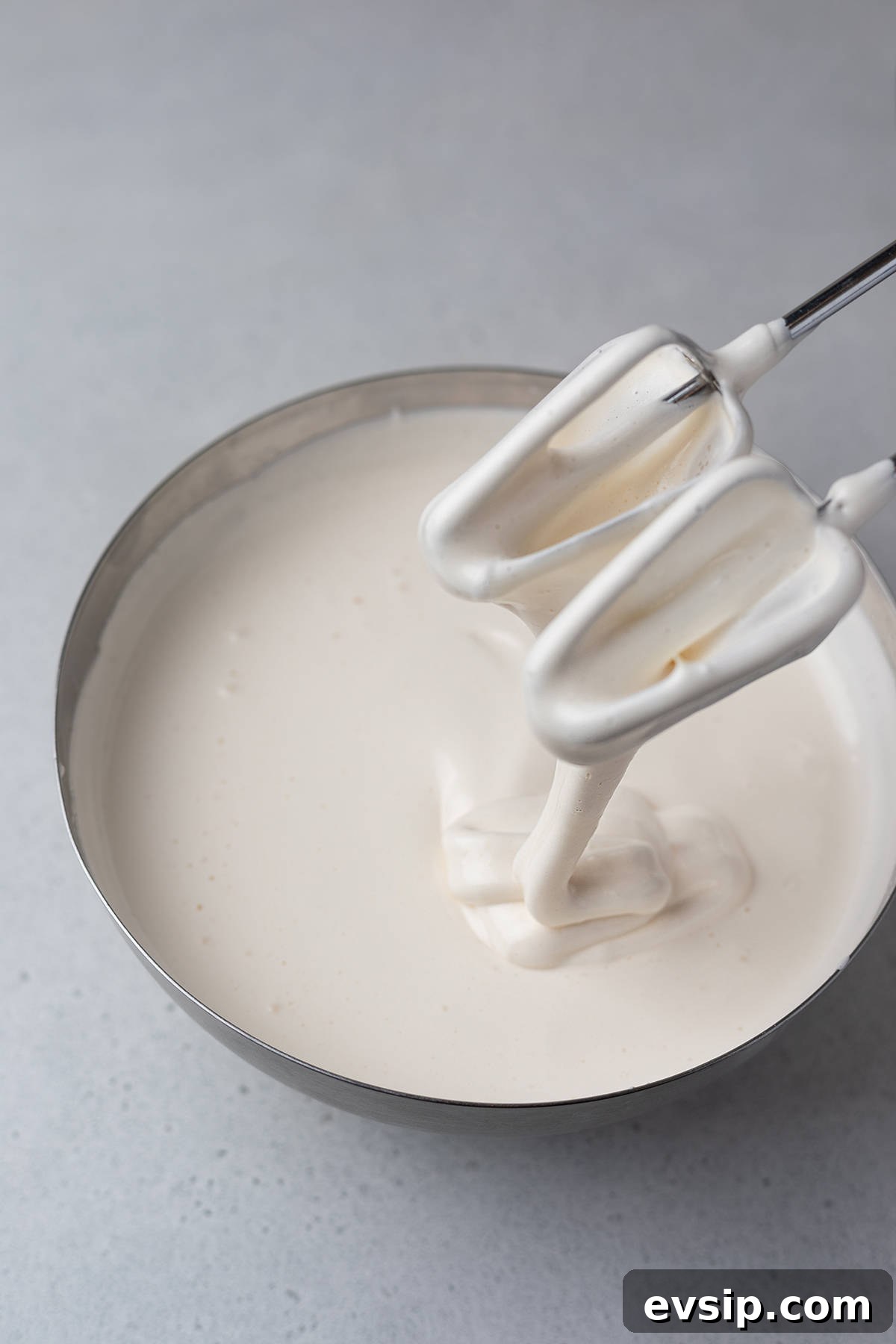
PHOTO 1
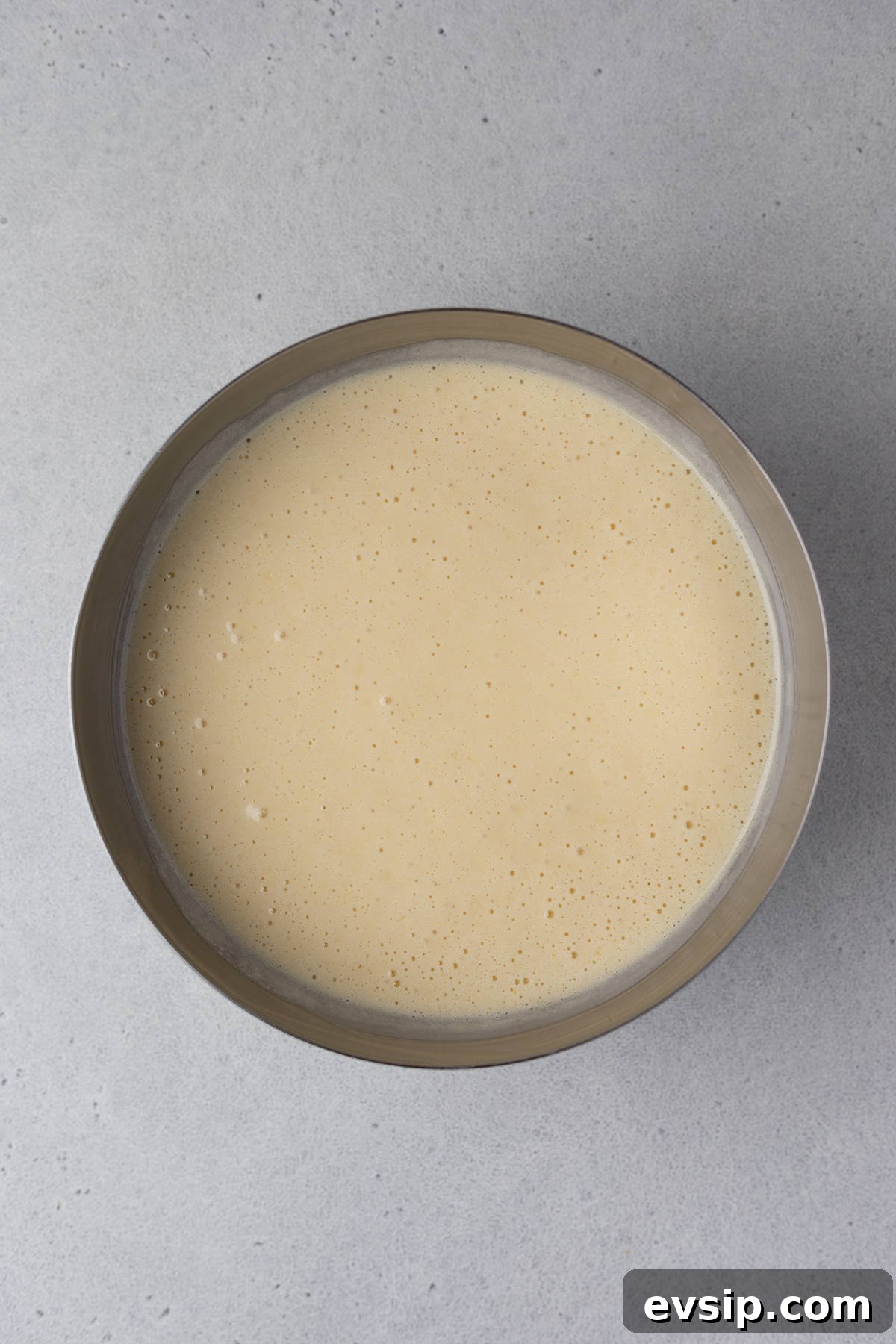
PHOTO 2
Step 9. Pour the batter into the prepared pan.
Step 10. Bake for 30–35 minutes, or until a toothpick inserted into the center comes out clean or with a few moist crumbs.
Step 11. Allow the cake to cool in the pan for 5–10 minutes; it should shrink slightly from the pan edges.
Step 12. Invert the pan to unmold the cake, remove the parchment, then flip again onto a serving plate. Dust with icing sugar to serve, if desired.
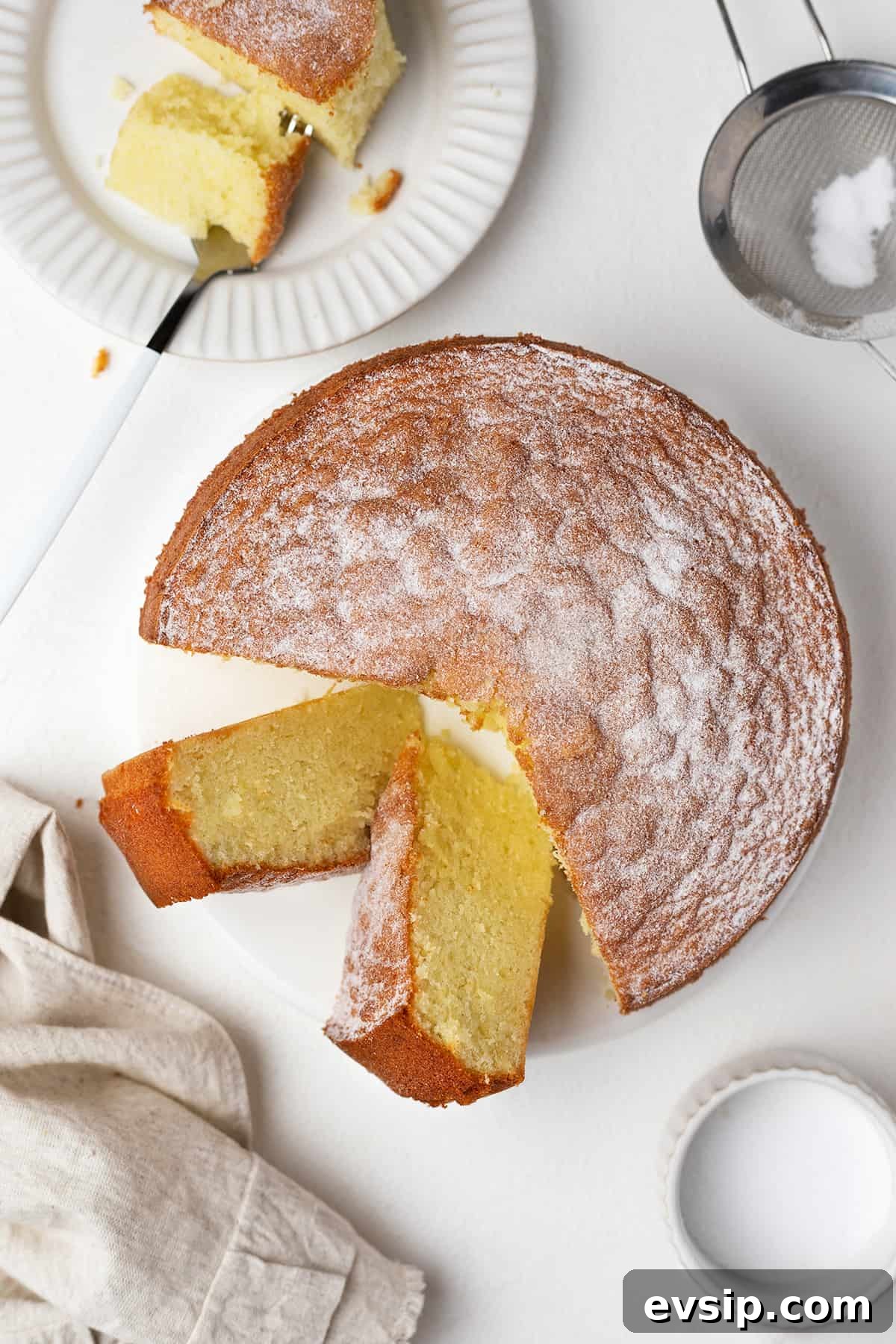
Expert Tips
- Do not shorten the whipping time for the egg and sugar mixture—adequate aeration is crucial for a light texture.
- Incorporate dry and wet ingredients slowly and gently to avoid knocking out air.
- Place the batter in a fully preheated oven for the best rise.
- Avoid opening the oven door during the first 30 minutes of baking.
- Let the cake rest in the pan for 5–10 minutes before unmolding to prevent it from breaking apart.
- Cool the cake completely on a wire rack so it sets evenly and retains its airy texture.
Recipe variations
This classic oil-based sponge is a versatile base—try these simple variations:
- Serve with whipped cream and lemon curd, or top with fresh fruit such as strawberries dipped in chocolate.
- Add 1 teaspoon vanilla extract to the batter for a vanilla-flavored version.
- Stir in orange or lemon zest for a bright citrus note, or a tablespoon of dark rum for a boozy touch.
- For a chocolate version, replace 30 g (about 1 oz) of the flour with unsweetened cocoa powder.
Storing and freezing
Store the cake well wrapped at room temperature for up to a week. To freeze, cool completely, wrap in two layers of plastic wrap and a layer of aluminum foil, and freeze for up to 3 months at around -13°F (-25°C).
To thaw, move the cake to the refrigerator overnight or bring it to room temperature for a couple of hours. To refresh a chilled cake quickly, warm it in a low oven for 10–15 minutes.
Troubleshooting
Why is my cake too dense?
Reason: Too much liquid, too much sugar, or insufficient aeration.
Fix: Measure accurately with a kitchen scale, use fresh ingredients, and ensure proper whipping of the eggs.
Why does my cake have holes?
Reason: Over-mixing the batter can create large air pockets.
Fix: Follow the recipe’s mixing method and fold ingredients gently; avoid over-beating once flour is added.
Why is my cake dry?
Reason: Incorrect ingredient measurements or overbaking.
Fix: Measure dry ingredients correctly and test doneness with a toothpick to avoid overbaking.
Why is my cake hard?
Reason: Over-mixing or using the wrong flour type.
Fix: Use all-purpose flour and follow the recipe’s mixing order and timings.
Why is my cake falling apart?
Reason: Unmolding too soon after baking.
Fix: Let the cake rest in the pan for 10–15 minutes, then run a knife around the edge and carefully remove it.
Why is my cake sinking in the middle?
Reason: Underbaking, too much leavening, or opening the oven during baking.
Fix: Confirm oven temperature and baking time, test with a toothpick, and avoid opening the oven while the cake sets.
Recipe FAQ
Both add moisture, but oil keeps the cake softer at room temperature and when chilled, while butter can give a finer crumb and solidifies in the fridge, which affects texture when cold.
Yes—olive oil can replace vegetable oil in a one-to-one ratio in most recipes.
Love sponge cakes? Try these next!
For more sponge cake recipes, explore other classic options such as Genoise sponge, Japanese sponge cake, or chocolate sponge cake.
- Genoise Sponge Cake
- Sponge Apple Cake
- Japanese Sponge Cake
- Chocolate Sponge Cake
- Or browse basic cake recipes for more ideas
Want more delicious recipes? Subscribe to the site newsletter and follow the author on social media. If you make this recipe, consider leaving feedback or a rating on the recipe card.
Recipe card
Oil Sponge Cake (With Olive Oil)
Oil sponge cake is an easy-to-make, light, and moist olive oil-based sponge full of flavor and tender texture.
- Total Time: 60 minutes
- Yield: 8 servings
- Category: Cakes
- Method: Baking
- Cuisine: French-inspired
Ingredients
- 4 large eggs (190 g), room temperature
- ¾ cup (150 g) granulated sugar
- ½ cup + 1 tablespoon (135 ml) virgin olive oil
- ⅓ cup + 1½ tablespoon (100 ml) whole milk, room temperature
- ¾ cup + 2½ tablespoons (115 g) all-purpose flour
Instructions
- Grease an 8-inch (20 cm) round pan and line the bottom with parchment. Preheat the oven to 350°F (175°C). Sift the flour and set aside.
- Place eggs and sugar in a bowl and whisk lightly. Heat the bowl over a bain-marie until the mixture reaches about 104°F (40°C), whisking constantly.
- Remove from the water bath and whisk with a stand mixer (whisk attachment) for 5 minutes on high, then 10–15 minutes on medium until the ribbon stage is reached.
- Sift one-third of the flour over the mixture and fold gently with a rubber spatula. Fold slowly and rotate the bowl while mixing.
- Whisk oil and milk together. Add one-third of the liquid to the batter and fold. Alternate adding flour and liquid until the batter is smooth.
- Pour into the prepared pan and bake 30–35 minutes. Test with a toothpick or cake tester—if it comes out clean or with a few crumbs, it’s done.
- Cool in the pan for 5–10 minutes, then unmold, remove parchment, and invert onto a serving plate. Once cooled, dust with icing sugar if desired.
Notes
- Whip the egg and sugar mixture thoroughly for a light texture.
- Fold dry and wet ingredients slowly and gently.
- Do not open the oven door during the first 30 minutes.
- Allow the cake to rest briefly in the pan before unmolding, then cool completely on a wire rack.
Nutrition
- Serving Size: 1 slice
- Calories: 303
- Sugar: 19.7 g
- Sodium: 60 mg
- Fat: 19 g
- Saturated Fat: 3.3 g
- Carbohydrates: 30.5 g
- Fiber: 0.4 g
- Protein: 5.1 g
- Cholesterol: 94 mg
Nutrition details are estimates calculated with an online nutrition tool and should be used as a general guideline.
This recipe has been updated since its original publication.