
How to Have A Daily Routine (With Kids)
and Free Time Blocking Printable

Having a daily routine as a stay-at-home mom (or working mom) is challenging
I love schedules, but in real life they often act as a flexible guide rather than an ironclad rule. Flexibility is essential. Unexpected things will happen—sickness, missed alarms, tantrums—and those curve balls can derail even the best-laid plans.
For example, I once went to bed determined to restart our routine after a week of vacation. I love Monday fresh starts; they energize me to begin new habits. Then I woke up to my oldest son being sick and my husband late for work after forgetting to reset his alarm. My plans for shopping and productivity vanished, and I couldn’t send a vomiting five-year-old out to run errands.
Even so, the day wasn’t ruined. With some flexibility and a reliable framework, I was able to adapt. Below are practical tips that help me keep a routine and stay productive despite the unpredictability of family life.
1. Have a plan for your daily routine
Preferably a detailed plan. It’s a mistake to skip planning because you assume the day will change. Without a plan, many people feel overwhelmed and constantly behind. A plan gives you freedom to evaluate and adapt rather than leaving you directionless.
Having a plan lets you adjust intentionally
I use time blocking to structure my day, knowing it may shift. When something disrupts the schedule, I can quickly reassess which blocks to keep, shorten, or skip. A plan makes it easier to spot what can be postponed and where to pick up later.
Kids thrive with structure
From my background as an elementary teacher, I learned that children feel secure in structured environments. Consistent schedules and routines help kids feel safe, which reduces anxiety and creates smoother days at home.
My basic morning and early afternoon time-blocked outline
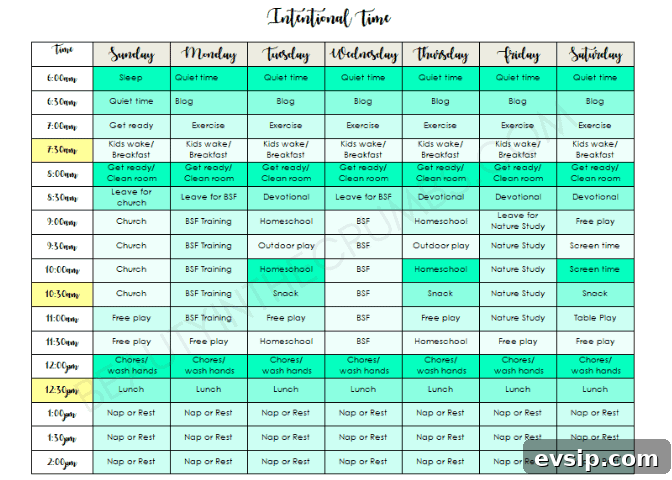
This outline is not a minute-by-minute checklist but a framework I use throughout the week. I highlight meal times—because food matters—and include a couple of blocks for myself. Most days follow the same flow, so I write common items across several days to keep the plan simple.
It doesn’t show every detail like appointments, specific chores, or special activities, but it provides the backbone of our day. If you want to try this format, a printable version is available below.
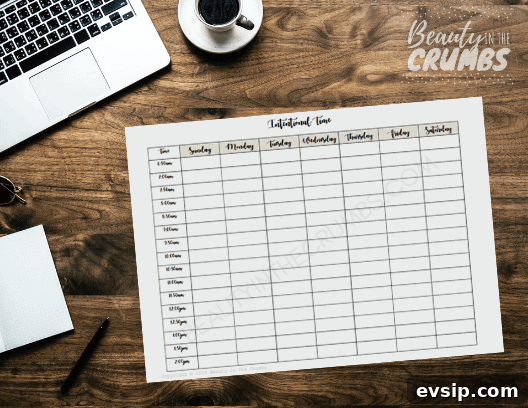
FREE Intentional Time Blocking Printable
If you’d like, I can share a more detailed breakdown of how these blocks look for our family—just ask.
2. Hold your plan loosely
Flexibility is not failure. Schedules will be affected by other people—especially kids—and that’s normal. Children are unpredictable: meltdowns, extra playtime, or sudden illness will happen. Expect interruptions and be ready to pivot.
Examples include a long tantrum, cleanup turning into more play, bath time restarting because of an accident, a toddler undoing folded laundry, or someone losing a shoe. These events are part of life with kids.
Not all disruptions are bad
Some interruptions are valuable: an unexpected cuddle, extra reading time because everyone is engaged, imaginative play that lasts longer than planned, or meaningful breakfast conversation. Those moments are worth bending the schedule for.
Keep structure where you can, but be sensitive to the needs of the people in your home. Holding your plan loosely gives you room to respond thoughtfully instead of resisting every change.
3. Seriously limit social media and TV
Screen time is a major time sink. Scrolling social media or watching shows can quickly consume time that would be better spent on priorities. I enjoy TV and binge-watching when it’s intentional, but it becomes a problem when it replaces responsibilities.
When screen time gets in the way of your role, it’s gone too far
I used to lose nap time to Netflix frequently, which left dinner late and me unmotivated. If you need to relax during nap time, plan for it: prep meals earlier, finish chores beforehand, or schedule workouts around it. Don’t let relaxation simply happen to you—plan it so it doesn’t derail other responsibilities.
Be mindful of your habits. If social media or TV regularly consumes productive time, set boundaries. I schedule specific times to check social media and watch videos, and I use timers to avoid losing track of time.
Tips that helped me reduce screen drift:
- Keep your phone out of immediate reach or out of sight.
- Schedule small windows for social media and TV so they don’t take over.
- Set a timer to limit each session.
Over time I became less dependent on screens. I noticed better focus, fewer late dinners, and more presence with my family. It’s not about strict deprivation—just mindful use.
4. Have three priority tasks each day
There are always more than three things to do, so choosing a trio of priorities brings clarity and keeps you focused. When you feel tempted to rest or procrastinate, ask: are my top three done? If yes, you can take a breather guilt-free. If not, can you complete one quickly and still rest afterward?
This strategy prevents overwhelm and helps you concentrate on what truly matters today. Lower priority tasks can wait until another time.
How I pick my top three
After my quiet time, I review my planner and choose three must-do tasks. I ask simple questions:
- What is most important today?
- What can’t wait until tomorrow?
- Is there a deadline?
Often my priorities are meal-related—prepping dinner or grocery shopping—because feeding the family is essential. I use a combination of paper planners and apps to keep track, but the key is writing the three priorities down and checking them off as the day progresses.
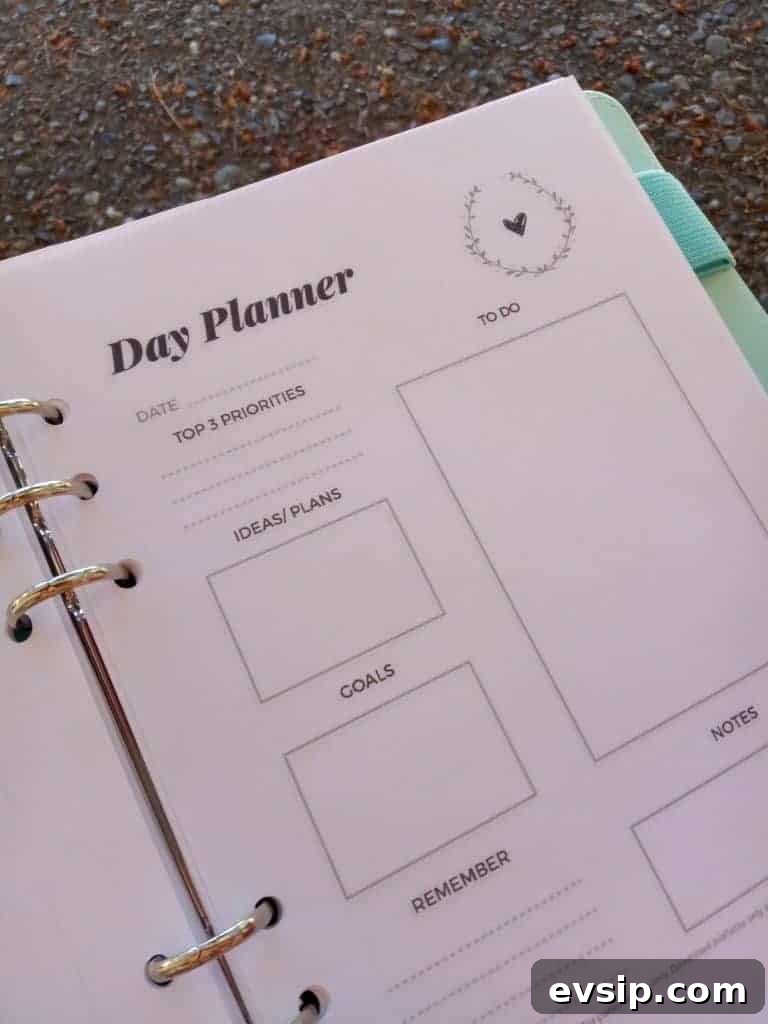
The current day planner I use
If bedtime routines stress you, consider creating a consistent evening schedule to make nights calmer and more restorative for everyone.
Now it’s your turn: what helps you keep a routine at home? Have you found the perfect planner or a time-blocking method that works? Share what’s worked for you and the changes you’ve seen.