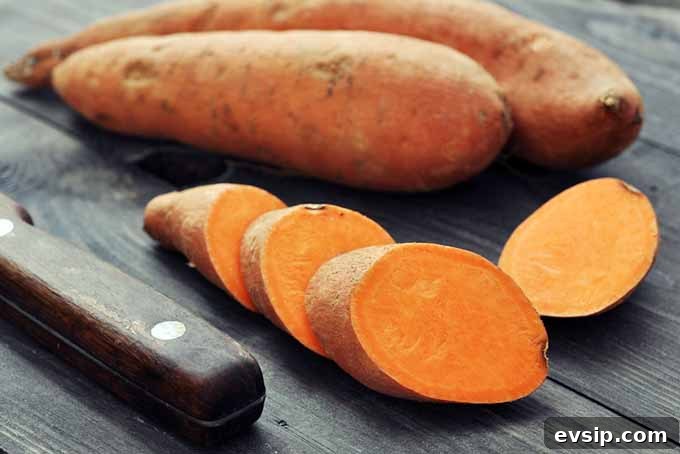
(Plus Tips for Buying, Storing, and Cooking)
Sweet potato, yam. Potato, potahto. Are they the same? The answer may surprise you.
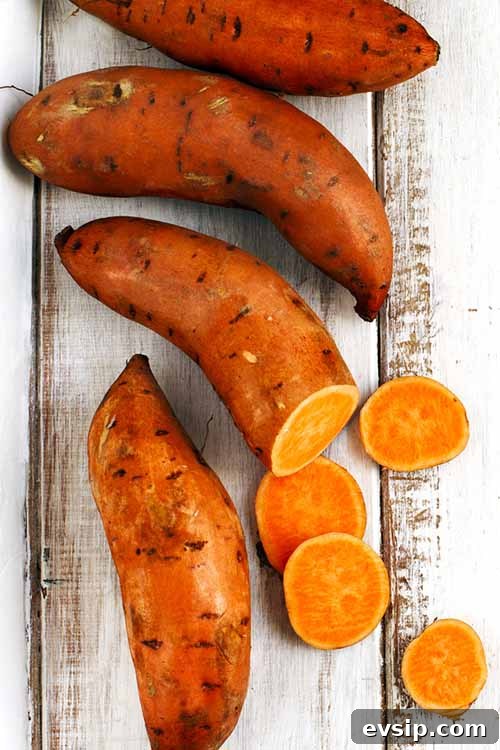
We love them in casseroles or simply steamed with butter and brown sugar, but how much do we really know about sweet potatoes? This article offers a concise, friendly primer on their history, botany, the yam confusion, nutrition, how to pick the best ones, storage, and culinary uses.
Cultivation, Culture, and History
The sweet potato is a tropical plant native to the Americas. Indigenous groups in North America were growing sweet potatoes long before Columbus arrived, and Europeans later introduced them across the globe.
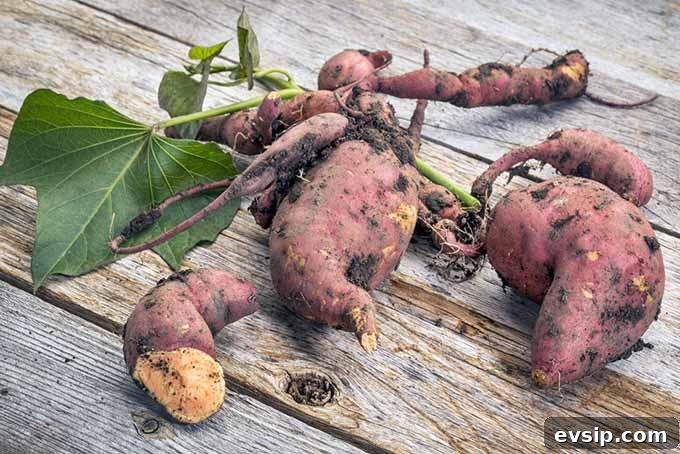
Thanks to appealing flavor, good nutrition, and easy cultivation, the sweet potato quickly became one of the world’s most widely grown vegetables, second only to the common white potato. In the United States, they thrive in warm climates, particularly throughout the Southeast. North Carolina is a notable producer and has a grower commission dedicated to the industry. Sweet potatoes are deeply rooted in Southern and Appalachian cuisines and feature in classic pies, puddings, casseroles, and even whole-ash-roasted treats enjoyed at outdoor gatherings.
Festivals celebrating the sweet potato occur worldwide, from the Louisiana Yambilee to regional harvest events in October. Read on to understand the plant at a scientific level and learn practical tips for buying, storing, and cooking.
Botanical Basics
Taxonomy places the sweet potato in the species Ipomoea batatas, part of the morning glory family. There are hundreds of varieties, differing in color, texture, and sweetness. Varieties common in the U.S. include Jewel, Covington, Carolina Ruby, and O’Henry.
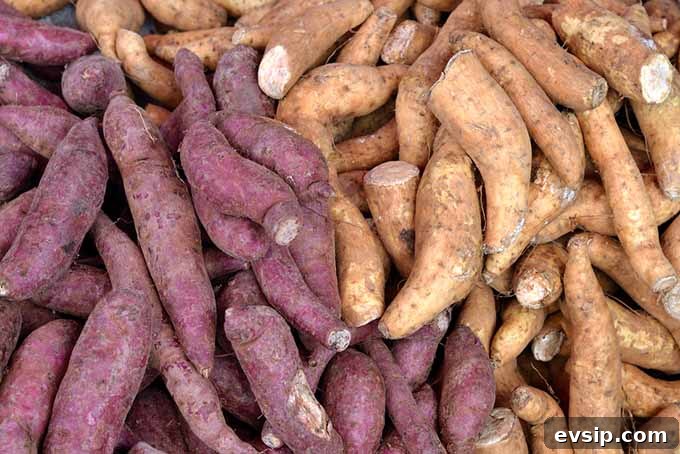
Despite the similar common names, sweet potatoes, white potatoes (family Solanaceae), and true yams (family Dioscoreaceae) are botanically distinct. They come from different plant families and represent different underground structures.
Roots and Stems: What’s the Difference?
Plants have several organs: root, stem, leaf, flower, fruit, and seed. For edible underground parts, the distinction between root and stem vegetables matters.
Root Vegetables
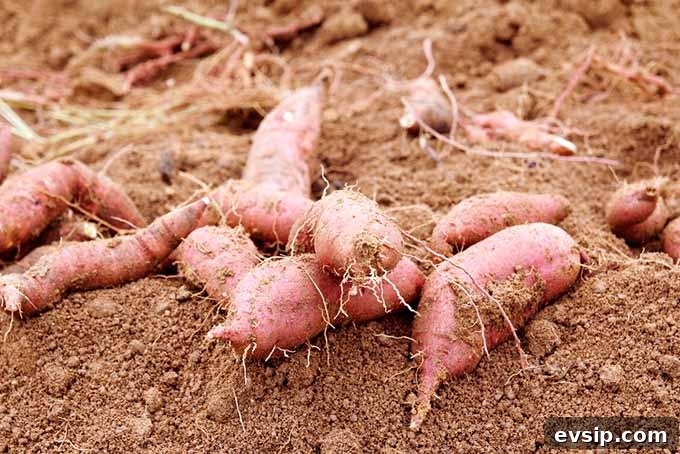
Root vegetables are storage organs made of enlarged nonfibrous cells that hold nutrients and water. Sweet potatoes are true storage roots, like carrots, parsnips, and cassava.
Stem Vegetables
Some plants form tubers—underground stems that store nutrients and can sprout new plants. Common white potatoes and true yams are examples of tubers. Tubers differ anatomically from storage roots like sweet potatoes.

Yam or Sweet Potato: Why the Confusion?
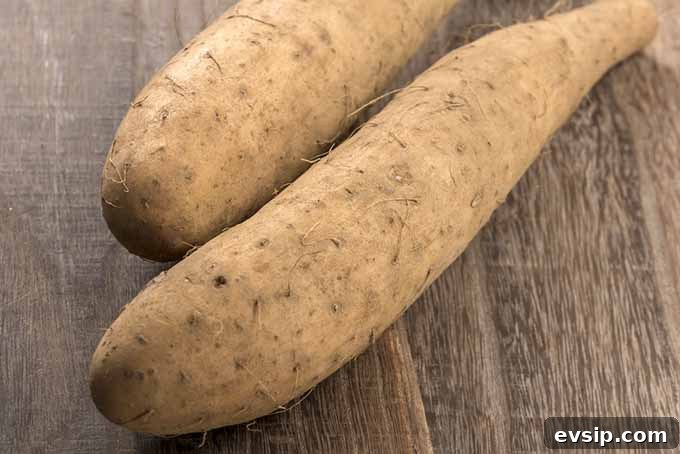
True yams are starchy tubers from tropical plants native to Africa, South America, and the Pacific. They can grow very large and are rarely found in typical American supermarkets. In many U.S. markets, the darker orange, moist variety of sweet potato has historically been labeled as a “yam” to distinguish it from drier, paler varieties. That marketing choice, combined with historical language transfers during the slave trade, created lasting confusion. When you see “yams” in most grocery stores, they are usually sweet potatoes.
Nutritional Profile: A Carb-Rich, Nutrient-Dense Choice
Sweet potatoes are a nutrient-dense source of complex carbohydrates. A small sweet potato provides roughly 60 calories and about 4 grams of fiber when eaten with the skin. They deliver a wide range of vitamins and minerals—B vitamins, phosphorus, magnesium, iron, copper, manganese, calcium, zinc, and chromium among them.
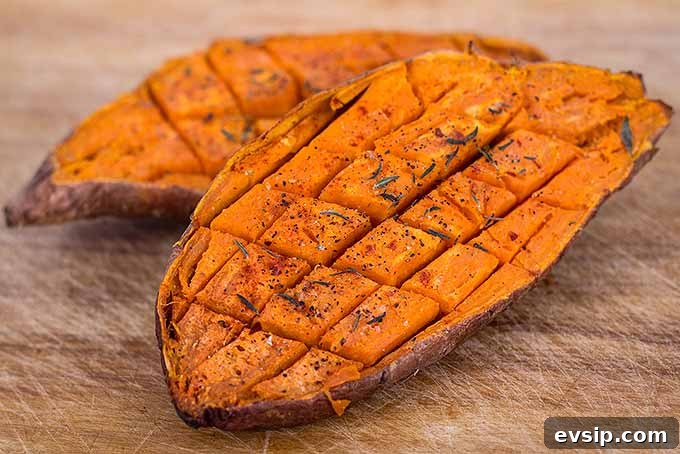
Because sweet potatoes are not members of the nightshade family (Solanaceae), they make a suitable substitute for white potatoes in dishes for anyone avoiding nightshades due to sensitivities.
How to Choose the Best Sweet Potato
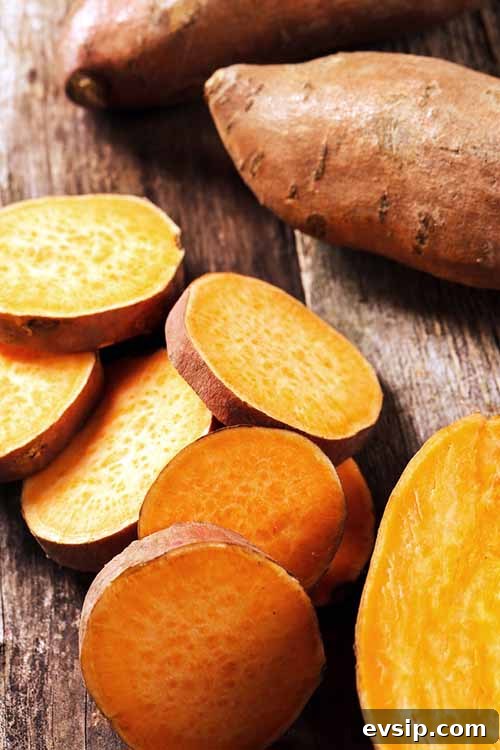
Look for firm, plump tubers with smooth, unbroken skin. They should feel heavy for their size, which indicates good moisture and flesh quality. Avoid sweet potatoes that are soft, moldy, shriveled, or lightweight.
Do not buy if:
- The skin looks moldy or has deep bruising
- It feels soft or mushy
- It smells rotten
- It appears shriveled or too light for its size
Do buy if:
- The skin looks fresh and intact
- It feels firm and heavy for its size
- It has no unpleasant odor
Unlike common white potatoes, sweet potatoes do not develop harmful solanine when exposed to light. Their sprouts and greens are edible and nutritious and can even be used to grow new plants.
Storage and Common Pitfalls
The ideal storage for sweet potatoes is a cool, dark, well-ventilated place at room temperature—think pantry or basement. Kept away from light and heat, they can last about two weeks or longer.
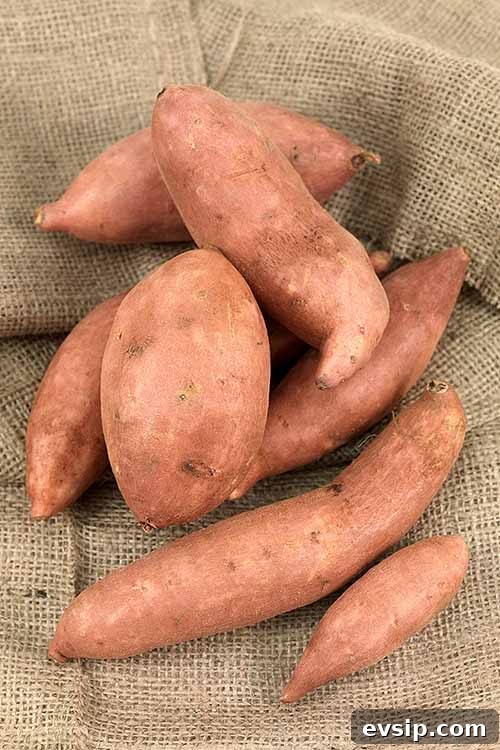
Avoid refrigeration. Temperatures below about 40°F accelerate the conversion of starch to sugar, which can alter flavor and make sweet potatoes brown or burn more easily when frying. Refrigeration can also cause a textural disorder where the center remains hard after cooking, sometimes called “hardcore.”
Cooking Uses and Ideas
Sweet potatoes are versatile: roast, bake, boil, mash, or puree them. They work as a side dish, a base for fried eggs and hash, or as a hearty substitute for mashed white potatoes in shepherd’s pie. Their pure starch is also used to make gluten-free glass-style noodles popular in some Asian cuisines. Spiralized sweet potato makes a tasty, colorful alternative to pasta when paired with roasted vegetables, sun-dried tomatoes, and cheese.
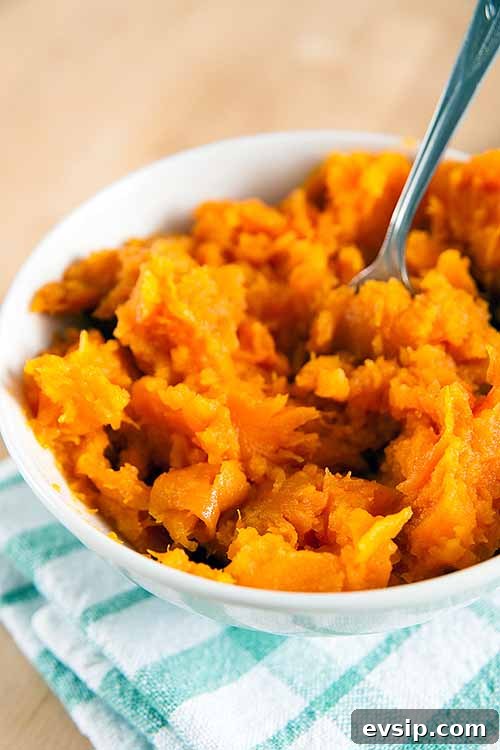
Explore different preparations—sweet or savory—to make the most of their natural sweetness and nutrition. From fries and hash to pies and puddings, sweet potatoes lend themselves to many culinary directions.
Final Thoughts
Sweet potatoes are botanically distinct, historically interesting, nutritionally valuable, and wonderfully versatile in the kitchen. Whether labeled “yams” or “sweet potatoes” at the market, choosing quality tubers and storing them properly will help you get the best flavor and texture for a wide variety of dishes.
Please share your experiences and favorite ways to cook sweet potatoes in the comments below.
Photo credits: Shutterstock.