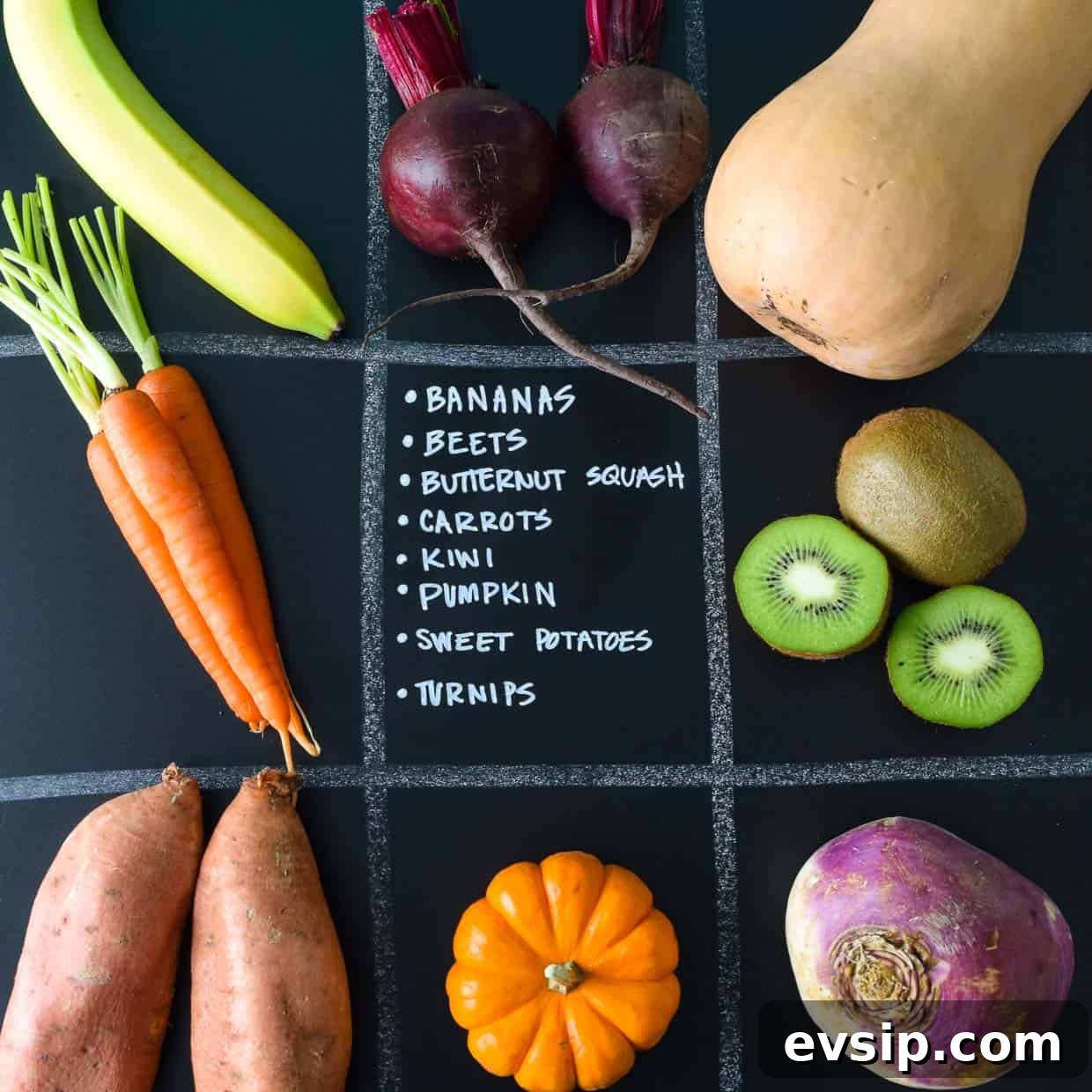
A seasonal produce guide for November with practical tips on choosing, storing, and preparing each ingredient. Includes recipe ideas for all eight featured items.
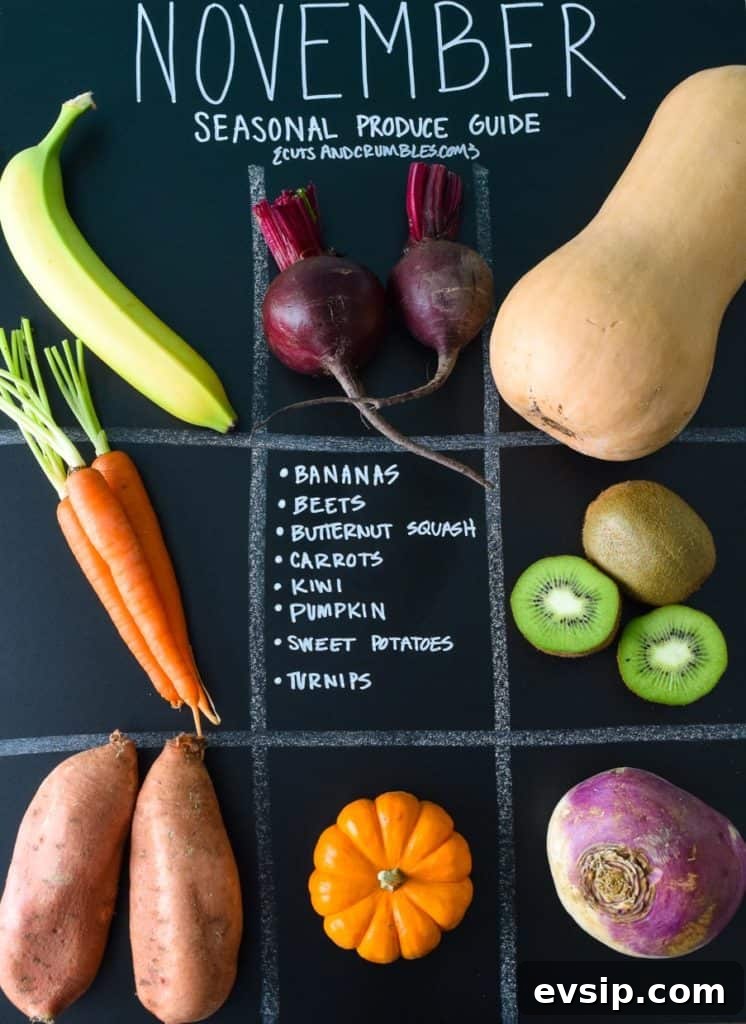
Welcome to November, the official month of cozy meals and holiday planning. With Thanksgiving approaching, it’s a great time to enjoy the hearty, flavorful produce of late autumn before the big carb fest. November highlights many root vegetables, but you’ll also find bright, fresh fruits that bring balance to winter plates.
These monthly seasonal produce guides are meant to help you identify what’s at peak freshness, explain how to select and store items to maximize flavor and longevity, and offer recipe inspiration that puts seasonal ingredients front and center. Eating seasonally saves money and boosts flavor and nutrients—so let’s jump into the November Seasonal Produce Guide.
Bananas
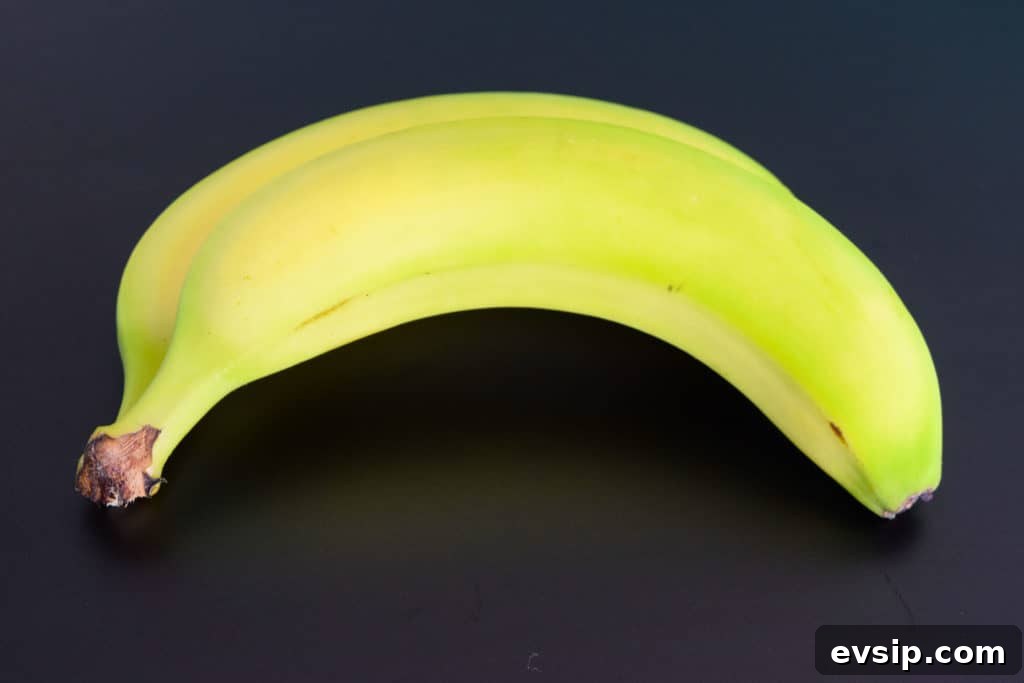
Bananas are available year-round and remain a reliable, portable snack in November. They’re perfect for quick fuel, smoothies, or warming baked goods like banana bread on chilly mornings.
- How to choose them:
- Pick vibrant yellow bananas with a touch of green at the stems for later ripening or fully yellow for immediate eating.
- Look for firm fruit with intact peels and stems; a few brown speckles indicate sweetness and ripeness.
- Avoid large bruises or soft spots if you plan to store them.
- How to store them:
- Keep at room temperature away from direct sunlight. Hanging them prevents bruising but a bowl on the counter works fine.
- Leave bananas attached to the bunch and wrap stems with plastic wrap to slow ethylene release and extend freshness.
- Placing them near unripened fruit can affect ripening rates—use this to your advantage when you need faster ripening.
- How to prepare them:
- Banana Bread Bars
- White Chocolate Chips and Walnuts Banana Bread
- Frozen Chocolate Covered Banana Bites
- Banana Bread with Caramelized Bananas
- Banana Oatmeal Cookies with Chocolate Chips and Walnuts
Beets
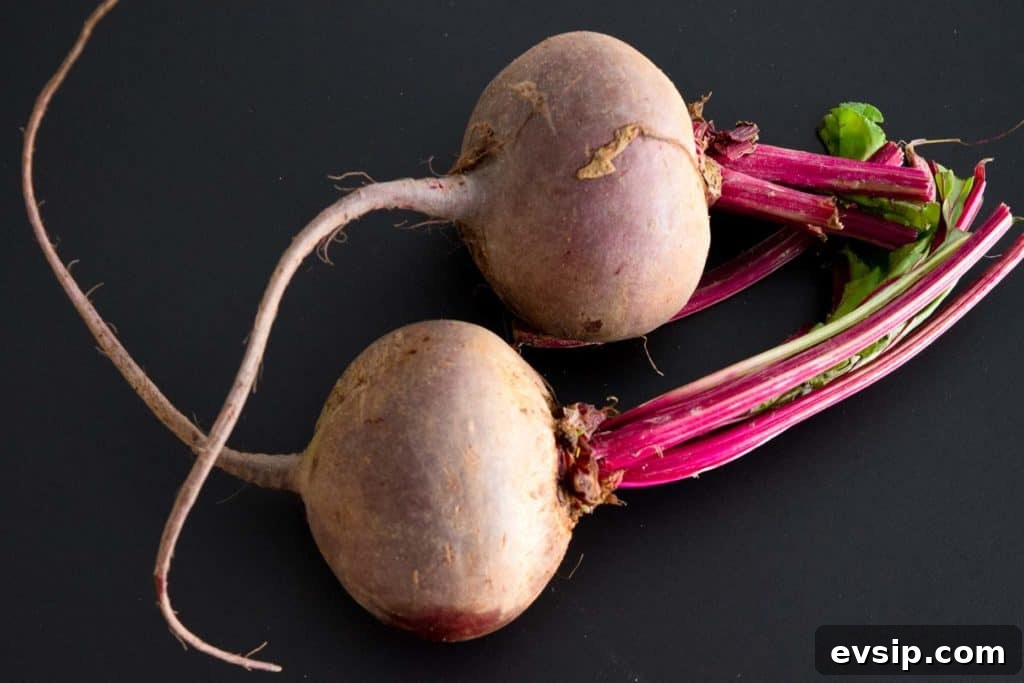
Beets return to the seasonal lineup in November. They shine when roasted or combined into salads with tangy cheese and bright dressings. If you’re skeptical, try them in a well-balanced beet salad to appreciate their earthy sweetness.
- How to choose them:
- Select round, smooth beets without cuts, soft spots, or flabby skin; a slender taproot is ideal.
- Fresh greens indicate freshness—look for crisp, dark green leaves. If greens are removed, at least an inch of stem should remain.
- Smaller beets are typically more tender and sweeter.
- How to store them:
- Remove greens before storing (leave an inch of stem) and keep beets unwashed in a sealed bag in the fridge for 10 days to 3 weeks.
- Alternatively, store in a cool, dark place. Check regularly for spoilage.
- Beet greens can be stored separately and used within a day or two.
- How to prepare them:
- Beet and Butternut Squash Salad with Apple Maple Vinaigrette
- Golden Beet Soup with Carrot and Ginger
- Beet, Sweet Potato and Walnut Salad
- Easy Refrigerated Pickled Beets
- Roasted Beet Dip with Fennel and Garlic
- Golden Beet Panzanella
Butternut Squash
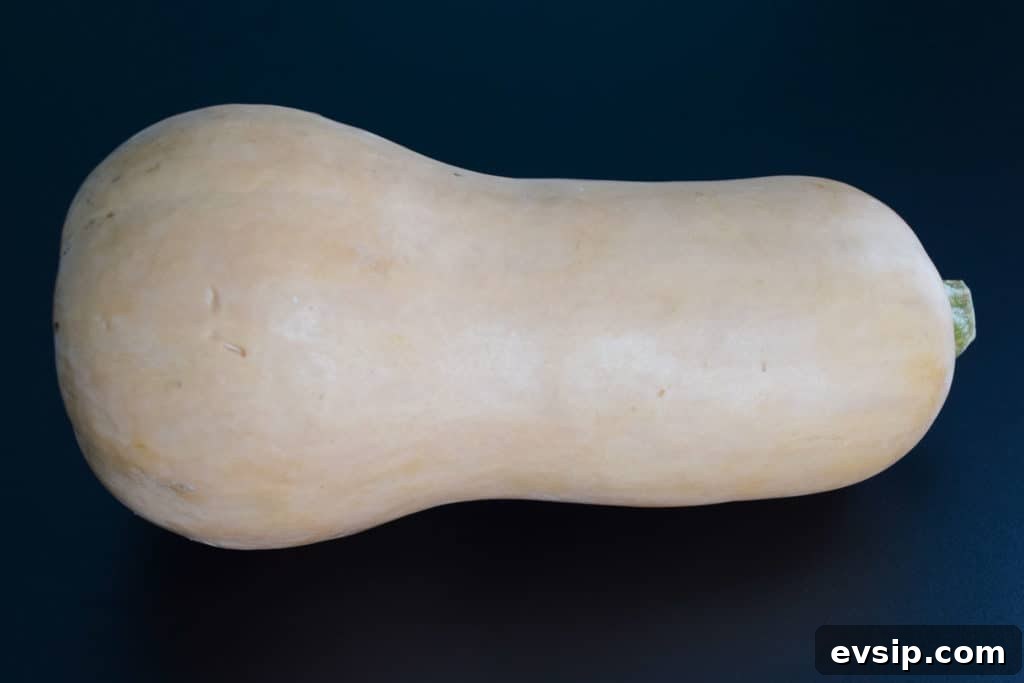
Butternut squash is a late-autumn favorite. If cutting one feels intimidating, look up simple guides for safe prep—once you master that, you’ll find endless ways to use its sweet, nutty flesh in soups, pastas, and roasts.
- How to choose it:
- Pick a uniform, matte beige squash without green streaks or brown patches. The skin should be firm and hard.
- A heavy squash for its size and an intact, firm stem indicate good quality.
- How to store it:
- Keep whole squash in a cool, dark spot for 1–3 months. Store on a shelf to avoid moisture from floors.
- Refrigerate cut squash wrapped tightly for up to 5 days; cooked squash also lasts about 5 days.
- Freeze chunks (raw or cooked) on a tray, then transfer to a freezer bag for up to 8 months.
- How to prepare it:
- Butternut Squash “Fries” with Magic Sauce
- Spicy Butternut Squash Soup
- Butternut Squash and Bacon Stuffing
- Butternut Squash Kale Stuffed Shells
- Cheesy Mexican Butternut Squash Casserole
- Baked Chickpeas with Butternut Squash Sauce
Carrots
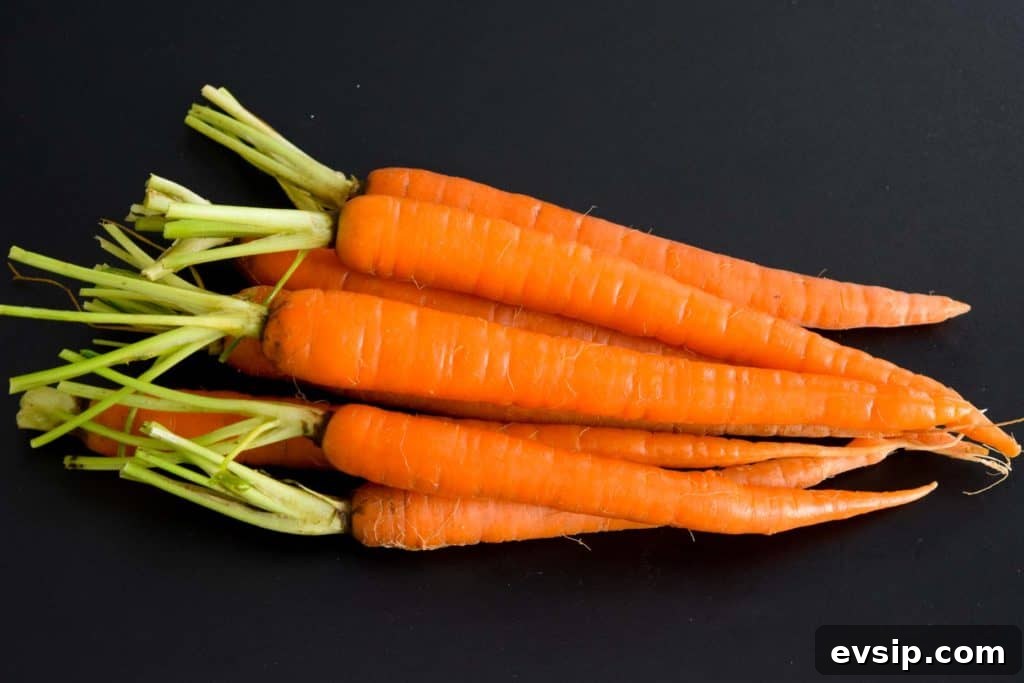
Carrots are a classic root vegetable staple—versatile, sweet, and dependable. They work raw, roasted, mashed, or in casseroles and soups.
- How to choose them:
- Select firm, bright orange carrots with smooth skin and green, crisp tops if present.
- Avoid pale, cracked, soft, or wilted specimens. Medium-sized carrots generally have the best texture.
- How to store them:
- Trim greens to reduce moisture loss and store carrots dry in an open bag in the crisper drawer.
- Keep them away from ethylene-producing fruits to slow aging. Carrots will stay good for several weeks in the fridge.
- How to prepare them:
- Instant Pot Mashed Carrots
- One-Ingredient Carrot Fettuccine
- Carrot Casserole
- Garlic Herb Carrots
- Spicy Carrot Dip
- Honey-Glazed Carrots
Kiwis
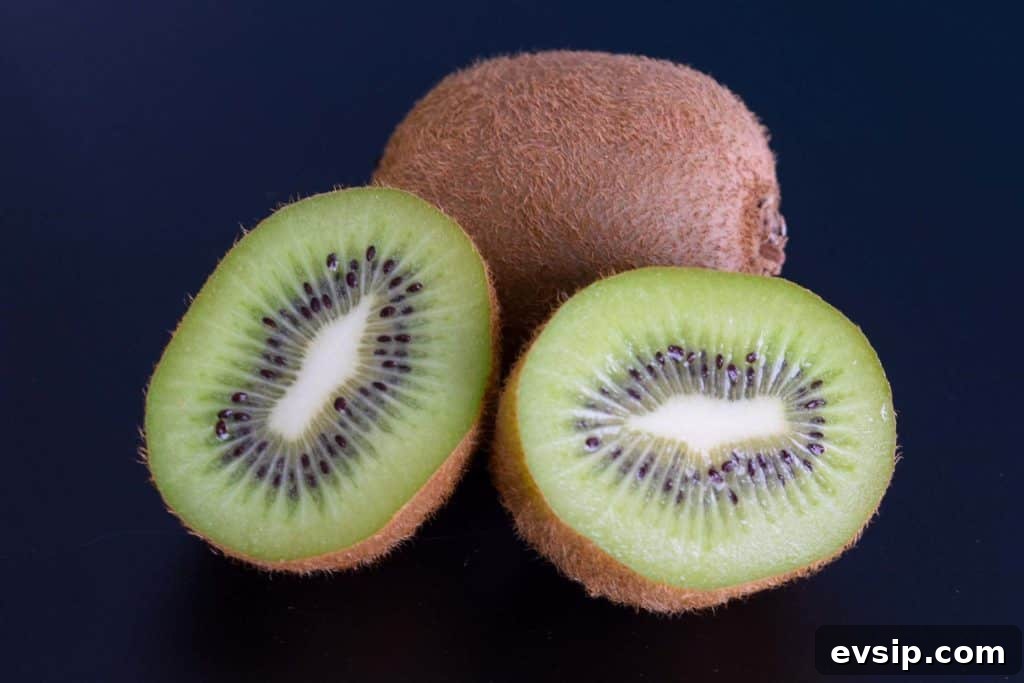
Kiwis pop up on many November lists and are a refreshing contrast to heavier root vegetables. Their bright acidity and tender texture are great in fruit salads or light desserts.
- How to choose them:
- Look for smooth, brown, slightly fuzzy skin without dark spots or wrinkles. Ripe kiwis give slightly to gentle pressure.
- Ripe fruit often has a fragrant, citrus-like aroma. Avoid mushy or overly wrinkled kiwis.
- How to store them:
- Speed ripening by placing unripened kiwis in a paper bag with an apple or banana for 3–5 days.
- Store ripe kiwis in the refrigerator until ready to use.
- How to prepare them:
- Tropical Fruit Salad in Kiwi Cups
- Chocolate-Dipped Kiwi Pops
- Kiwi Coconut Milk Chia Pudding
- Tropical Kiwi Crumble
Sweet Potatoes
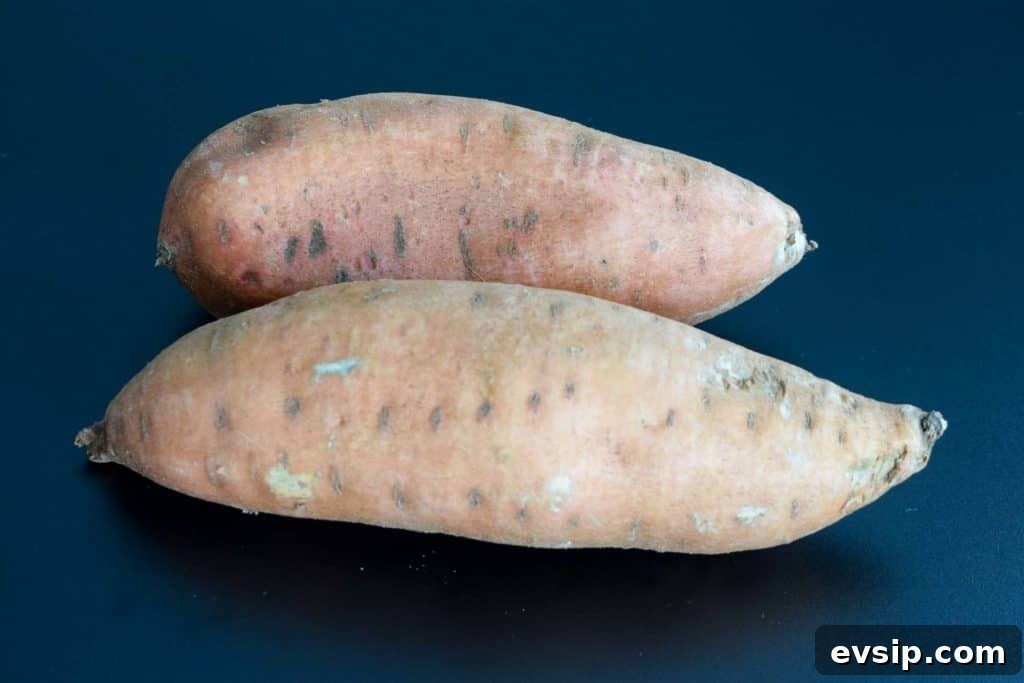
Sweet potatoes are quintessential for November menus. They add natural sweetness and creamy texture to both savory and sweet dishes.
- How to choose them:
- Small to medium tubers tend to be sweeter and creamier. Select firm potatoes with smooth, unblemished skin.
- Avoid wrinkled or soft specimens, as decay spreads quickly in sweet potatoes.
- How to store them:
- Do not refrigerate whole sweet potatoes; cold temperatures can cause a hard center and poor flavor.
- Store whole in a cool, dark pantry for 1–2 weeks. Cooked sweet potatoes keep in the fridge for 4–5 days; add a squeeze of lemon to prevent discoloration.
- How to prepare them:
- Homemade Sweet Potato Dinner Rolls
- Kale and Sweet Potato Stew with Cashew Coconut Cream
- Roasted Sweet Potato and Black Bean Enchiladas
- Garlic Goat Cheese Mashed Sweet Potatoes
- Sweet Potato Breakfast Toasts
- Roasted Sweet Potato Hummus
Pumpkin
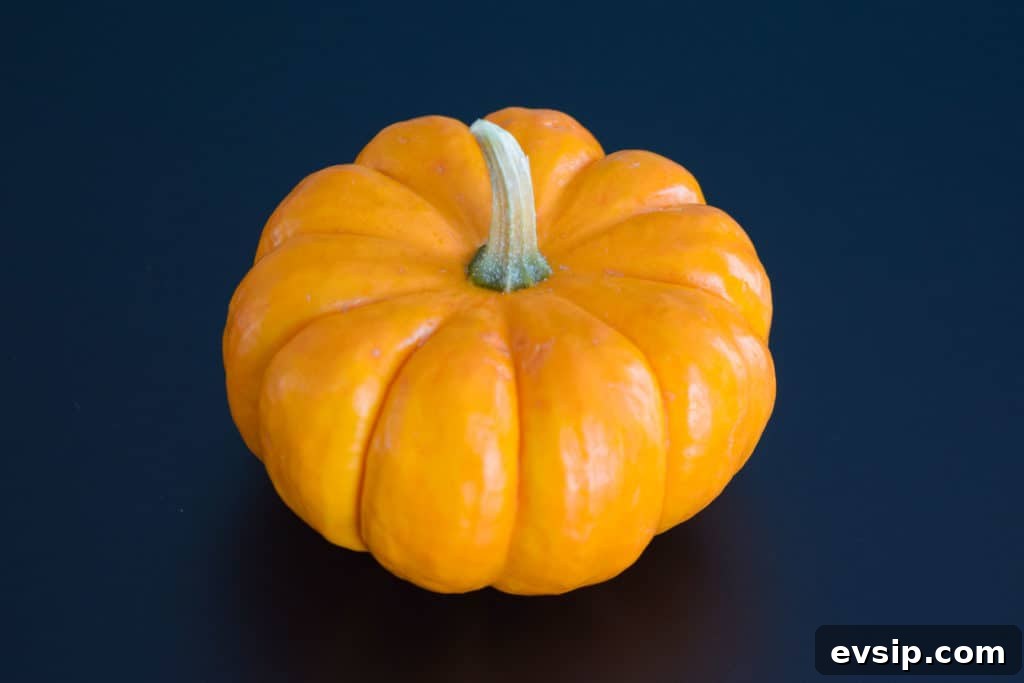
Pumpkins remain in season through November and are ideal for both traditional pies and savory applications. Use any surplus from Halloween to make pies, purees, or sauces for holiday meals.
- How to choose them:
- Select pumpkins with even, unblemished skin. Slightly dull skin often signals increased sweetness.
- Avoid soft spots or bruises and check the bottom for signs of rot. A dry brown or dark green stem is a good sign.
- How to store them:
- Store whole pumpkins in a cool, dark place for a few weeks. Once cut, wrap tightly and refrigerate for up to 5 days.
- How to prepare them:
- Pumpkin Cinnamon Rolls with RumChata Glaze
- Low-Carb Pumpkin Pie Pudding
- Chocolate Pumpkin Cupcakes
- White Lasagne with Pumpkin and Mushrooms
- 20-Minute Pumpkin Butter
- Pumpkin Ricotta Pasta with Spicy Sausage and Spinach
Turnips
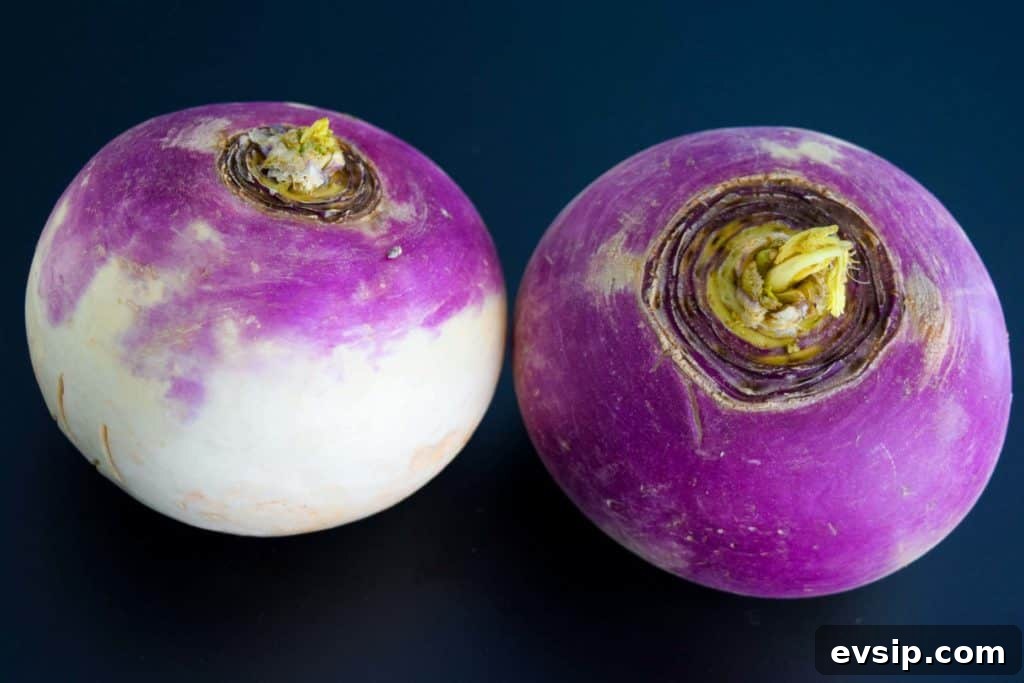
Turnips are often underrated but, when cooked well, offer a pleasant, slightly sweet flavor and firm texture that complements other winter roots.
- How to choose them:
- Look for turnips that are heavy for their size, with creamy bulbs and a violet ring near the top.
- Choose small turnips for tender texture and the best flavor; avoid cuts, nicks, or soft spots.
- How to store them:
- Wrap and refrigerate for 2–3 weeks. Remove greens before storage to prevent moisture loss; store greens separately for a few days if you plan to use them.
- How to prepare them:
- Easy Roasted Turnips with Lemon
- Mashed Turnip and Apple Casserole
- Carrot and Turnip Mash
That’s the November produce lineup. Enjoy these seasonal picks as you plan meals and holiday menus. For more month-by-month inspiration, check the next seasonal guide when it’s available.