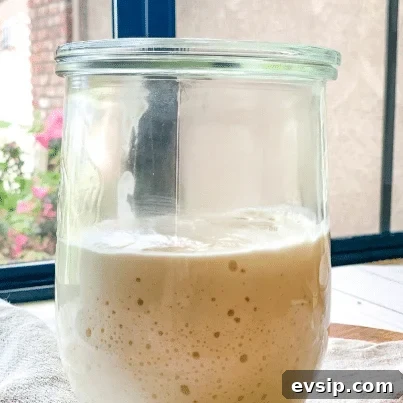
Are you wondering how to make a sourdough starter? It’s simpler than you might expect. With only flour and water, and a little patience, you can create a lively, fermented starter in about a week. Follow these clear steps, pro tips, and troubleshooting notes to guide you from day one to a dependable, active starter ready for baking.
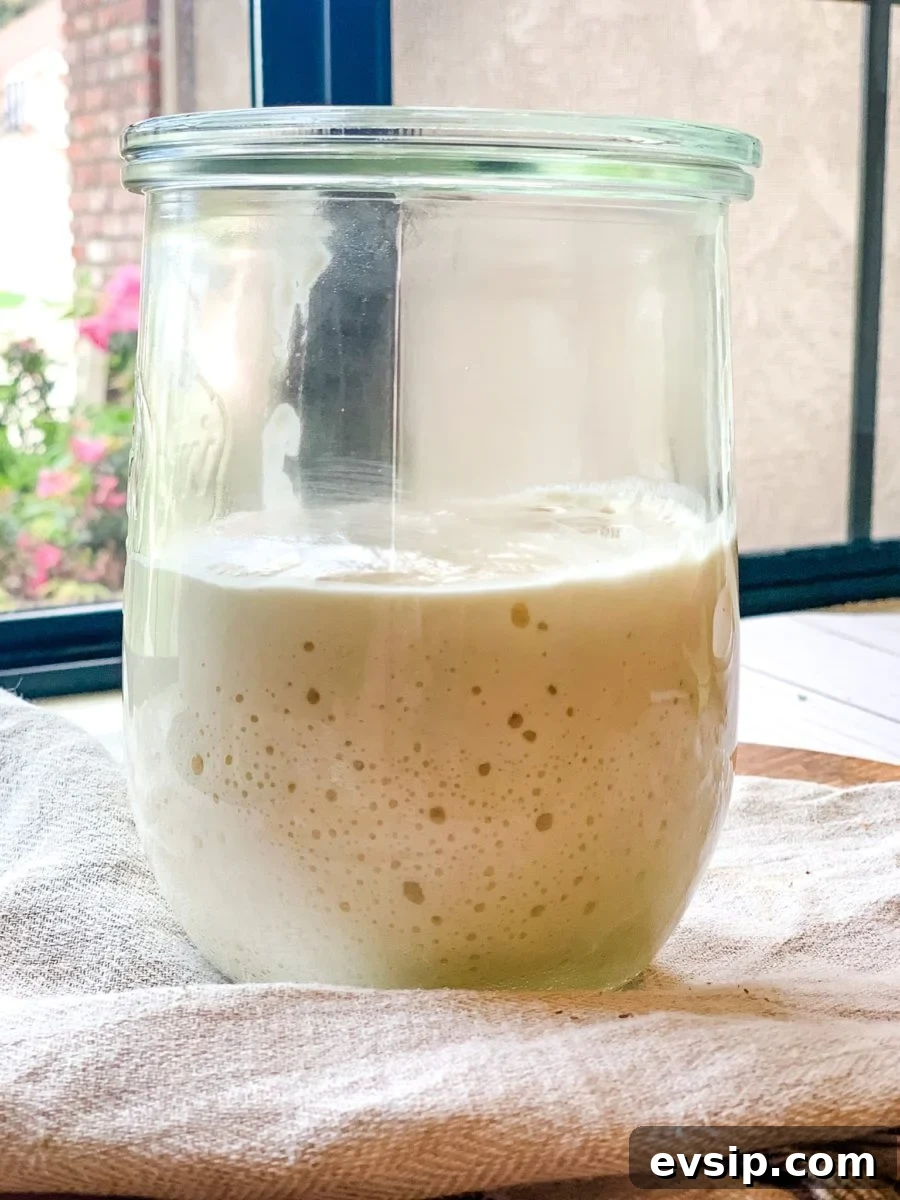
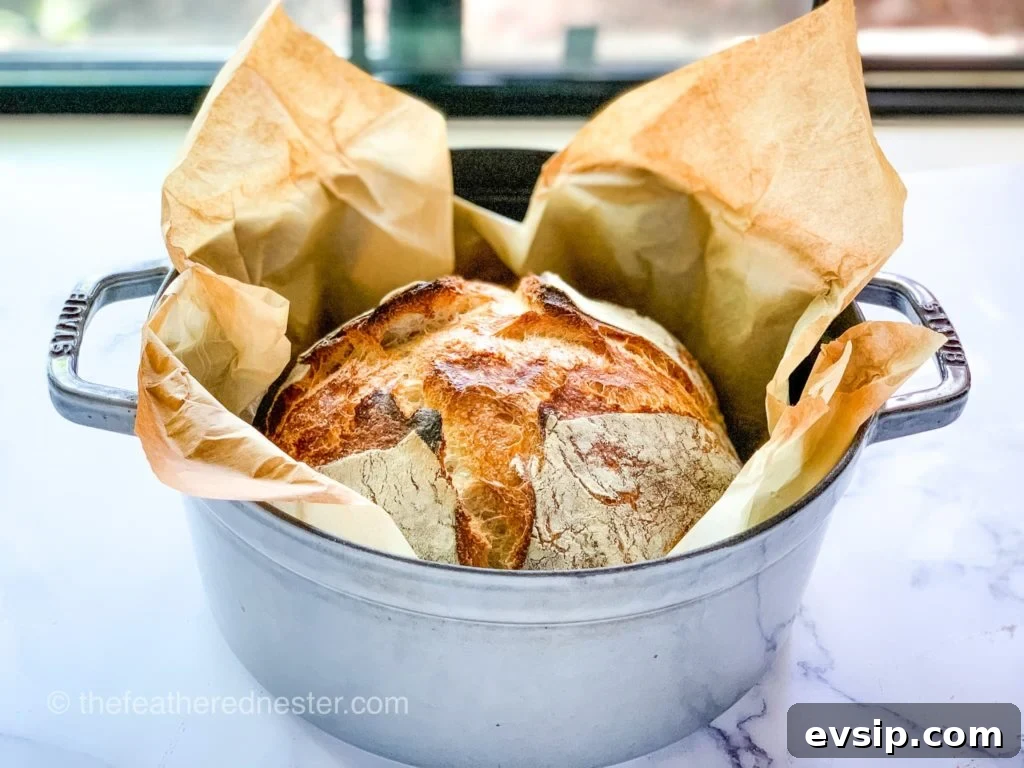
Already have a starter? Jump straight into baking a loaf of sourdough bread with your starter.
Content Covered Here
How I Got Started
Many people believe making a sourdough starter from scratch is difficult. I once relied on a friend’s starter before learning how simple the process is. Sourdough starter is wild, natural yeast: just water and flour fermented in a warm spot over time. This living culture needs nutrients, air, and warmth, and will show daily bubbly activity as it develops.
A cautionary note from experience: don’t leave a jar of starter in an oven when you turn it on. Once you have a starter, consider keeping a backup so you don’t lose it.
Ingredients You’ll Need To Get Started
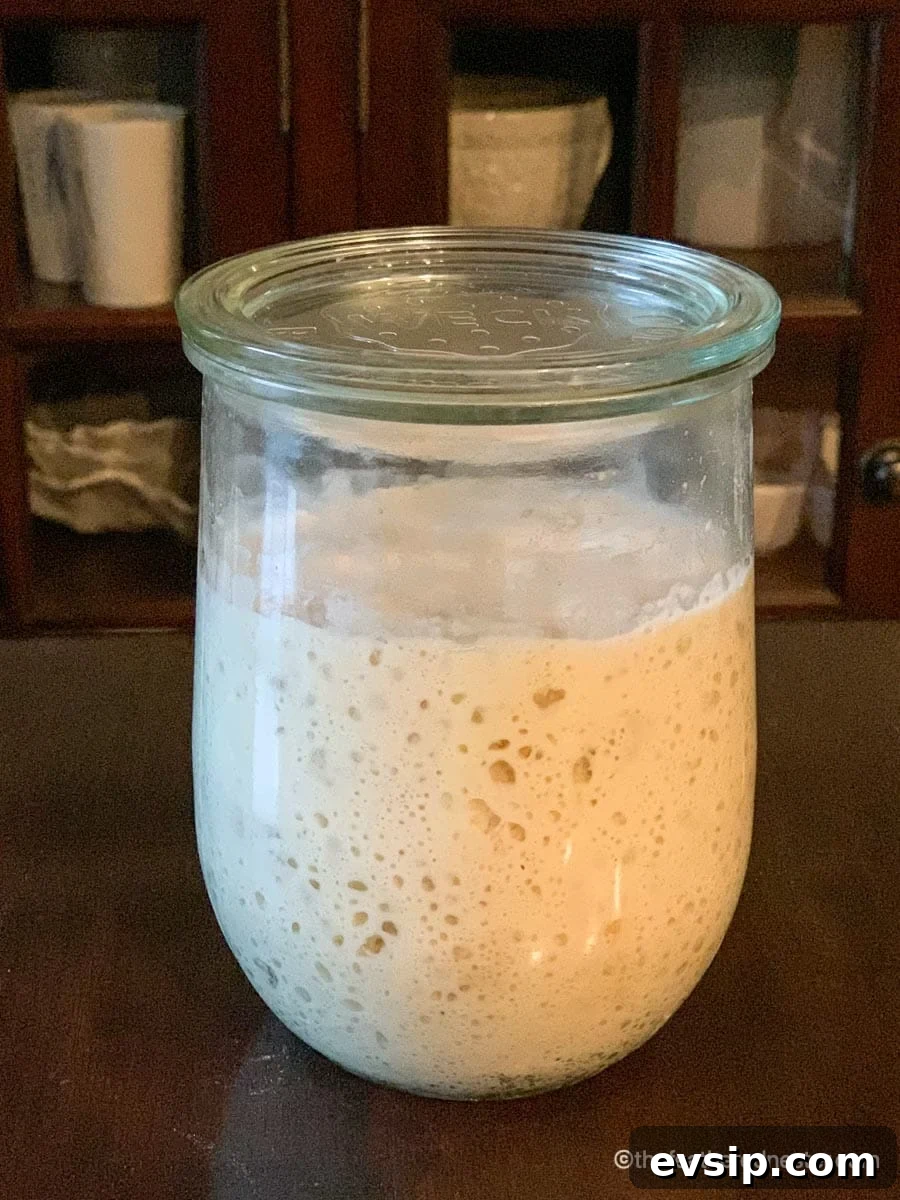
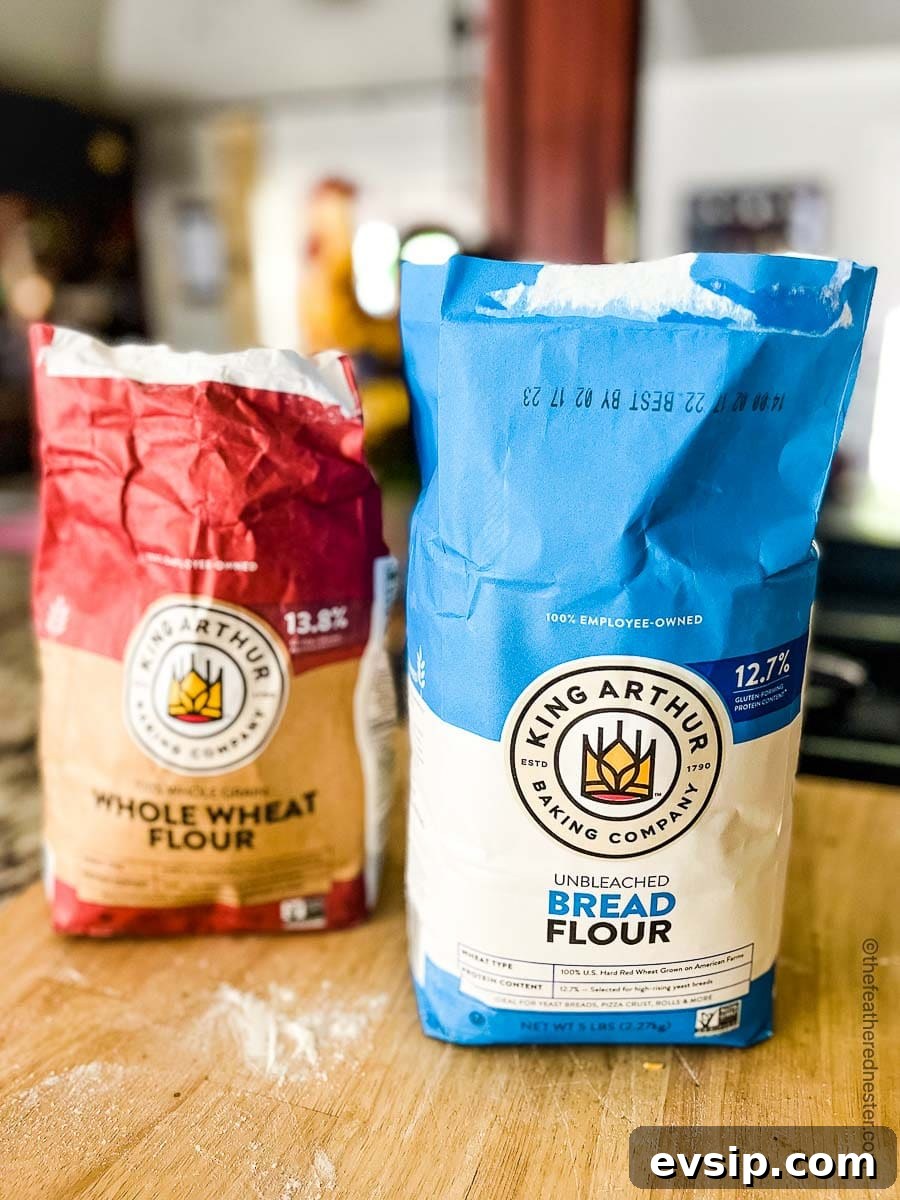
You only need two ingredients: flour and water. However, the type of flour and water matters for success.
The Best Flour to Use
- Feed and maintain your starter with unbleached, all-purpose flour. Use the same brand for the first few weeks to keep protein levels consistent. Bleached flour can reduce activity over time; bread flour is an acceptable substitute if needed.
- For a stronger initial boost, start day one with a small amount of rye or whole wheat flour. Rye encourages faster fermentation and activity, but unbleached all-purpose will still work fine.
🎯 Pro Tip
Unbleached flour preserves the grain’s natural yeast and beneficial bacteria; bleaching strips some of that natural coating.
Filtered Water
Tap water can contain chlorine, which can inhibit fermentation. Use filtered water when possible. If you must use tap water, let it sit uncovered for 24 hours to allow chlorine to dissipate.
🎯 Pro Tip
If an organic flour starter seems sluggish or overly thick, try switching to non-organic flour for a few feedings to boost activity.
This recipe uses 100% hydration, meaning equal weights of flour and water. A digital scale is useful; if using cups, note that water weighs more than flour (so volume measures differ).
The Best Environment for Sourdough Starter Fermentation
Temperature is critical. Keep your starter warm to encourage fermentation. An ideal range is 75–85°F (24–29°C). Too-cool conditions slow activity and are the most common cause of starter problems.
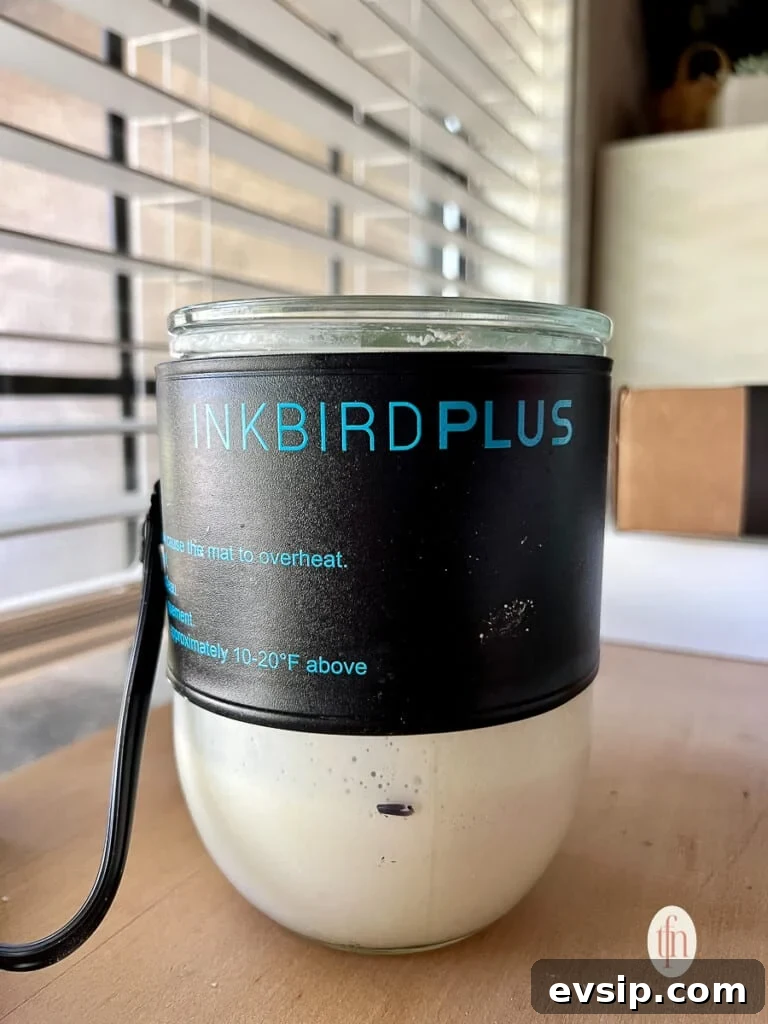
If your home is cooler, consider a low-wattage heating wrap around the jar to maintain a consistent, gentle warmth.
🎯 Pro Tip
A kombucha wrap or seedling heating mat wrapped around the top third of the jar provides ideal indirect warmth. Avoid keeping the starter in total darkness or in an overly warm spot for more than the first 12 hours—starters need air and some light.
Sourdough Starter Recipe
Day 1
In a clean 1-liter glass, ceramic, or stoneware jar, combine:
- 1 cup (120 g) unbleached all-purpose, rye, or whole wheat flour
- 1/2 cup (120 g) warm filtered water (85–90°F / 29–32°C)
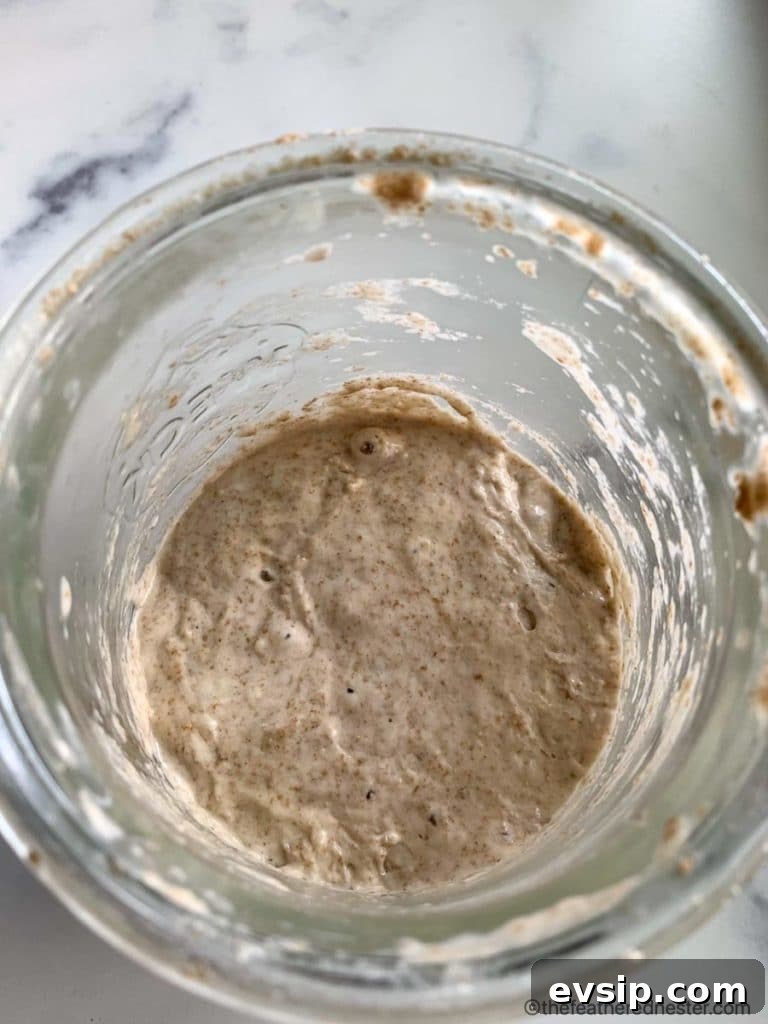
Stir until combined. The mixture will be thick and pasty—do not thin it. That texture provides the fermentable food the starter needs. It will thin and become more bubbly within 12–24 hours after feedings.
Day 2
Look for tiny bubbles along the bottom or pinprick bubbles on top. If nothing appears after 24 hours, confirm the jar is in a warm spot, around 75–80°F.
How and When to Feed a Sourdough Starter
Feeding is simply removing a portion and adding fresh flour and water. The removed portion is called “discard.” For the first five days, throw away discard; the starter is not yet fully mature. Once established, save discard for recipes that use it.
Day 3
- Remove 1/4 cup (60 g) of starter and discard it.
- Add 1/4 cup (60 g) warm filtered water, stir, then add 1/2 cup (60 g) unbleached all-purpose flour. Stir to combine.
🎯 Pro Tip
Add water before flour when feeding; it makes mixing easier.
Day 4
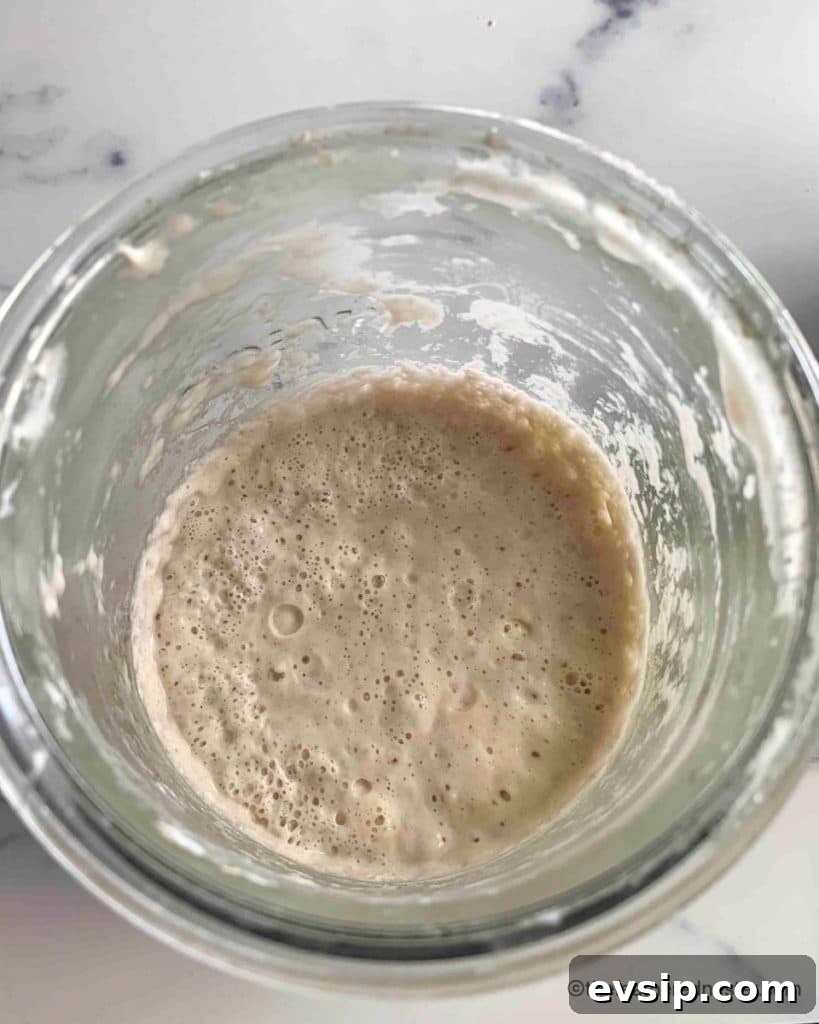
Your starter may smell strong—that’s normal. Repeat the day 3 feeding: discard 1/4 cup (60 g), add 1/4 cup (60 g) warm filtered water, then 1/2 cup (60 g) flour.
Day 5
Repeat the feeding. Depending on temperature and altitude, your starter may already be quite active. If it consistently doubles in size within 4–6 hours of feeding, you can use it for lower-rise recipes like pancakes, tortillas, or sourdough cake. For bread, wait until around day 7.
Feeding Days 6 and 7
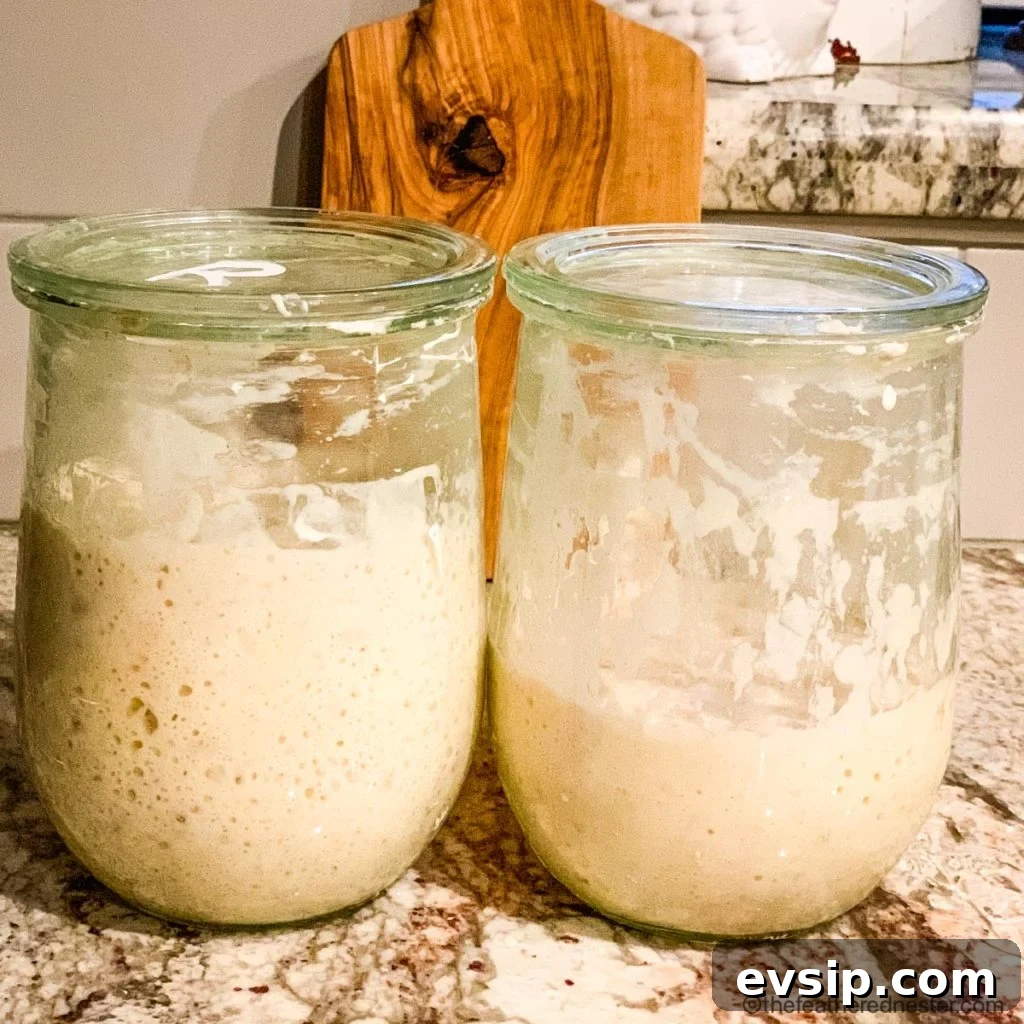
By day 6 your starter should be very active and bubbly.
Day 6
- Remove 1/4 cup (60 g) starter (discard or save for discard recipes).
- Add 1/4 cup (60 g) warm filtered water and 1/2 cup (60 g) unbleached flour. Stir well.
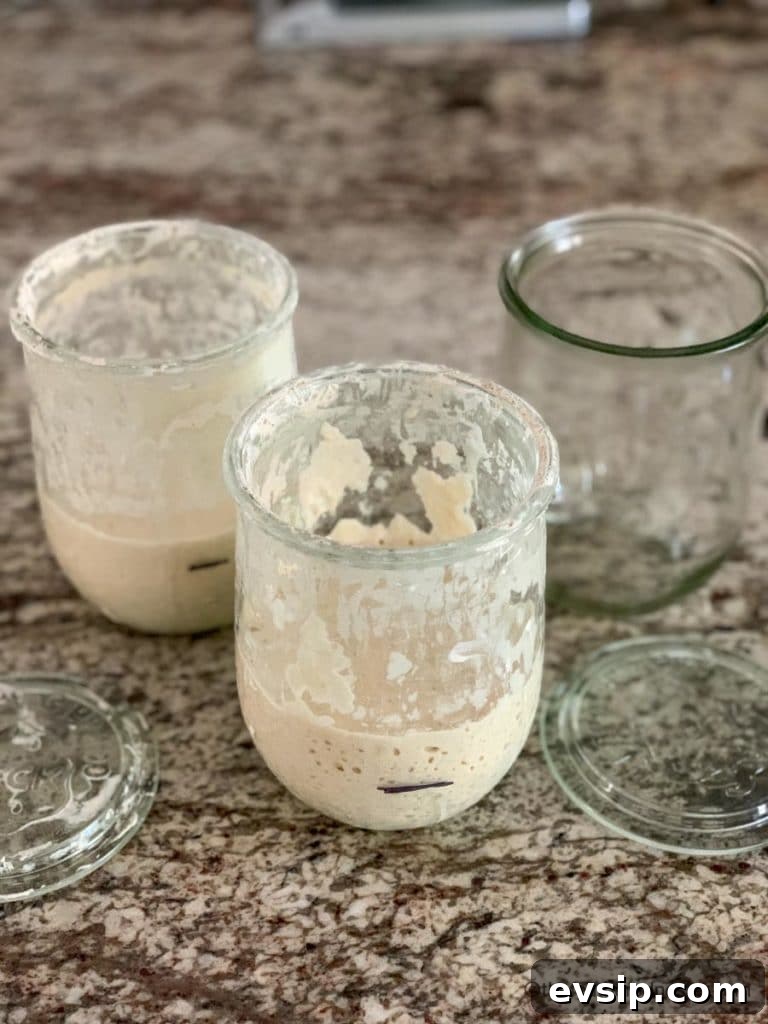
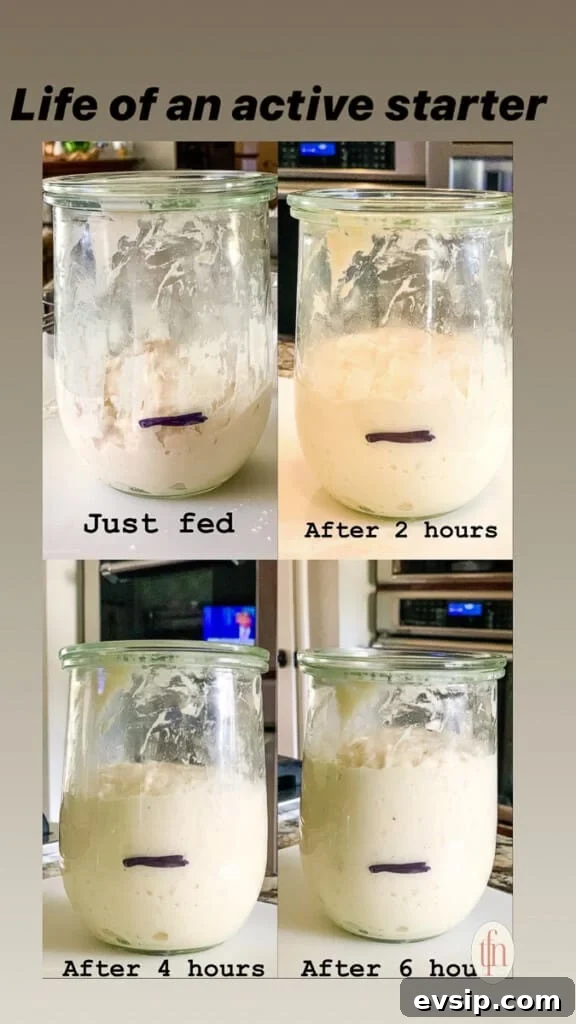
After feeding, many starters double in size within 4–6 hours and will resemble a spongy network of bubbles.
Day 7
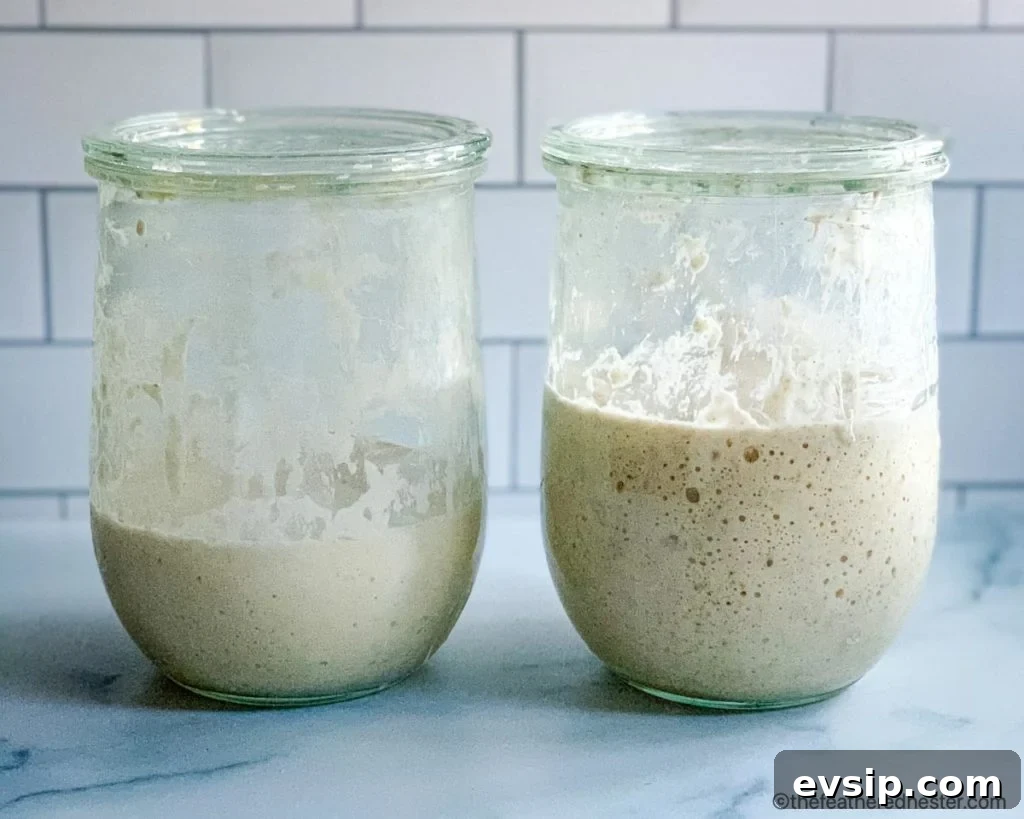
If your starter doubles in 4–6 hours after feeding and looks spongy and bubbly, it’s ready for bread. If not, continue daily feedings until it reliably doubles within that window. The starter will strengthen over weeks of consistent feeding.
Knowing When Your Starter is Ready to Use
🎯 Pro Tip
Mark the level of the starter in the jar with an erasable marker or rubber band right after feeding. Set a timer for 4 hours—check how high it has risen. If it hasn’t doubled by 4 hours, check again at 6 hours. Tracking rise and fall is the best measure of strength.
Signs of an active starter:
- At least 5 days old for low-rise recipes or 7 days for bread.
- Consistently doubles in size within 4–6 hours after feeding.
- Has a spongy texture filled with bubbles.
The common “float test” is not a reliable indicator—some active starters never float but still bake excellent bread.
Care and Maintenance
Sourdough starter is a living culture that requires regular feeding.
For weekly or less frequent use: Store the starter in the refrigerator. Remove it about 12 hours before using, discard or save part of it as needed, then feed the remaining starter.
For daily use: Keep the starter at room temperature and feed once daily. It will be active 8–12 hours after feeding and ready for baking.
How to Bake With Your Sourdough Starter
Feed the starter about 12 hours before you plan to bake: remove 1/4 cup (60 g) and set it aside for the recipe, then add 1/4 cup (60 g) warm filtered water and 1/2 cup (60 g) flour to the starter left in the jar. Use the reserved fed starter in your dough once it’s at peak activity.
How to Increase The Amount of Starter
If a recipe requires more starter than you have, you can increase it in two ways:
- Feed the starter without discarding: For example, if you have 1 cup of starter, add 1 cup water and 2 cups flour (or scale by weight).
- Divide and grow: Split the starter into two containers and feed both until you reach the amount you need, keeping a portion back to maintain your culture.
You can also dry starter for long-term backup and rehydrate it later.
Container Recommendations
Use a glass, ceramic, or stoneware container. Avoid plastic and metal for long-term storage. A 1-liter Weck tulip jar or similar glass jar works well and allows you to watch activity as your starter develops.
Recipe FAQs
While you can use bread flour, it’s not ideal for starting a new culture. After about 7 days, a starter will be active and can be maintained with bread flour if desired.
Discarding keeps the starter a manageable size and refreshes it with new food. For the first five days, discard should be thrown away; later you can use discard for recipes.
Yes. During fermentation scents can change from sweet or fruity to tangy or yeasty. A range of aromas is normal; trust visual activity (bubbles and rise) over scent alone.
Check temperature (aim for 75–85°F), the type of flour (unbleached all-purpose or a rye boost helps), and the water (filtered and warm). If conditions are right, give it another day or two—activity often appears later.
Consider Making These Easy Sourdough Recipes…
- Chocolate Sourdough Bread Recipe
- Sourdough Discard Naan
- Discarded Sourdough Pancakes
- Discard Chocolate Chip Cookies
If you tried this sourdough starter recipe or any recipe from this guide, please leave a star rating and share how it went in the comments. Happy baking!