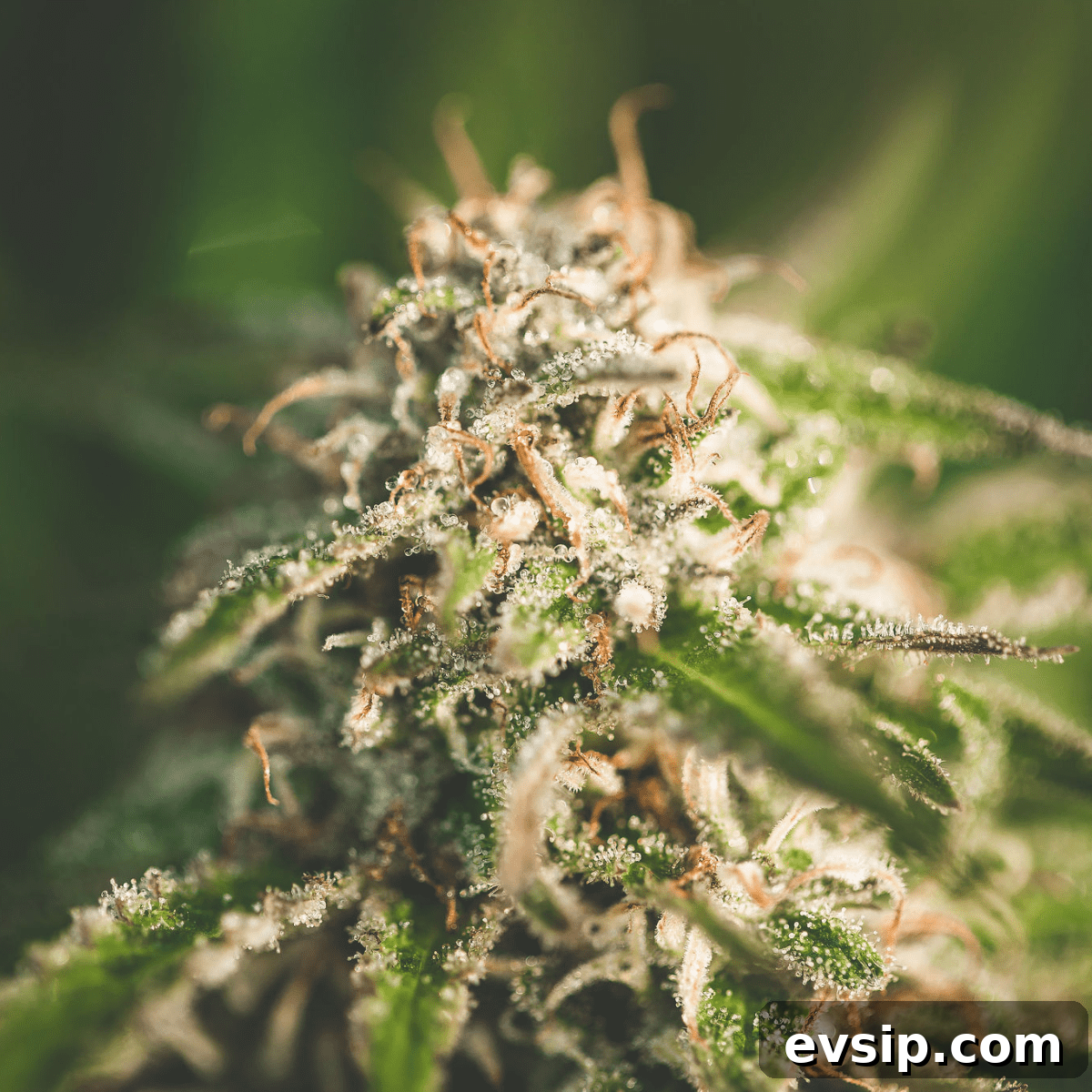
Have you heard of cannabis trichomes before? If you use cannabis in any form, understanding trichomes will improve your experience. They are one of the most important parts of the plant and knowing how to identify and extract them can help you get the most from your products.
Article Features
- Why trichomes are the most essential part of the plant
- How to identify where trichomes grow on the plant
- Want to skip the hard work? Shop with me and have premium, high-quality cannabis products delivered directly to your door! Now shipping across the US.

Why You Will Love This Guide
Like other plants that produce vitamins and beneficial compounds, the cannabis plant produces trichomes. These tiny glands are where many of the plant’s active compounds reside.
So what are trichomes, and why are they so important?
Trichomes are central to your cannabis experience because they contain cannabinoids that interact with your endocannabinoid system.
Trichomes explain why some strains are more potent than others and why aromas differ so much between varieties.
This topic is valuable for members of my Well With Cannabis Community, so I created this guide to help you get the most from your plants — whether you’re using them for edibles, topicals, or other homemade products.
Below we’ll cover what trichomes are, where they grow, and the best ways to get their beneficial compounds into your recipes.
🎥 Watch the Video
Prefer a visual walkthrough? Watch the full video for a closer look and step-by-step demonstrations.
What Are Trichomes?
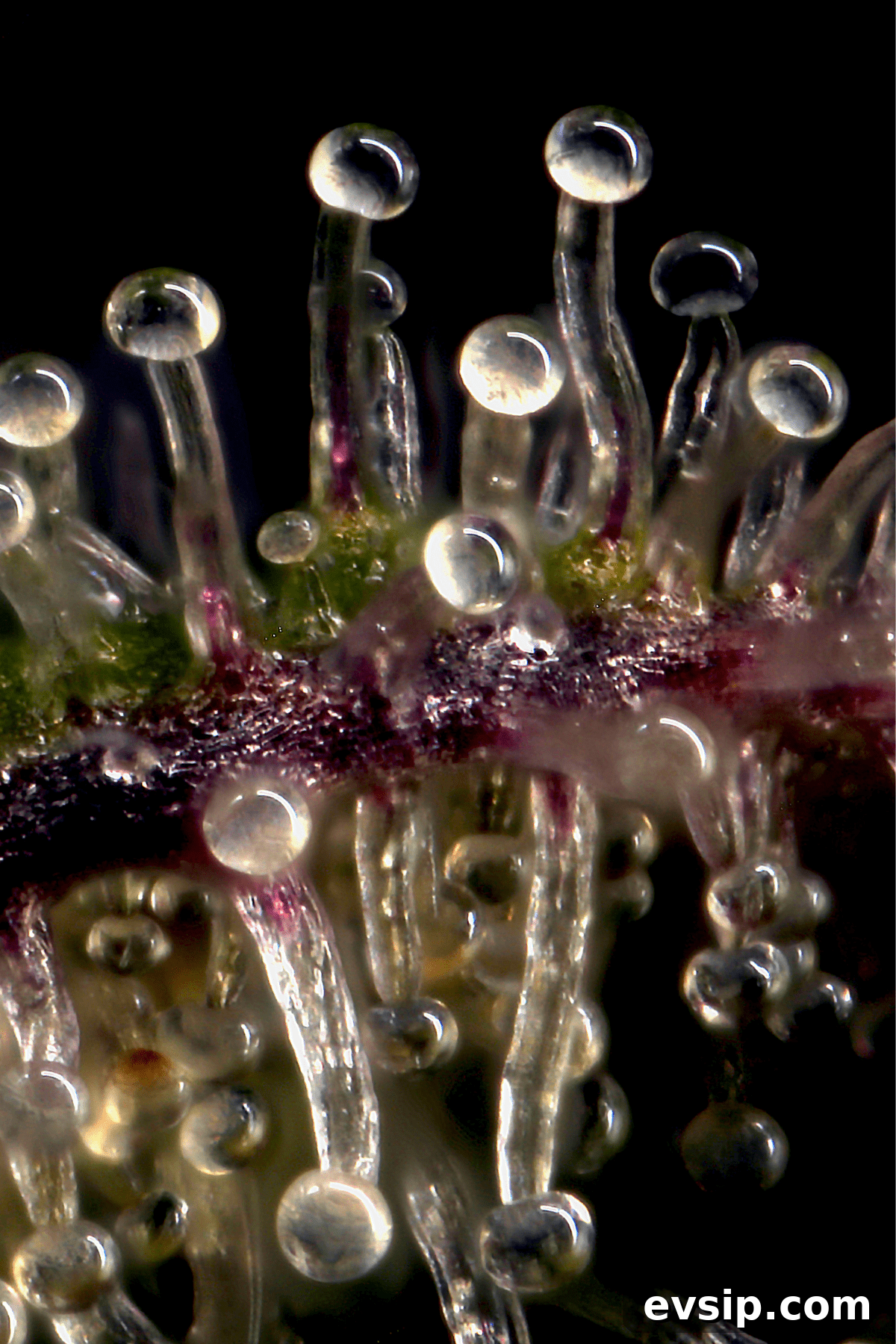
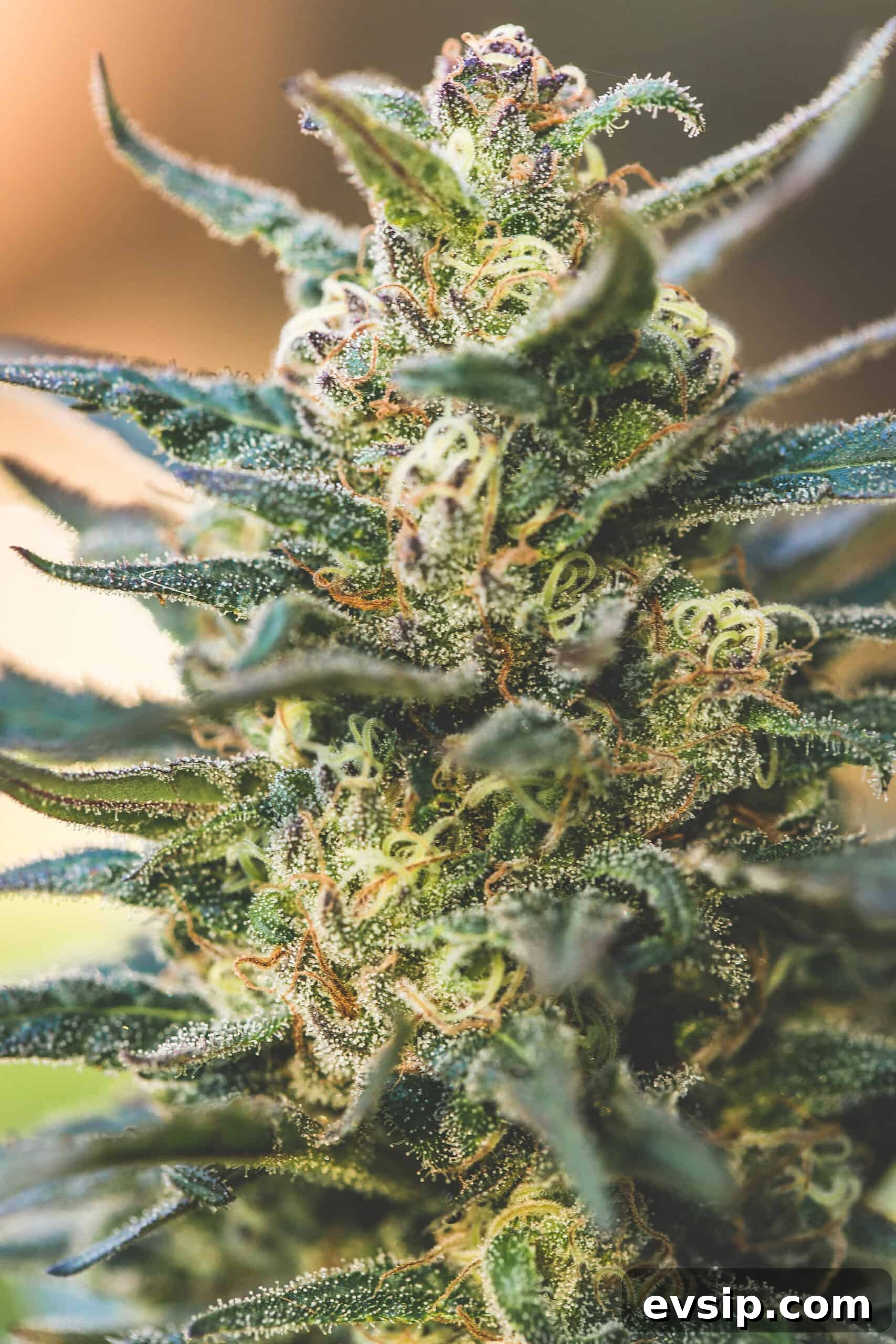
Cannabis trichomes are tiny, crystal-like, sticky glands found on the leaves and buds of the plant. The term comes from the Greek for “hairs,” reflecting their fine, filament-like appearance.
These glands store cannabinoids and terpenes — compounds associated with many therapeutic and recreational effects.
Common cannabinoids include THC, CBD, CBN, and CBG, while terpenes are aromatic molecules that influence smell, flavor, and some aspects of effect.
Together, cannabinoids and terpenes shape a strain’s potency, flavor, and the so-called Entourage Effect. Trichomes appear across the plant but concentrate in flowers, bracts, calyxes, sugar leaves, and small stems. They are much less common on fan leaves, roots, or main stalks.
Trichome Life Cycle
Trichomes are generally absent during the vegetative stage and begin to appear as the plant moves into the flowering phase. Mid-season you may notice resin glands forming around developing buds.
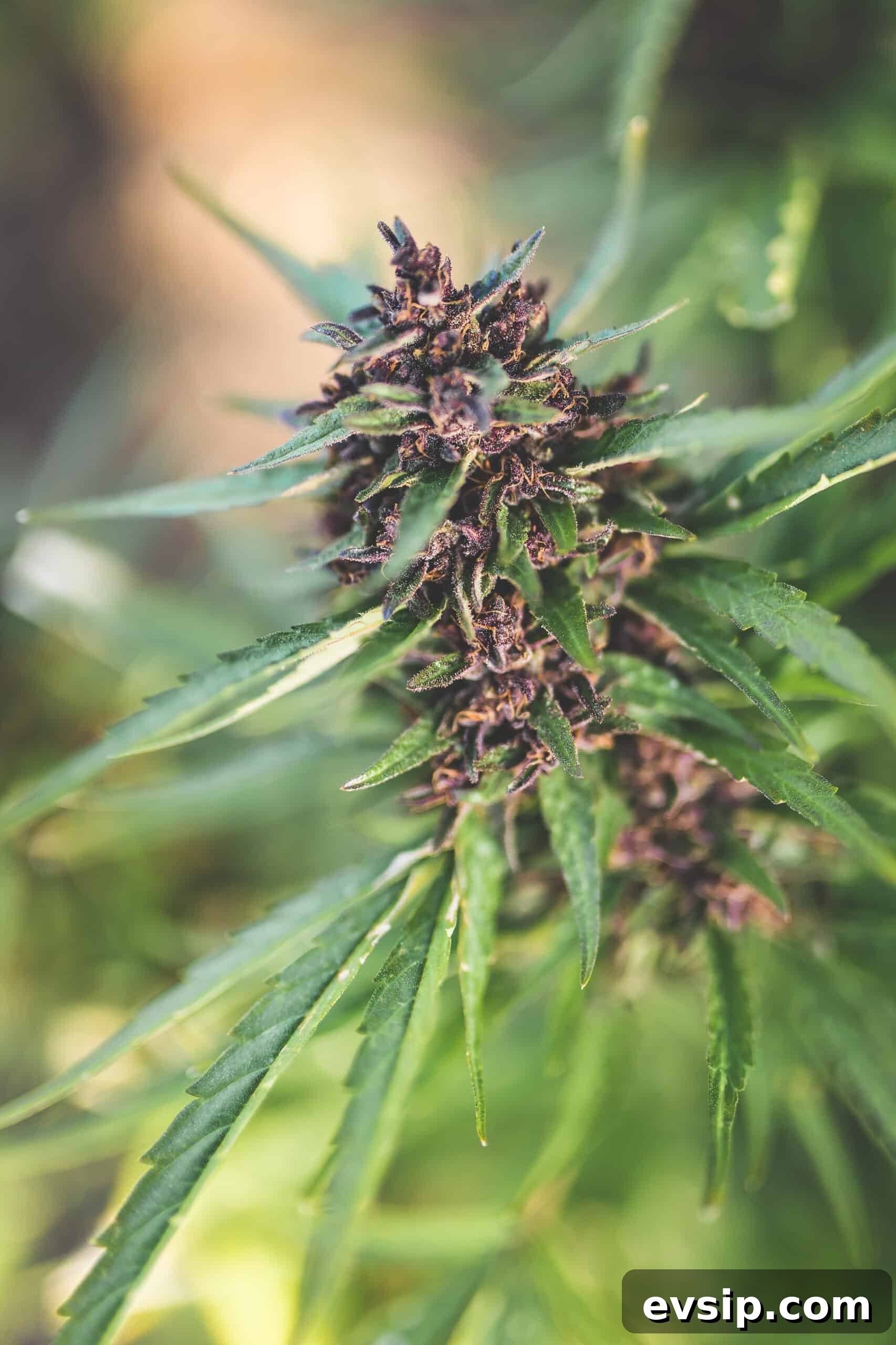
During flowering, female plants ramp up trichome production as they approach harvest. By the time the plant is ready to cut, trichomes often coat the flower surfaces.
Trichome production varies by genetics and environment. Stressful conditions can reduce their development, so maintaining good growing conditions is important for maximum resin production.
Why They Are Important
To most consumers, trichomes are the most valuable part of the cannabis plant because they produce the medicine: cannabinoids and terpenes. The specific types and concentrations of these compounds determine a strain’s effects and potency.
After extracting trichomes, much of the remaining plant matter is less relevant for psychoactive or therapeutic effects, though the plant still has nutritional value for some uses.
Different Types of Trichomes
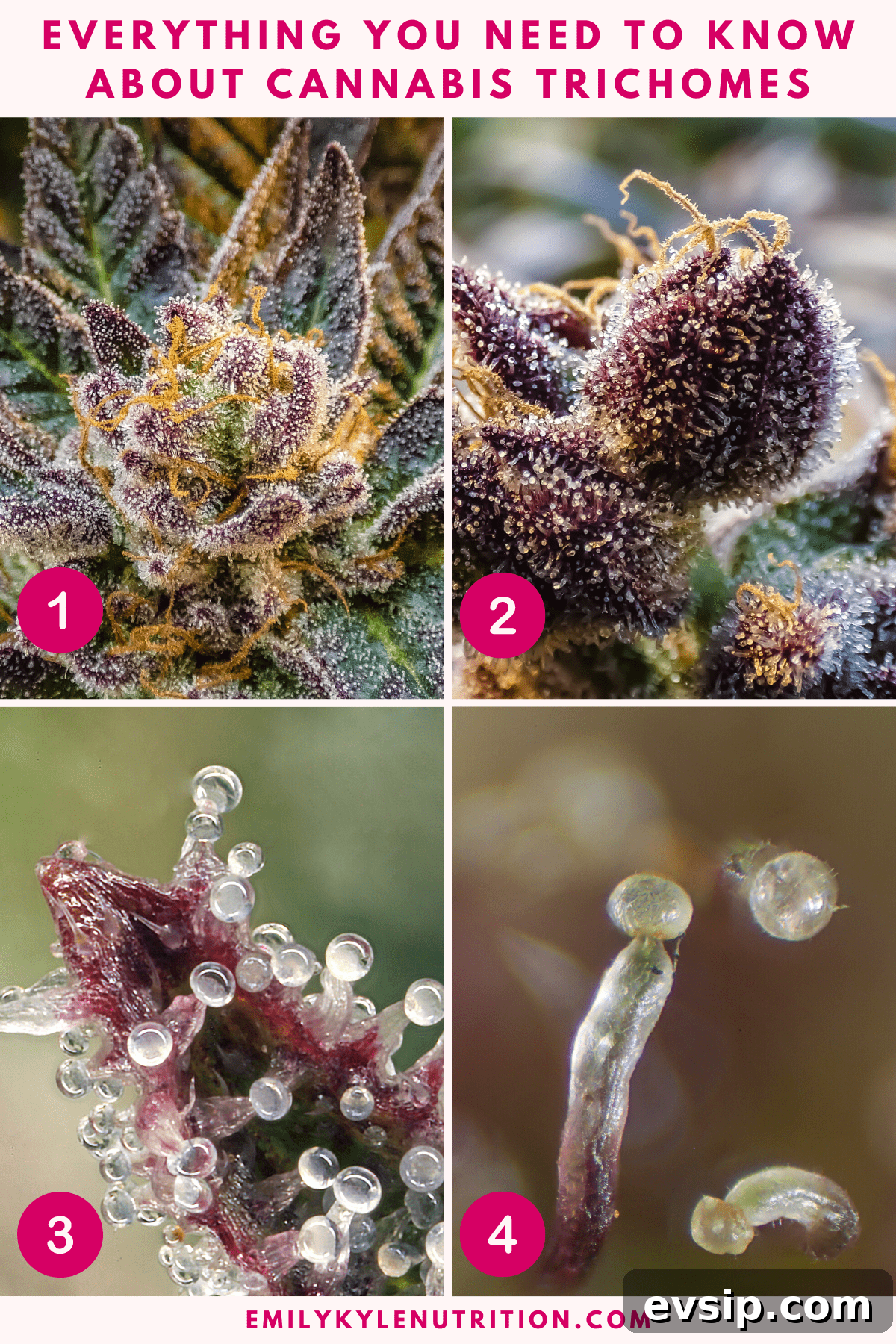
Research shows trichomes come in multiple shapes and sizes. They generally fall into two categories: glandular (which store cannabinoids) and non-glandular (which can store defensive compounds).
The three main trichome types are:
- Bulbous
- Capitate-Sessile
- Capitate-Stalked
Bulbous Trichomes
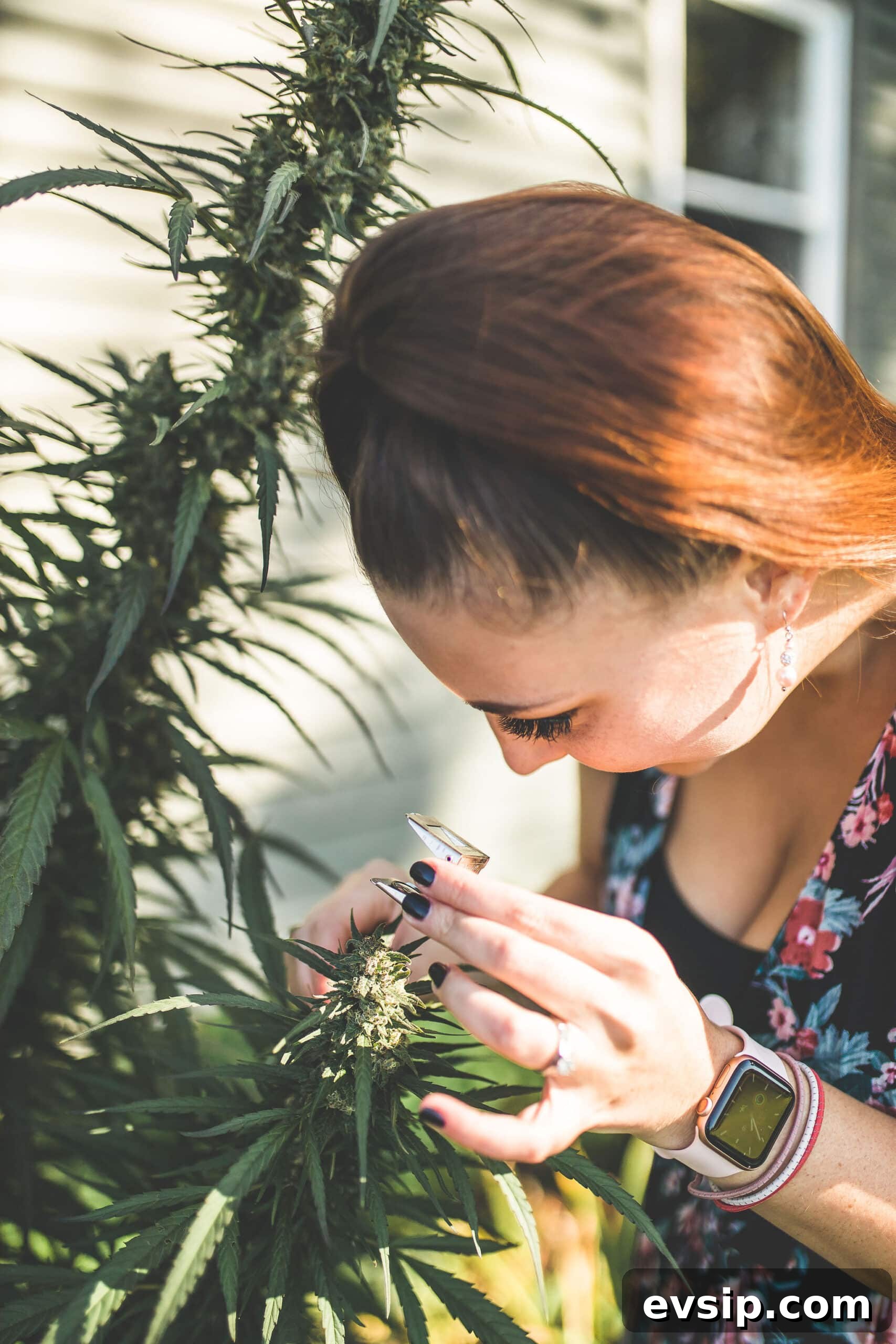
Bulbous trichomes are the smallest and most numerous. They coat leaves and plant surfaces but are too small to see without magnification and require a jeweler’s loupe or microscope to inspect closely.
Capitate-Sessile Trichomes
These are larger than bulbous trichomes and often occur singly or in pairs on leaves. They produce cannabinoid acids such as THCA, CBDA, and CBGA and are commonly found on the undersides of leaves and on reproductive organs of female plants.
Capitate-Stalked Trichomes
Capitate-stalked trichomes are the largest and most visible type, often seen in close-up photos. They store the highest concentrations of cannabinoids and occur mainly on flower buds.
Color of Trichomes
Experienced cultivators use trichome appearance to judge harvest timing because color correlates with chemical changes. With a jeweler’s loupe you can observe three general stages:
- Clear trichomes
- Cloudy trichomes
- Amber trichomes
Clear Trichomes
Clear trichomes are seen early in maturation. Many users associate clear trichomes with a lighter, clearer-headed experience. If you prefer that effect, earlier harvests may be best.
Amber Trichomes
Amber trichomes represent a later stage when the plant has produced high levels of trichomes, terpenes, and cannabinoids. Many growers and users associate more amber trichomes with sedative or more relaxing effects.
Cloudy Trichomes
Cloudy trichomes are intermediate between clear and amber and are often linked to a balanced, moderate effect. If you cultivate your own plants, monitor trichome color to match your preferred outcome.
How To Get Trichomes Into Food
When making homemade edibles, the goal is to transfer the trichomes’ active compounds into your food without excess plant material or unwanted flavors like chlorophyll.
Three common methods to incorporate trichomes into food are:
- Adding decarbed cannabis flower or kief directly to recipes.
- Infusing cannabinoids into a fat (oil or butter) to extract trichomes into the lipid.
- Using a solvent such as high-proof alcohol to extract trichomes and then evaporating the liquid.
Each approach has pros and cons; choose based on potency, flavor preferences, and the equipment or safety measures you have available.
Add Decarbed Flower To Food
The simplest method is to decarb and grind cannabis flower or kief and add it directly to food. This preserves trichomes without losses from extraction. The downside is you will have cannabis taste and texture in the final product.
If the flavor isn’t an issue, decarbed, finely ground flower can be the quickest route. Use a fine grind — a coffee grinder works well — to create a powder that blends into recipes like other dry seasonings.
Fat Infusions
Infusing cannabis into fat is one of the most popular methods. Decarb the flower, then warm it gently with oil or butter. Cannabinoids are lipophilic and transfer into fats over time; afterwards strain the plant matter to leave an infused oil or butter.
Some resin and trichomes will remain in the leftover plant material, but the infused fat contains most of the active compounds for cooking and baking.
Infusions To Try

All Things Cannabis Oil
Easy Cannabis-Infused MCT Oil
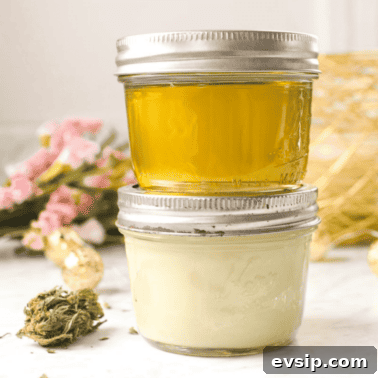
Cannabis Infusions & Extractions
Easy Cannabis Coconut Oil Recipe
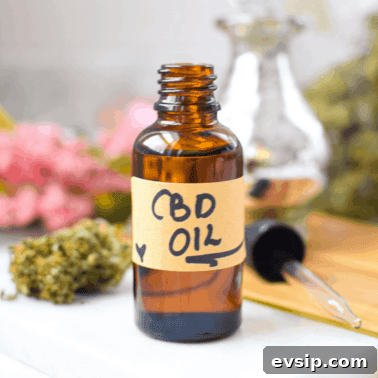
Cannabis Infusions & Extractions
Easy Homemade CBD Oil Recipe
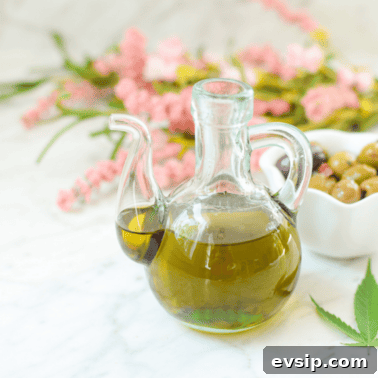
All Things Cannabis Oil
How to Make Cannabis Olive Oil
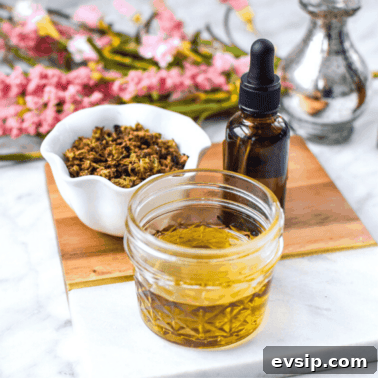
Cannabis Infusions & Extractions
How to Make AVB Edibles with Already Vaped Bud

Cannabis Infusions & Extractions
How to Make CBN Oil for Sleep
Alcohol Extraction
Alcohol extraction uses a solvent such as high-proof grain alcohol to strip trichomes from plant material, suspending cannabinoids and terpenes in the liquid. Many then evaporate some or all of the alcohol to produce concentrated full-extract oils.
Extractions can yield potent results, but they require safety precautions: high-proof alcohol is flammable and should be handled and evaporated with care.
Extractions to Try
Cannabis Infusions & Extractions
Easy Green Dragon Recipe — Cannabis Alcohol Tincture
Cannabis Infusions & Extractions
Golden Dragon QWET Cannabis Freezer Tincture
Cannabis Infusions & Extractions
How to Make a THCA Tincture
Cannabis Infusions & Extractions
How to Make a CBDA Tincture
Cannabis Infusions & Extractions
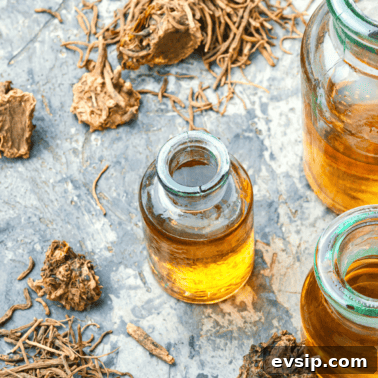
Cannabis Roots: Benefits, Uses & Tincture Recipe
Frequently Asked Questions
While many trichomes are visible to the naked eye, a jeweler’s loupe or small microscope is the best way to inspect trichome heads and color changes more accurately.
Trichomes contain cannabinoids, so whether they cause psychoactive effects depends on the plant’s cannabinoid profile. Plants high in THC can be intoxicating, while those richer in acidic cannabinoids like THCA and CBDA are not psychoactive until decarboxylated.
Touching trichomes briefly is unlikely to cause intoxication. Physical contact does not typically transfer enough active compound to produce a high.
Getting started begins with choosing suitable seeds and learning the basics of cultivation. Start by researching strains and growing guides tailored to your environment and goals.
Conclusion
Trichomes are small but critical: they contain the cannabinoids and terpenes that drive cannabis’s therapeutic and recreational effects. By understanding trichome types, lifecycle, and color stages, you can make informed choices about harvest timing and extraction methods.
Whether you add decarbed flower to recipes, infuse fats, or perform solvent extractions, the goal is the same: capture the trichomes’ active compounds and incorporate them into your products safely and effectively.
If you want to expand your skills further, consider structured courses or in-depth guides on infusions and extractions to confidently craft edibles, tinctures, and topicals at home.
More Articles You Will Love

Articles & How-To Guides
Meet the Female Cannabis Plant: Her Parts + Uses

Articles & How-To Guides
How To Use Trim To Make Edibles, Cannabutter, and More
Articles & How-To Guides
How to Use Cannabis Fan Leaves in Edibles
Growing Cannabis