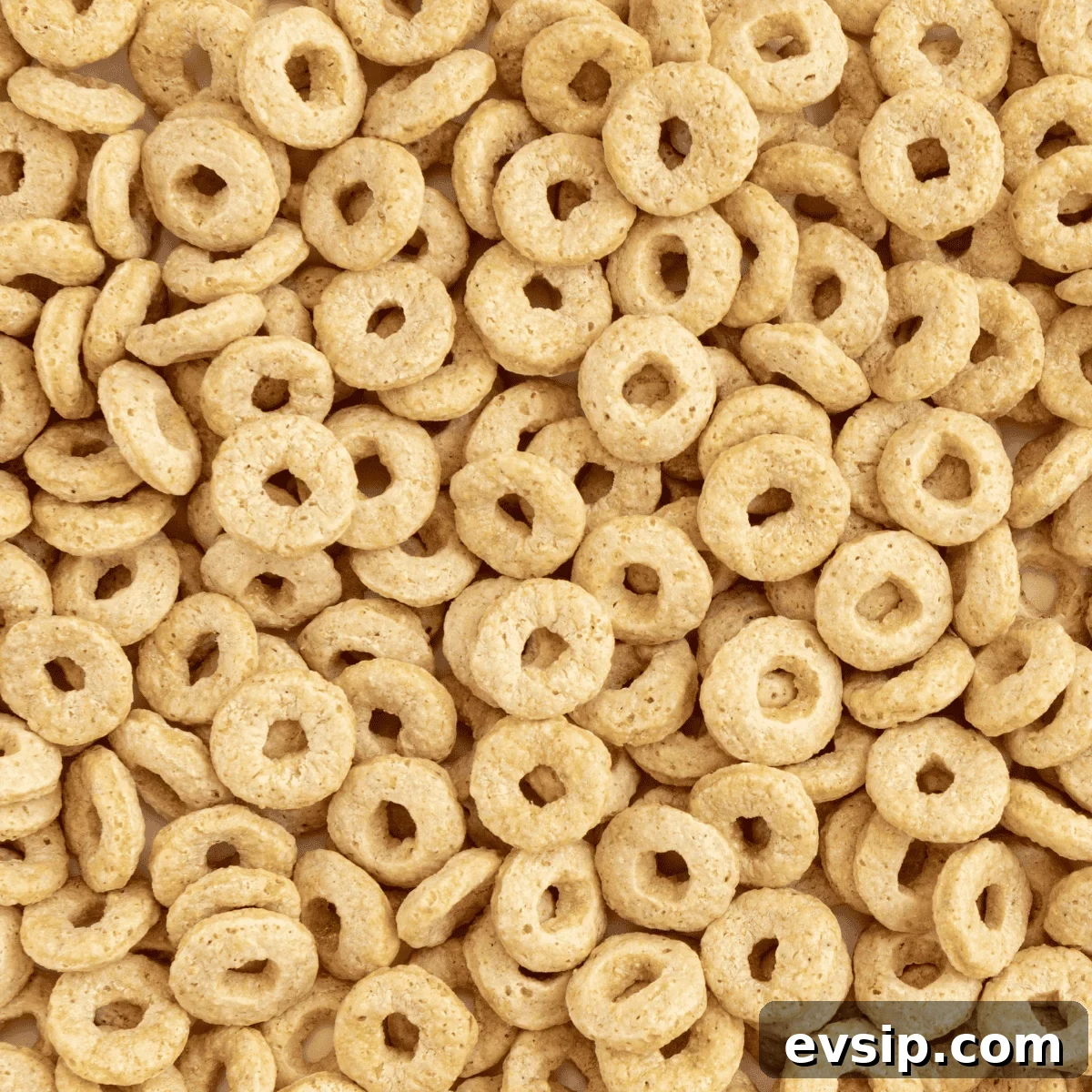
Sharing my life and nutrition advice on social media brings a lot of responses—many supportive, and sometimes quite fierce. One of the most polarizing topics I post about is Cheerios. Yes, Cheerios.
Why the strong reaction? Cheerios are made from oats, and oats are often treated with glyphosate, a widely used herbicide. People worry about glyphosate residues in foods and whether that exposure causes cancer. The internet amplifies fear, so it’s worth separating the science from the sensational headlines.
Glyphosate in Foods: the Science vs. the Sensational
Parents are understandably concerned after hearing that glyphosate shows up in some foods and that it may be linked to cancer. It’s important to look at the actual evidence and what major regulatory and scientific bodies conclude.
(For transparency: I have never been paid or partnered with General Mills or Monsanto. I share this perspective based on the evidence and my work in nutrition.)
Pesticides in Foods
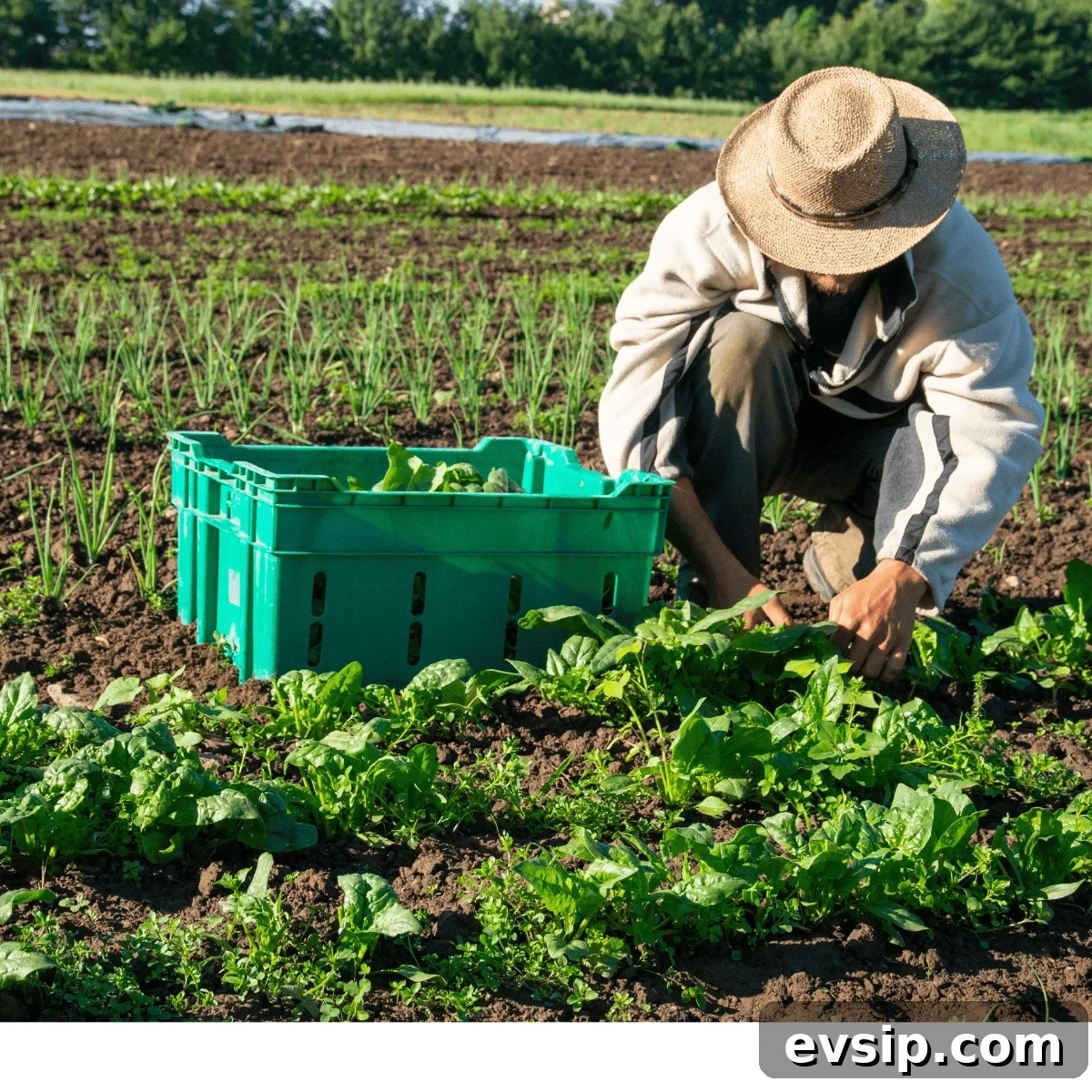
Pesticides is a broad term that includes herbicides, insecticides, and fungicides. According to public health sources, pesticides are used to kill, repel, or control organisms that damage crops. Herbicides, specifically, control unwanted plants and weeds.
Used responsibly, pesticides prevent major crop losses, reduce disease risk, and support large-scale food production. Removing them entirely would cause substantial declines in yields for fruits, vegetables, and cereals, making many foods far less available and more expensive.
Scientific Consensus on Glyphosate in Foods
Most major regulatory bodies and evidence-based agencies have concluded that dietary exposure to glyphosate at the levels typically found in food does not present a cancer risk. Different agencies assess risk in varying ways, and one notable outlier—the International Agency for Research on Cancer (IARC)—classified glyphosate as “probably carcinogenic” based largely on occupational exposure data (such as spraying), not typical dietary exposure from processed foods.
IARC’s classification places glyphosate in a hazard category alongside items like very hot beverages or red meat, but hazard classification does not directly equate to real-world dietary risk at low exposure levels.
“But the EWG says it’s bad!”
The Environmental Working Group (EWG) is widely consulted by shoppers, but it’s important to understand context and potential biases. The EWG is a lobbying organization that often promotes organic choices. Buying organic is a valid option, but it isn’t the only reasonable approach. Organic products can be more expensive, less accessible, and are not always nutritionally superior.
For balanced information, look to peer-reviewed studies and neutral regulatory agencies rather than relying solely on single-source advocacy organizations.
Amount of Glyphosate in Foods Matters
Presence of a chemical does not automatically mean harm. Toxicology rests on the principle that dose makes the poison. Dietary residues of glyphosate found in common foods are typically far below levels that regulatory agencies set as acceptable for lifetime exposure.
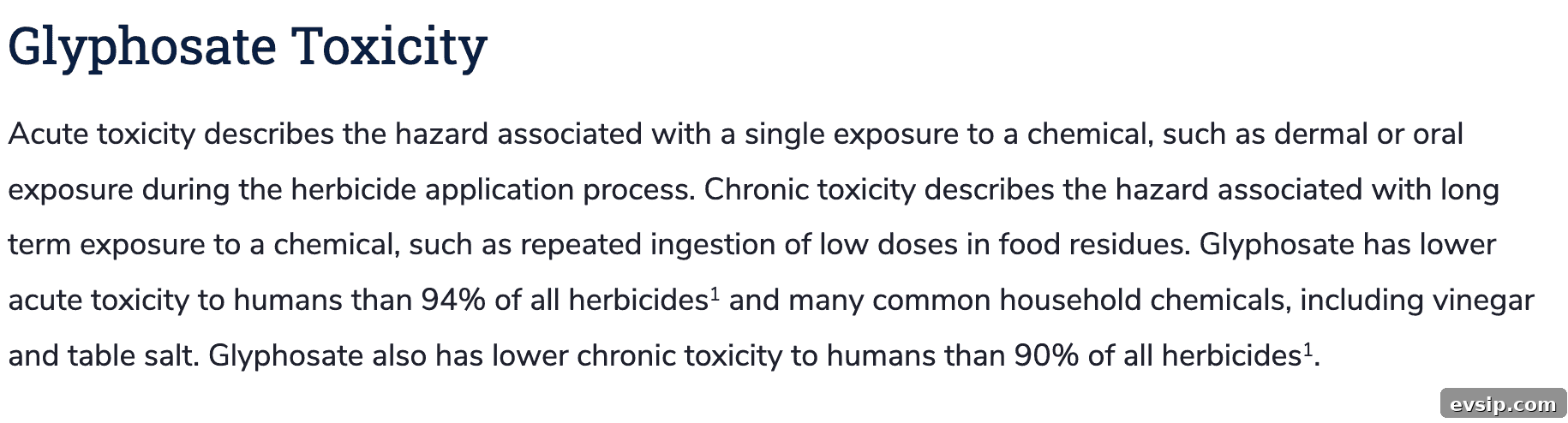
Fear-based headlines can make parents worry they’re poisoning their children, but the right comparison is to regulatory limits and realistic consumption patterns.
What are the limits on glyphosate residues in food?
Regulatory agencies express allowable lifetime intake in different ways. The EPA historically set a chronic reference dose for glyphosate, and international assessments suggest daily intake limits (for example, 0.5–1 mg/kg body weight per day depending on the agency). Using the strictest standard, a typical adult would need to consume an implausibly large number of servings of a single food to reach those limits.
So How Much Glyphosate is in Foods?
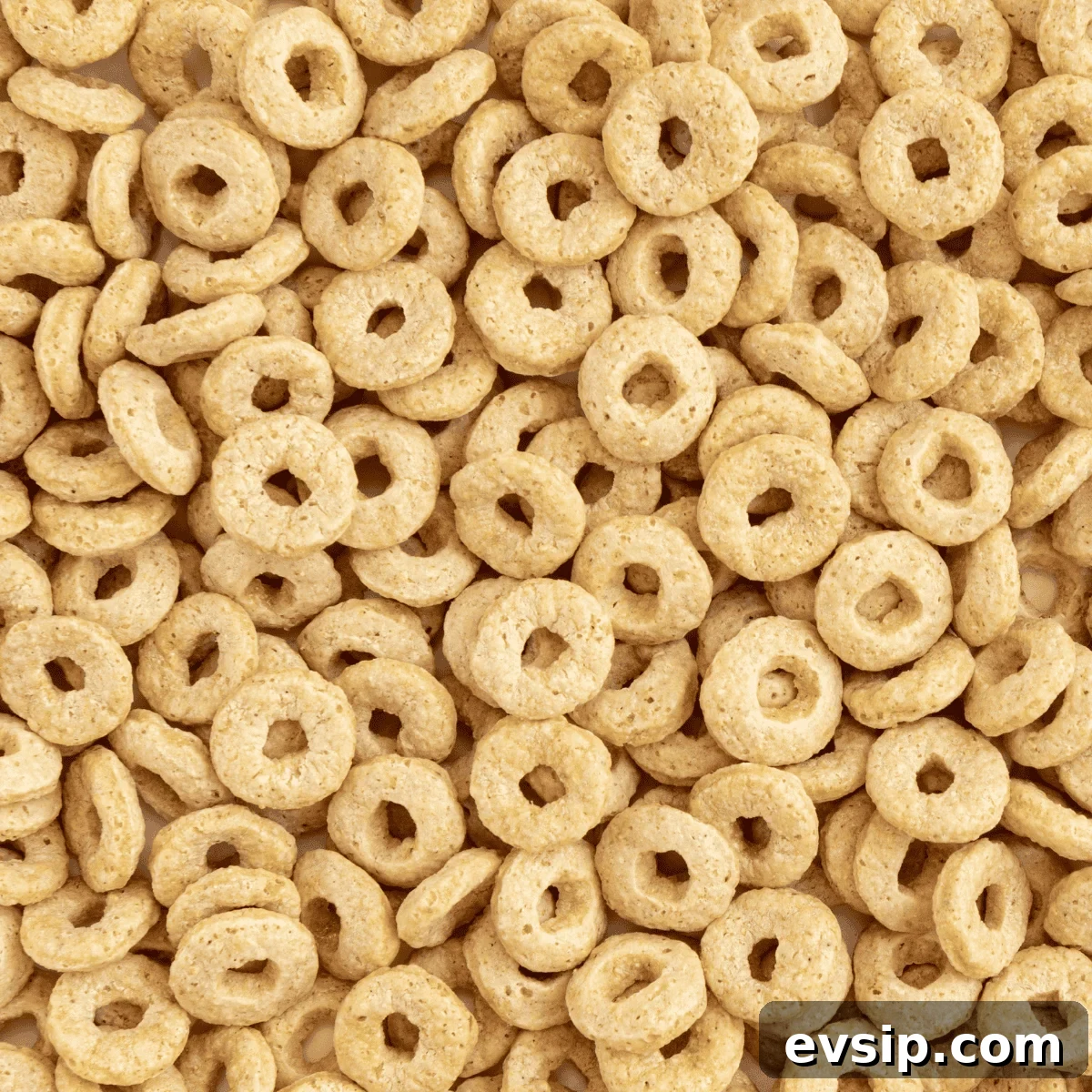
One report indicated Cheerios contained roughly 0.032 mg of glyphosate per 28 g (about one cup) serving. To reach the strictest acceptable daily intake, an adult would need to eat well over a thousand servings of that cereal in a single day—an unrealistic scenario. Many samples showed lower levels, and other foods contain trace residues too. When compared to regulatory thresholds, typical dietary exposure is far below concerning levels.
Glyphosate in Foods: an Environmental Perspective
There are environmental concerns around pesticide use, including impacts on biodiversity and ecosystems. I am not an environmental scientist, so I won’t try to be the final voice on ecological effects. My focus here is nutritional: what glyphosate residues mean for diet and family health. If you’re concerned about environmental impacts, seek specialist sources and balanced analyses from ecologists and environmental scientists.

What I Like About Cheerios
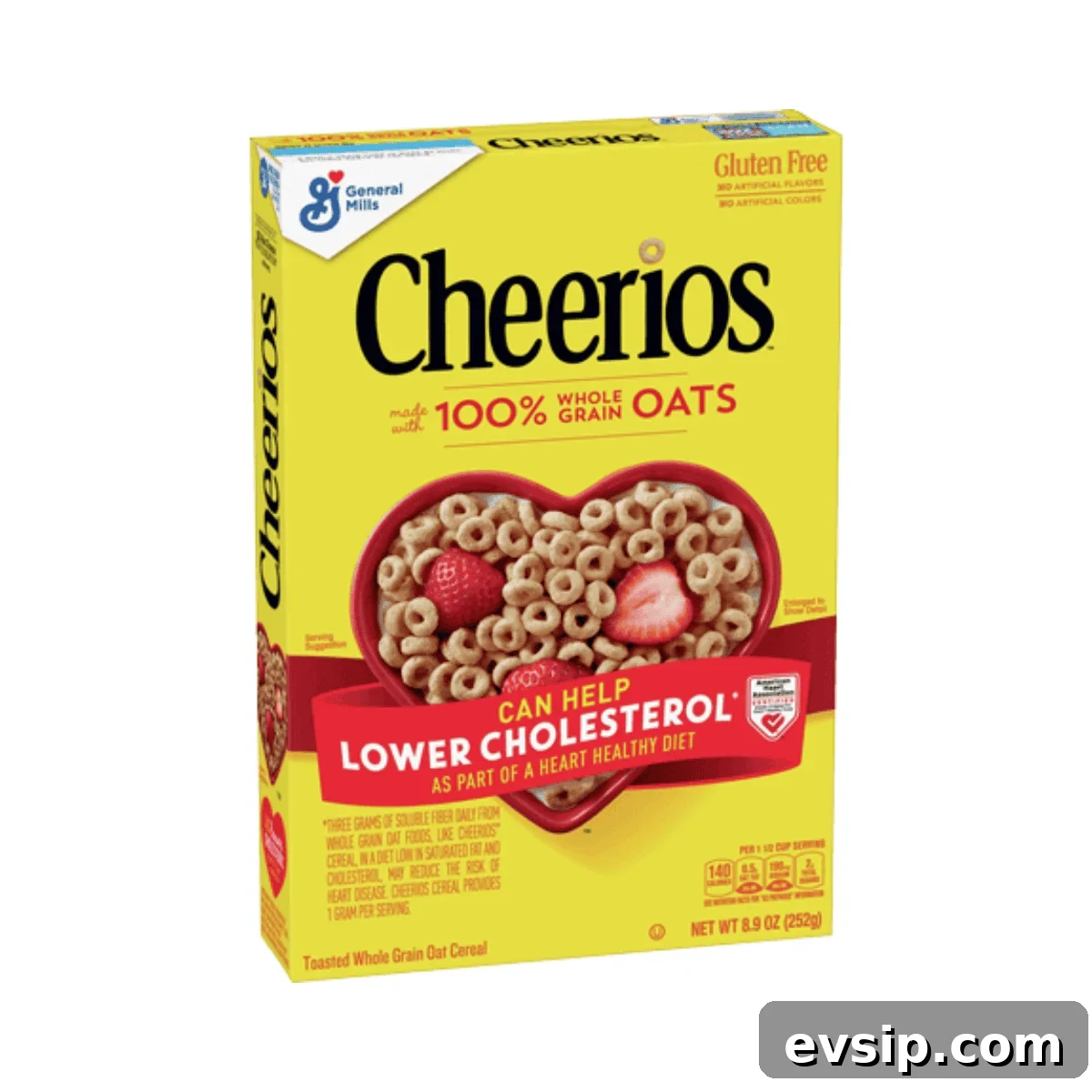
Original Cheerios (the plain variety) have several nutritional strengths. Their primary ingredient is oats, a good source of fiber and carbohydrates. Compared with many sugary cereals, Cheerios offer:
- Protein—many cereals are low in protein
- Iron—helpful for growing children
- Added vitamins and minerals from fortification
Additional practical benefits include affordability, wide availability, gluten-free certification for their oats, and acceptance by many picky eaters. Cheerios are versatile—served dry, with milk or yogurt, or mixed with fruit—making them an easy, nutritious option for many families.
FAQs
Why don’t you recommend organic O’s cereal instead?
There’s no clear nutritional advantage to choosing an organic O’s cereal over conventional Cheerios. Organic versions are often more expensive, less accessible, and may not be fortified the same way. If you prefer organic and can afford it, that’s a fine choice, but it isn’t the only healthy option.
Are you funded or sponsored by General Mills?
No. I have no partnerships with General Mills. My recommendations are based on nutrition and practicality, not sponsorship.
Are you funded or sponsored by Monsanto?
No. I have no ties to Monsanto or any pesticide manufacturers. I provide evidence-based nutrition guidance and earn no money from these statements.
If glyphosate is potentially toxic, why allow any residues in kids’ foods?

Pesticides enable large-scale food production that feeds a growing population. Regulatory agencies set conservative limits for lifetime exposure well above typical dietary intake. Parents should weigh realistic risk against nutritional benefits; trace residues in food are not the same as exposure at occupational spraying levels.
I heard a lab found high levels of glyphosate in Banza—what about that?

Not all headlines tell the full story. When you see dramatic claims, check the study details: who funded it, which lab did the testing, how did results compare to regulatory limits, and whether the methodology was sound. In the Banza example, reported values were still below allowable limits for chickpeas. One study or a single press release shouldn’t drive major dietary changes without broader evidence.
Why are you defending glyphosate?
I’m not defending glyphosate as an industry spokesperson. I’m sharing evidence-based context so people can make informed choices without panic. Demonizing nutritious foods because of sensational headlines can narrow diets and harm overall nutrition. My aim is to recommend foods that are healthful and practical for families, based on the best available evidence.
Final Thoughts on Glyphosate in Foods

Everything carries some risk—sun exposure, driving, and many everyday activities. We balance those risks against benefits. Current evidence and regulatory assessments indicate that glyphosate residues in conventionally farmed foods are below levels that would harm health when consumed as part of a normal diet. For that reason, I continue to feed my family Cheerios and other convenient, nutritious foods.
Don’t let fear-based headlines dictate your entire diet. Make choices that fit your budget, access, and values. If someone makes you feel like you’re poisoning your kids for choosing a reasonable, evidence-supported food, you have permission to tune them out.
I will continue sharing practical, evidence-based nutrition information—whether it’s popular or controversial.
You may also like:
From Breakfast to Dinner: Healthy Gluten-Free Foods for Kids