

Is grocery shopping one of your most dreaded chores?
Maybe you resent spending limited weekend time in crowded aisles, or you stop at the store after a long day at work when you’re tired and hungry. It can feel like a chore—but there are practical ways to make grocery shopping faster, less stressful, and even cheaper.
If you want to learn how to save time grocery shopping, here are smart, simple strategies to streamline your routine.
How to Save Time Grocery Shopping
1. Use a Master Grocery List
A master grocery list is a reusable inventory of items you buy regularly. Keep it handy and consult it when you make your weekly list so you don’t forget staples. It speeds up planning—just check your fridge, pantry, and freezer against the master list and mark what you need.
Related post: How to Use a Master Grocery List (to save time and sanity!)
2. Try Eat at Home Meal Plans
If you’d prefer someone else plan meals and make a shopping list, meal plan services like Eat at Home provide monthly menus with coordinated shopping lists across several styles (Traditional, Wholesome, Slow Cooker/Instant Pot, No Flour/No Sugar). Choose a membership, pick the week’s recipes, shop from the provided lists, and follow the easy recipes. This removes meal planning from your weekly to-do list and saves time.
How it works:
- Choose a membership level (monthly, quarterly, or yearly).
- Log in and select recipes for the week or month.
- Shop using the prepared shopping lists.
- Follow the simple recipes on your phone or print them.
- Enjoy stress-free dinners.
Related post: Meal Planning for People Who Hate Meal Planning
3. Use a Grocery Delivery Service
Services like SHIPT let you build a shopping list in an app and have someone else pick and deliver your groceries—sometimes within an hour. There is usually a membership fee, but orders over a minimum amount are often delivered for free. Delivery prices or service fees may be slightly higher than in-store, but many people value the time savings. Delivery can free up hours each month that you would otherwise spend shopping.
Some services offer free trials or discounted memberships, so you can test whether delivery is worth the convenience for your household.
4. Pick a Less Busy Time to Shop
Avoid peak hours and you’ll move through the store faster. My local stores are often least crowded:
- Weekdays before 10 AM (or weekends before 9 AM)
- Mid-afternoon between 4–5 PM
- Later in the evening after 8 PM
Note that some service counters may be closed at night, but shopping during off-peak times usually means quieter aisles and faster checkout.
5. Shop Alone
Unless you have helpful, efficient companions, shopping alone reduces distractions, avoids arguments about purchases, and keeps the trip focused. Leave children and partners at home when possible to speed the process.

6. Stick to the List
Make a detailed grocery list and commit to buying only what’s on it. Stores are designed to tempt you with displays and special offers; sticking to your list prevents impulse purchases and saves time. Organize your list to match the route through your store—group similar items together. A master grocery list can help you keep a structured, reusable route-based list.
7. Use Store Shopping or Pickup Services
Many grocery chains offer online ordering with curbside pickup or shopping-for-you services. You place your order via the store’s website or app and choose a pickup time. Staff collect your items and load them into your car when you arrive. Often the first few orders are free, with a small fee thereafter.
Benefits include checking what you already have before ordering, seeing your order total to stay within budget, saving favorite items for quick reorders, and cutting impulse buys—plus saving a significant amount of time.
8. Start Shopping Biweekly
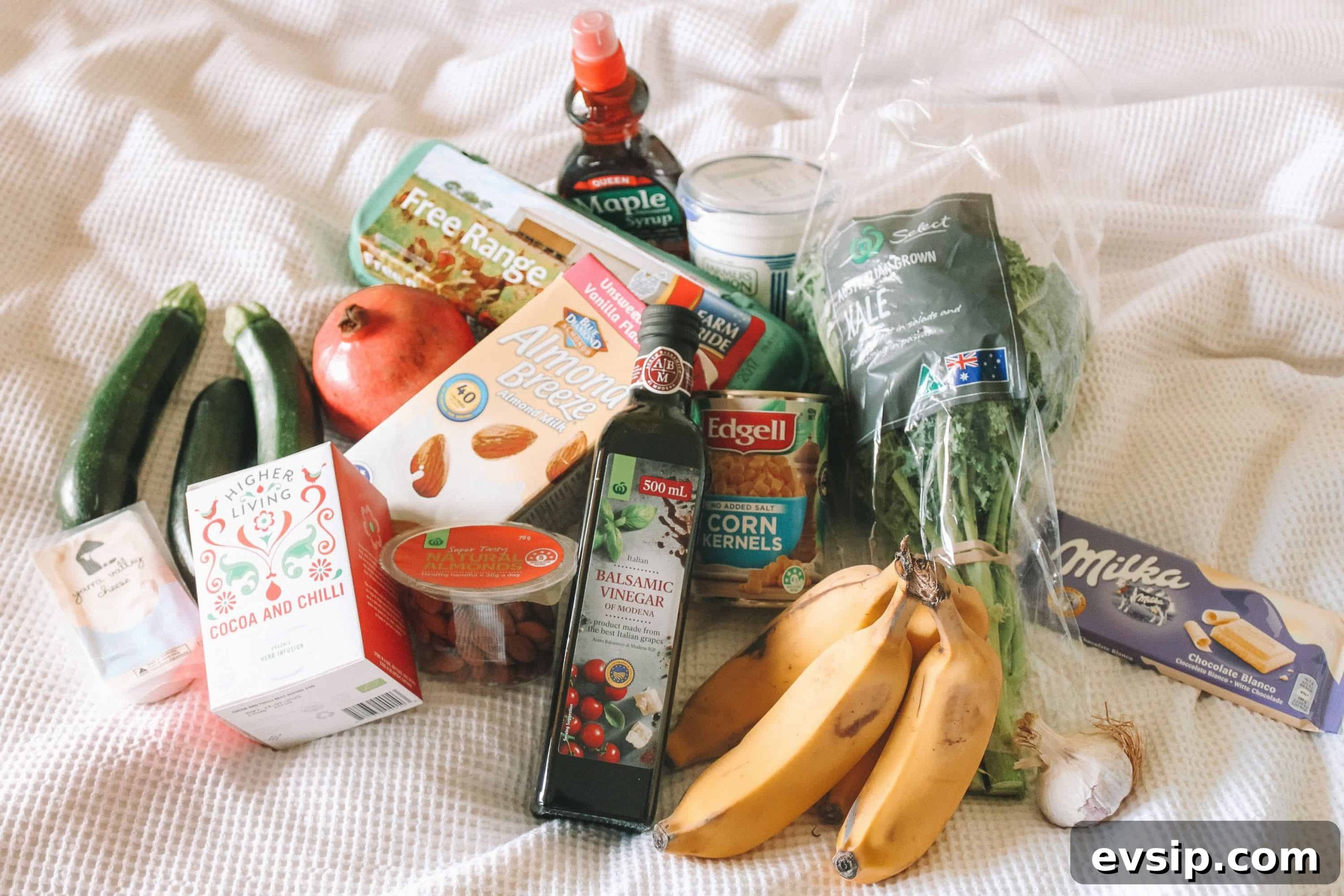
Fewer trips to the store means more time saved. Move to shopping every other week rather than weekly. To make this work, stock up on staples and buy larger quantities when items are on sale. Plan to use up perishable produce in the first week and rely on frozen or canned fruits and vegetables for the second week.
9. Shop at Smaller, Faster Stores
Smaller stores with focused inventories—like discount grocers—can be much quicker to navigate than large supermarkets. Shorter aisles, fewer distractions, and fast checkout lines make it possible to complete a full shop in 20–30 minutes in many cases. Try using a smaller store for routine trips to speed things up.

10. Use Coupon Matchup Tools
Coupon matchup sites collect store sales, printable or digital coupons, and rebate offers in one place, showing the best deals available. Using these tools while you prepare your shopping list saves time searching multiple sources and can help you plan purchases around genuine savings.
11. Freezer Cooking
Spending an hour or two each month assembling freezer meals can reduce future shopping and cooking time. Buying ingredients in bulk for multiple meals at once shortens later shopping trips, and having ready-to-go dinners saves time during busy weeks.
Some meal-plan services include freezer-friendly recipes you can prep quickly to stock your freezer.
12. Use Your Grocery Store App
Store apps are practical time-savers. Many let you:
- See which regular items are on sale
- Create and save digital shopping lists
- Clip digital coupons quickly
- View the weekly ad
- Search for items, including aisle locations
- Place orders for pickup
- Refill prescriptions
Using the app streamlines planning and checkout and can reduce time spent in-store.
13. Choose the Right Checkout Lane
Picking the fastest checkout lane is a small skill that saves minutes. Tips:
- Choose the lane with fewer people even if carts look full—each transaction adds time.
- Learn which cashiers are fast and get in their lines.
- Avoid customers who appear disorganized, chatty, or have lots of produce to weigh.
- Don’t join lanes with flashing lights (they usually indicate a manager is needed).
- Consider self-checkout when you have few items and no produce or coupons that need scanning.

14. Turn Off Phone Notifications
Notifications and alerts interrupt your focus and add time to every errand. Silence your phone while shopping so you can complete your trip in 30–45 minutes without distractions.
15. Save Previous Meal Plans and Lists
Keep past meal plans and their shopping lists to cut planning time. Build a rotation of 6–12 weekly menus and reuse their lists—this makes grocery preparation much quicker and nearly automatic.
Conclusion
There are many practical ways to shop smarter: plan ahead with lists or meal plans, use delivery or pickup services, avoid distractions, and learn a few time-saving habits in the store. Implementing a few of these strategies will help you spend less time grocery shopping and more time on the things you enjoy.
What are your favorite time-saving grocery shopping tips?
Be sure to also check out
Our Other Grocery Shopping & Meal Planning Tips:

How to Make a Cheap Grocery List: A Step-by-Step Guide (+10 Money Saving Tricks!)

How to Slash Your Grocery Budget in 5 days!

The Quickest and Easiest Way to Create a Grocery Budget (and stick to it!)

5 Very Simple Ways to Save Money on Groceries
The Easiest Way to Meal Plan (for people who hate meal planning)

Create Quick & Cheap Meals with these 30 Pantry Staples on a Budget

How to Get Started Meal Planning Today: 10 Super Easy Tips
5 Easy Meal Planning Strategies for Beginners

Free Weekly Meal Planning Printables: How To Create Your Own Meal Planning Kit

10 Easy and Cheap Meals ANYONE Can Make