Veganuary began in 2014 as a U.K. nonprofit campaign to promote veganism by encouraging people to try a vegan lifestyle during January. Participation has grown rapidly since then, and when I recently asked on Instagram, 85% of you said you were interested in trying Veganuary.
That’s wonderful. Eating more plants is one of the most powerful ways to benefit your health, reduce environmental impact, and spare animals. Veganuary is also a great way to start the year with renewed energy and intention.
Switching to a vegan diet, even for one month, can feel overwhelming at first. To make the transition easier and more enjoyable, here are 10 practical, down-to-earth tips to help you succeed during Veganuary. These suggestions are designed to be realistic, flexible, and focused on flavor and nutrition so you can stick with the changes.
This post is sponsored by ALDI USA. Thank you for supporting the brands that help make this work possible.
New to vegan cooking? Check out a basic vegan grocery list and a guide to the best plant protein sources to answer your shopping questions and learn how to include plant protein in your meals.
10 Tips for a Successful Veganuary
1. Your diet doesn’t have to be 100% “clean”
It’s helpful to avoid thinking in terms of “clean” or “dirty” foods. When you begin a vegan month, cravings for the textures and savory flavors of meat and dairy are normal. Plant-based mock meats and vegan cheeses can be useful tools—especially early on—because they offer familiar flavors and textures that make the transition easier. While whole foods should form the foundation of your diet, processed vegan products can be helpful and convenient shortcuts that keep you on track.
One product I like is Earth Grown Classic Vegan Meatless Meatballs from ALDI. They’re hearty, flavorful, and quick to prepare—great for weeknight meals.
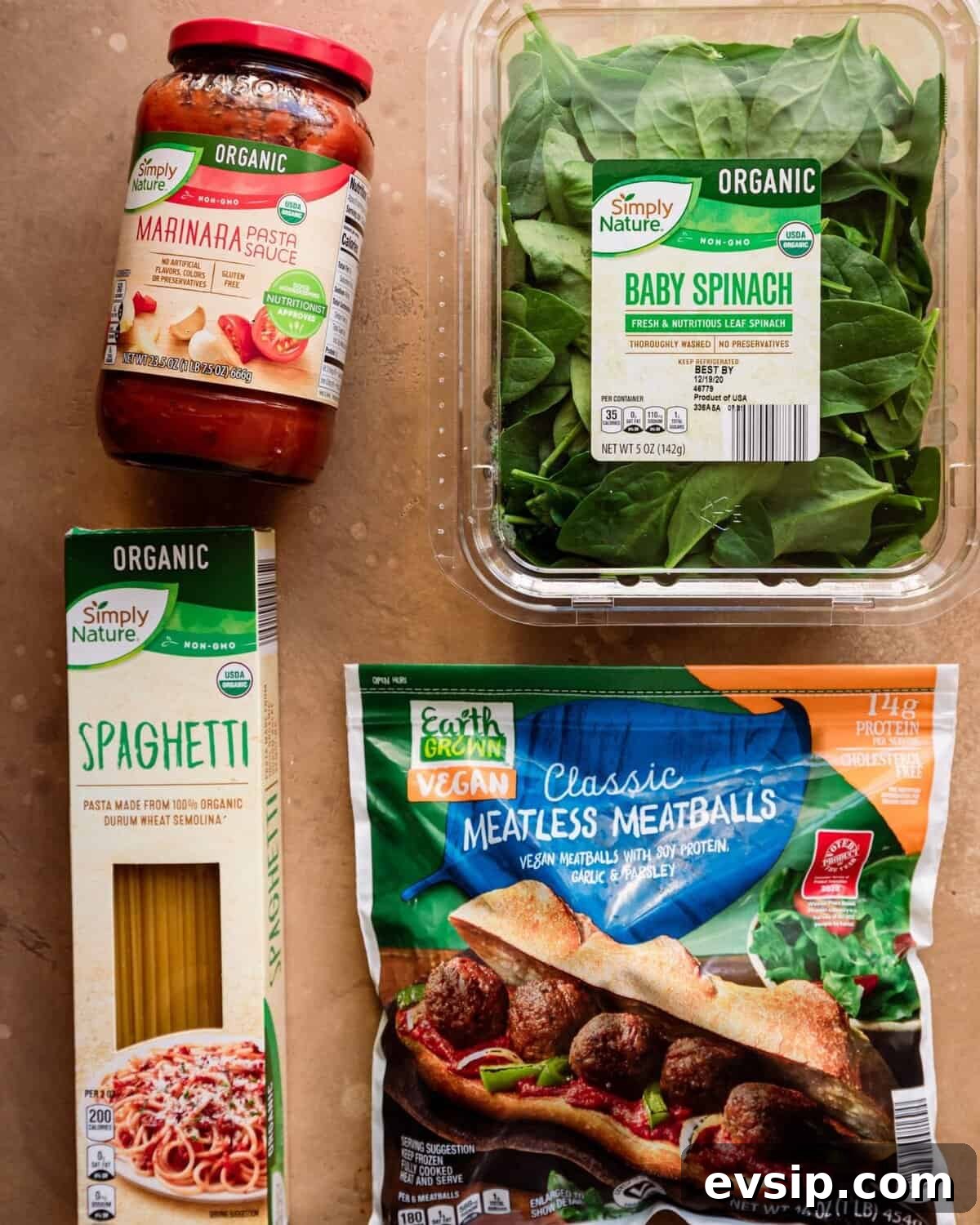
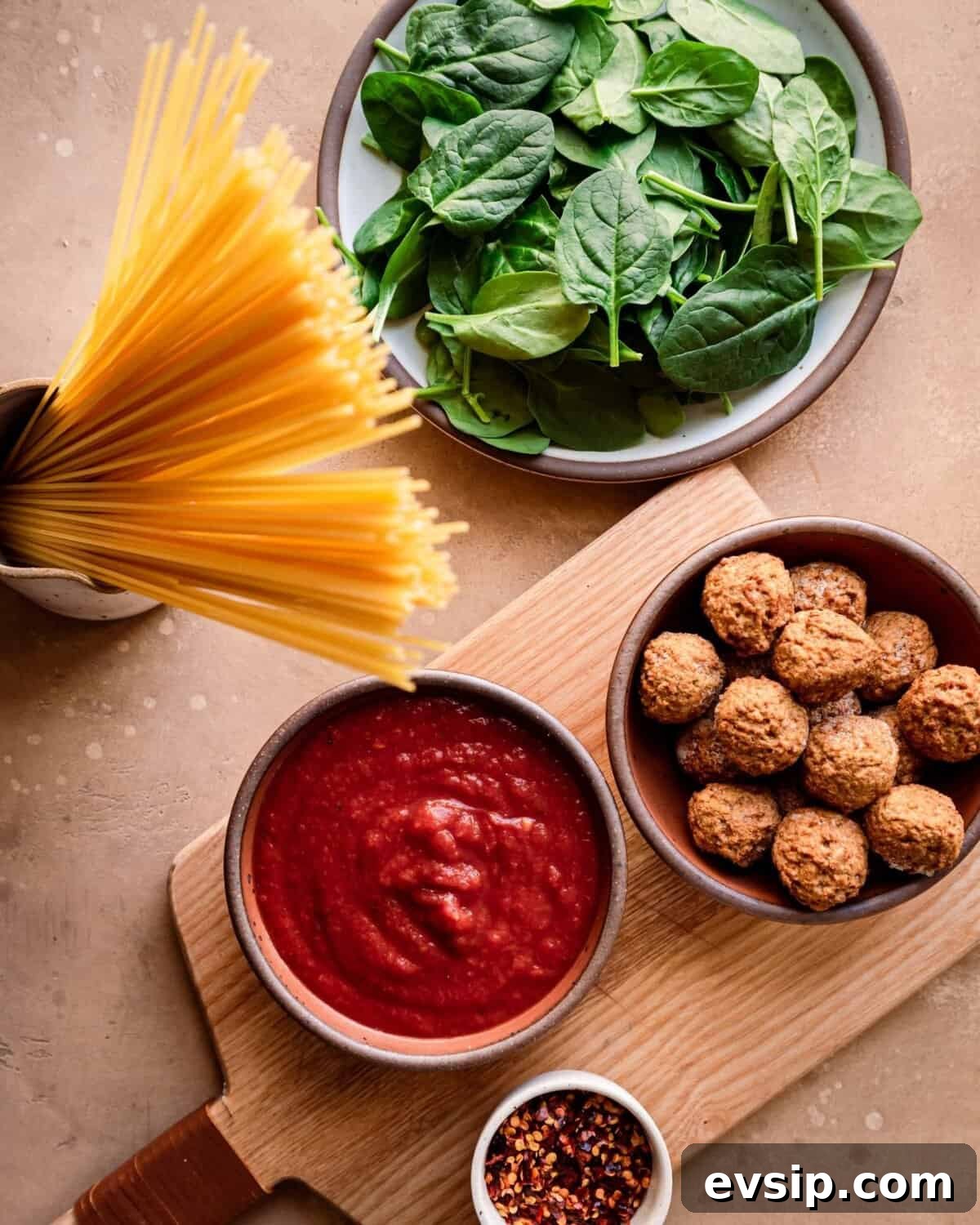
15-Minute Vegan Spaghetti and Meatballs
- Simmer 2 cups marinara sauce with 1/2 a package of Earth Grown Classic Vegan Meatless Meatballs for about 10 minutes.
- In the final minute, stir in 4 large handfuls of baby spinach and cook until wilted.
- Toss 6 ounces of hot cooked spaghetti with the sauce and meatballs until evenly coated, then serve.
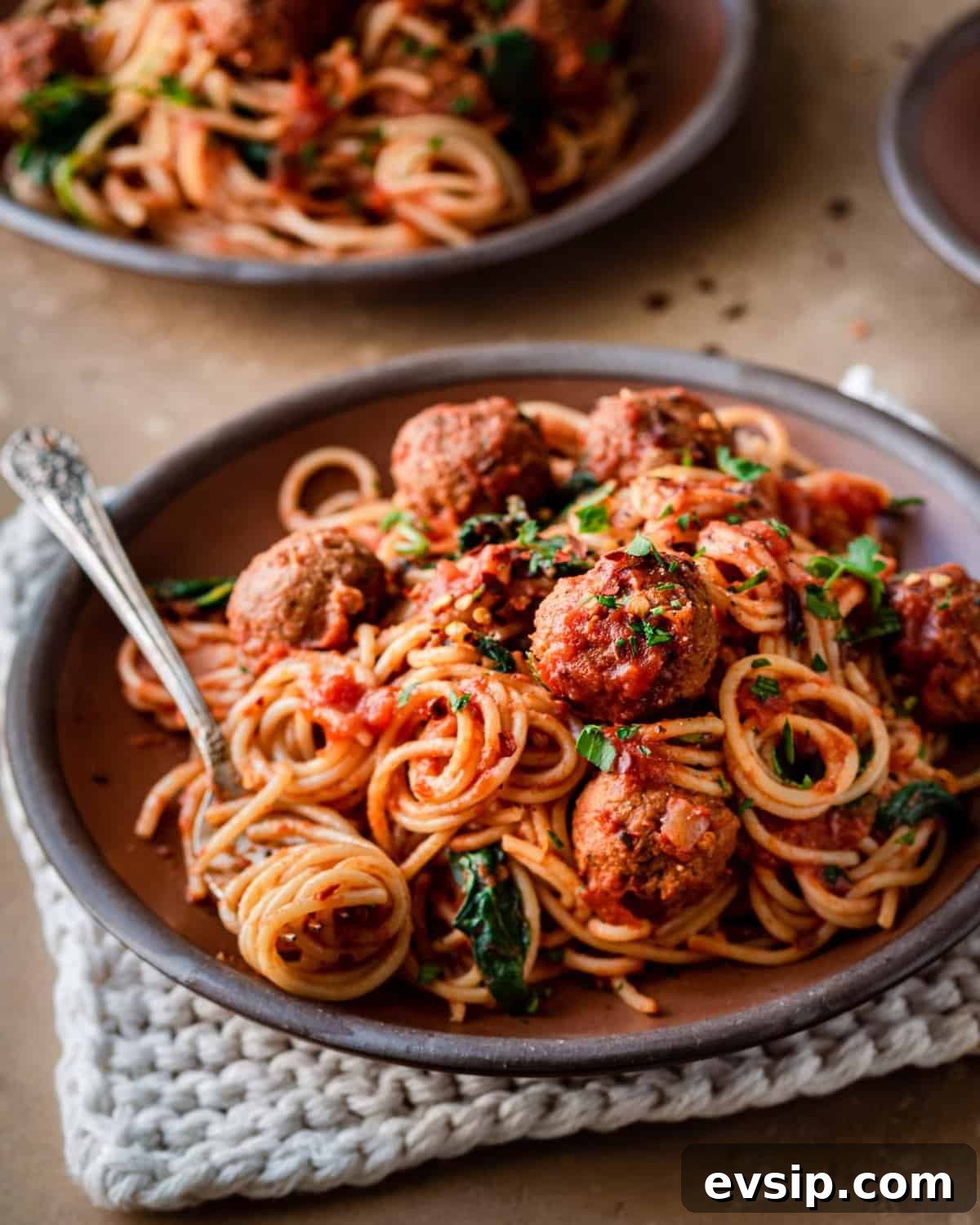
2. Put plants at the center of your plate
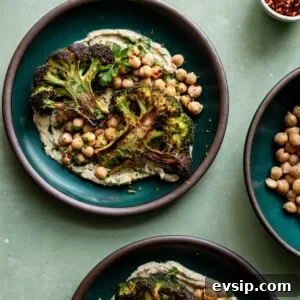
We’re conditioned to think of meat as the main course, but plants can take center stage just as easily. Legumes like lentils, beans, and soy products deliver protein and fiber and make meals filling and nutritious. Vegetables can be treated like stars—marinated, roasted, seared, or sliced into hearty “steaks” (think broccoli or cauliflower) and seasoned to create impressive meals. Try roasting broccoli steaks and serving them with a marinated chickpea salad for a meal that feels gourmet but is simple and affordable.
3. Do a little nutrition homework
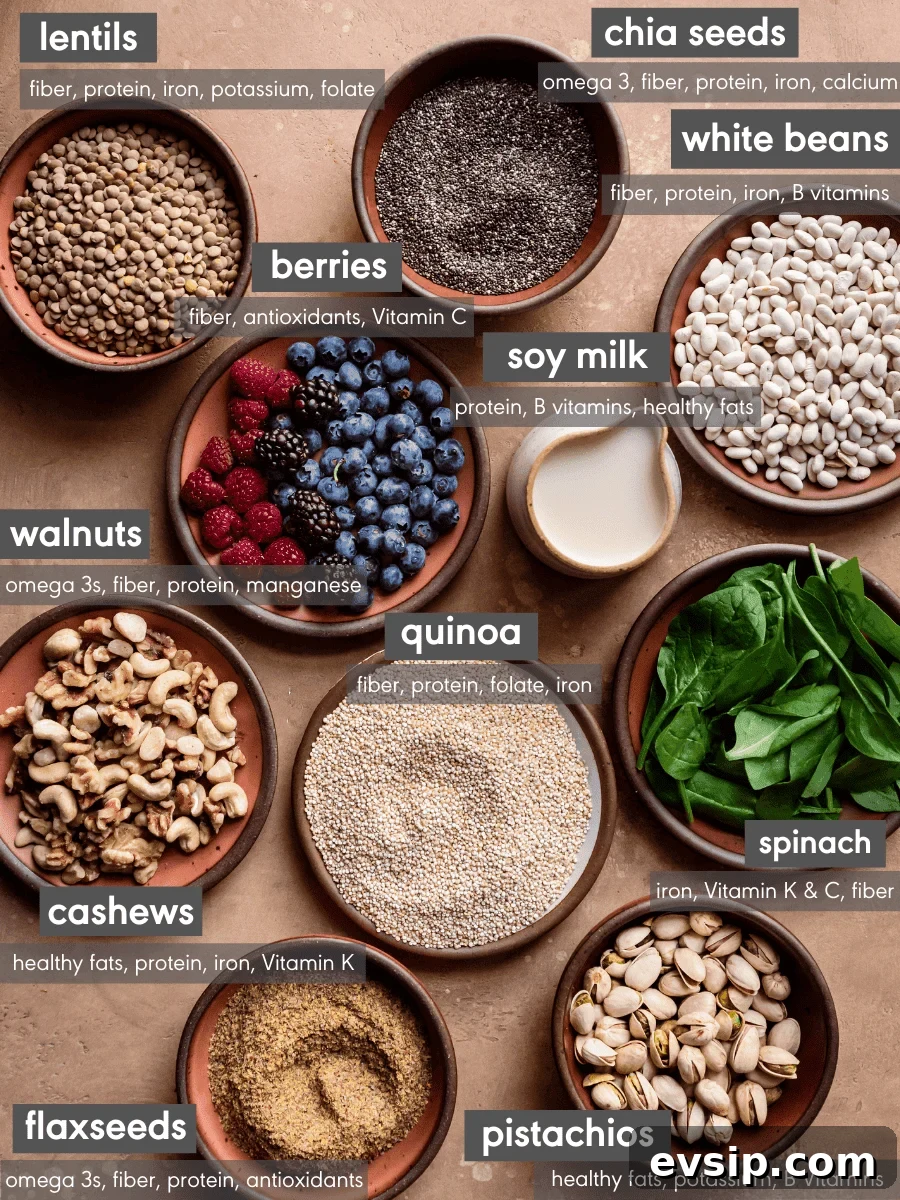
A well-planned vegan diet can provide all essential nutrients, but a few key nutrients deserve attention. Vitamin B12 and vitamin D are common supplements to consider, since they’re not widely available in plant foods. Learn which plant foods are rich in protein, iron, calcium, and omega-3s so you can build balanced meals.
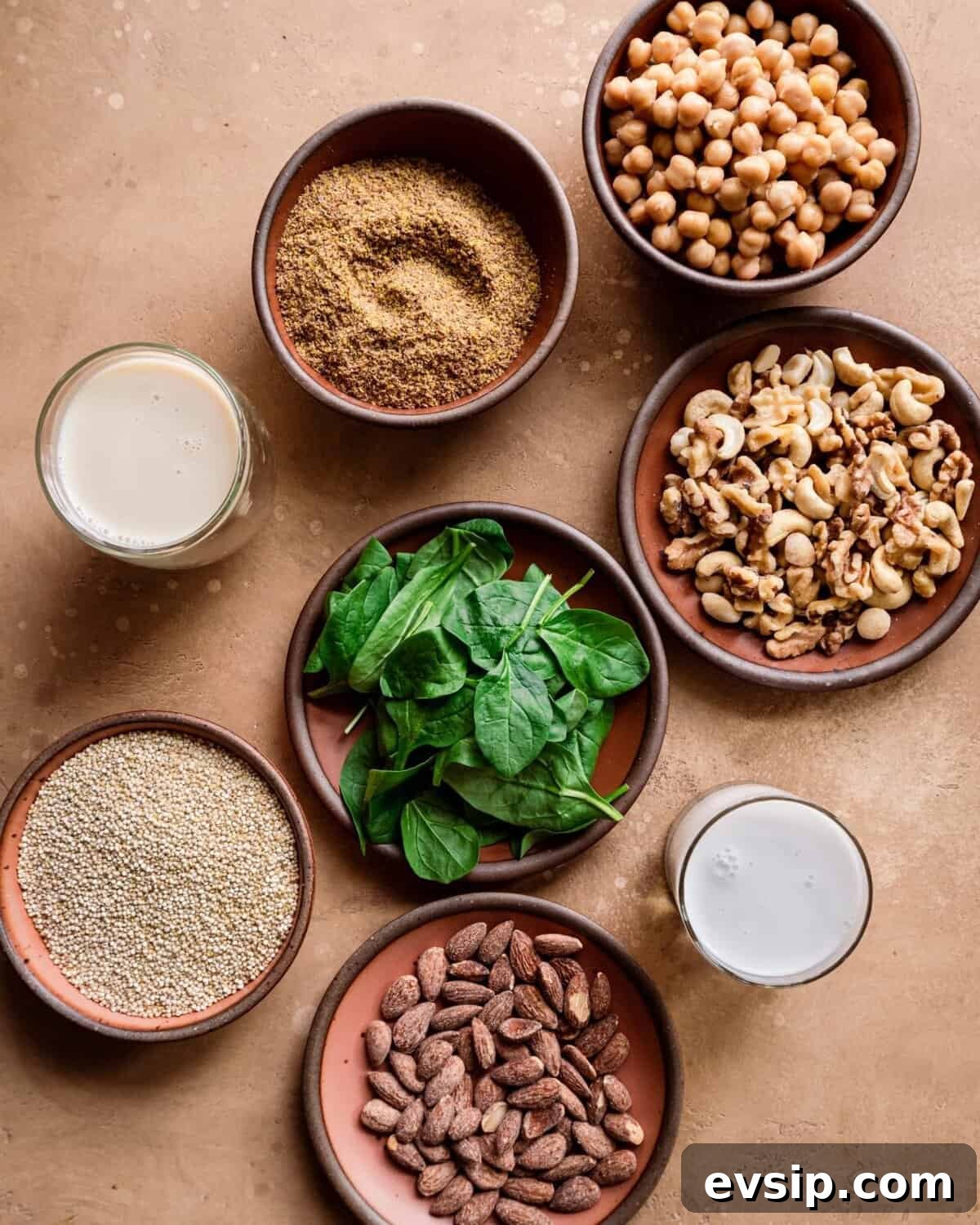
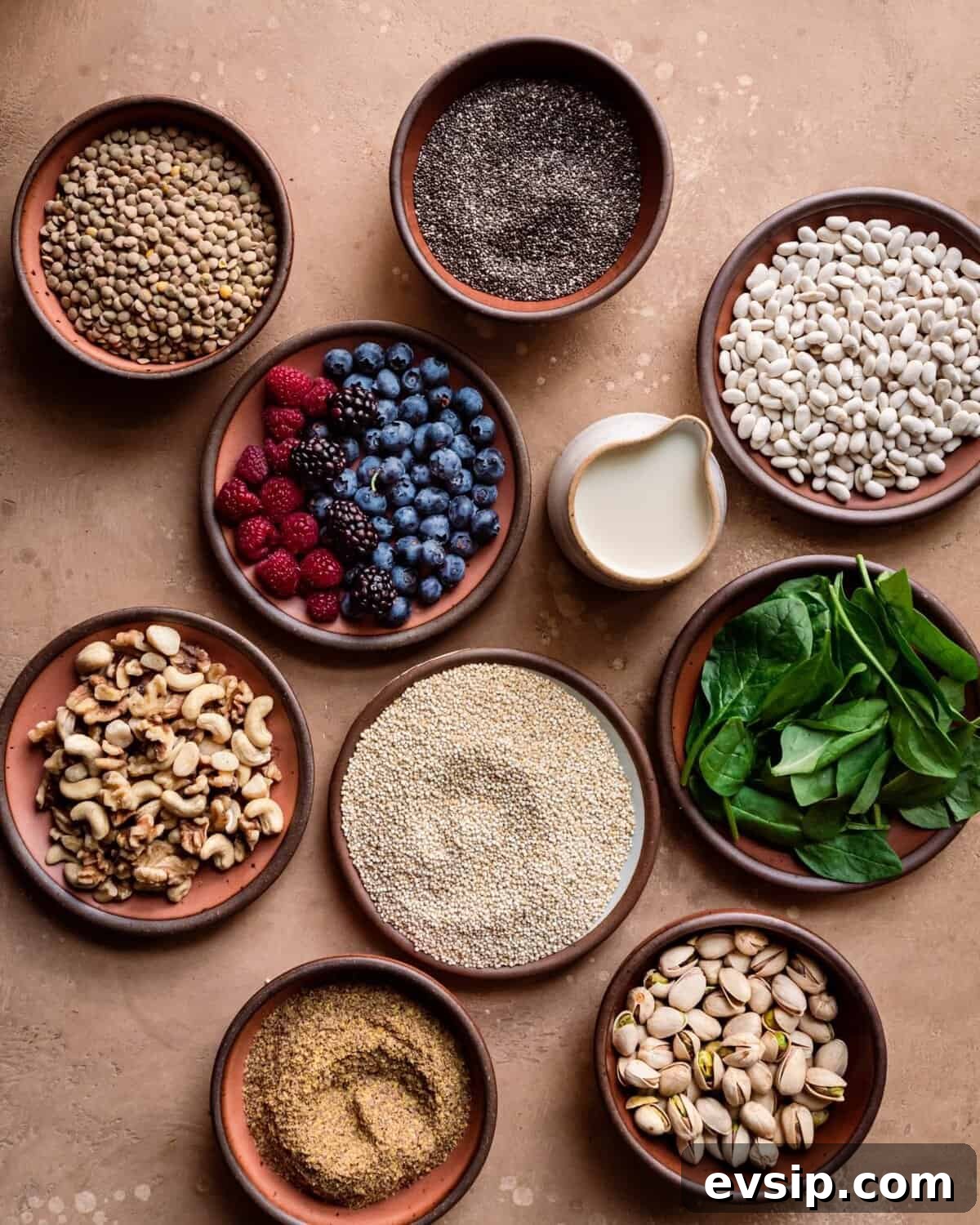
Good plant protein sources include lentils, beans, tofu, tempeh, and higher-protein grains such as quinoa and oats. Iron-rich options include legumes, dark leafy greens, nuts and seeds, and fortified products. Calcium can be found in leafy greens, tofu, and fortified plant milks. For omega-3s, include flax seeds, chia seeds, walnuts, hemp seeds, and algae-based sources.
4. Stock up on affordable plant proteins
Plant proteins are generally budget-friendly. Dried and canned beans, lentils, tofu, and whole grains stretch a dollar and yield many meals. For example, a bag of dried beans can provide dozens of servings at a very low cost. Buying these staples ensures you can prepare satisfying, protein-rich meals without overspending.
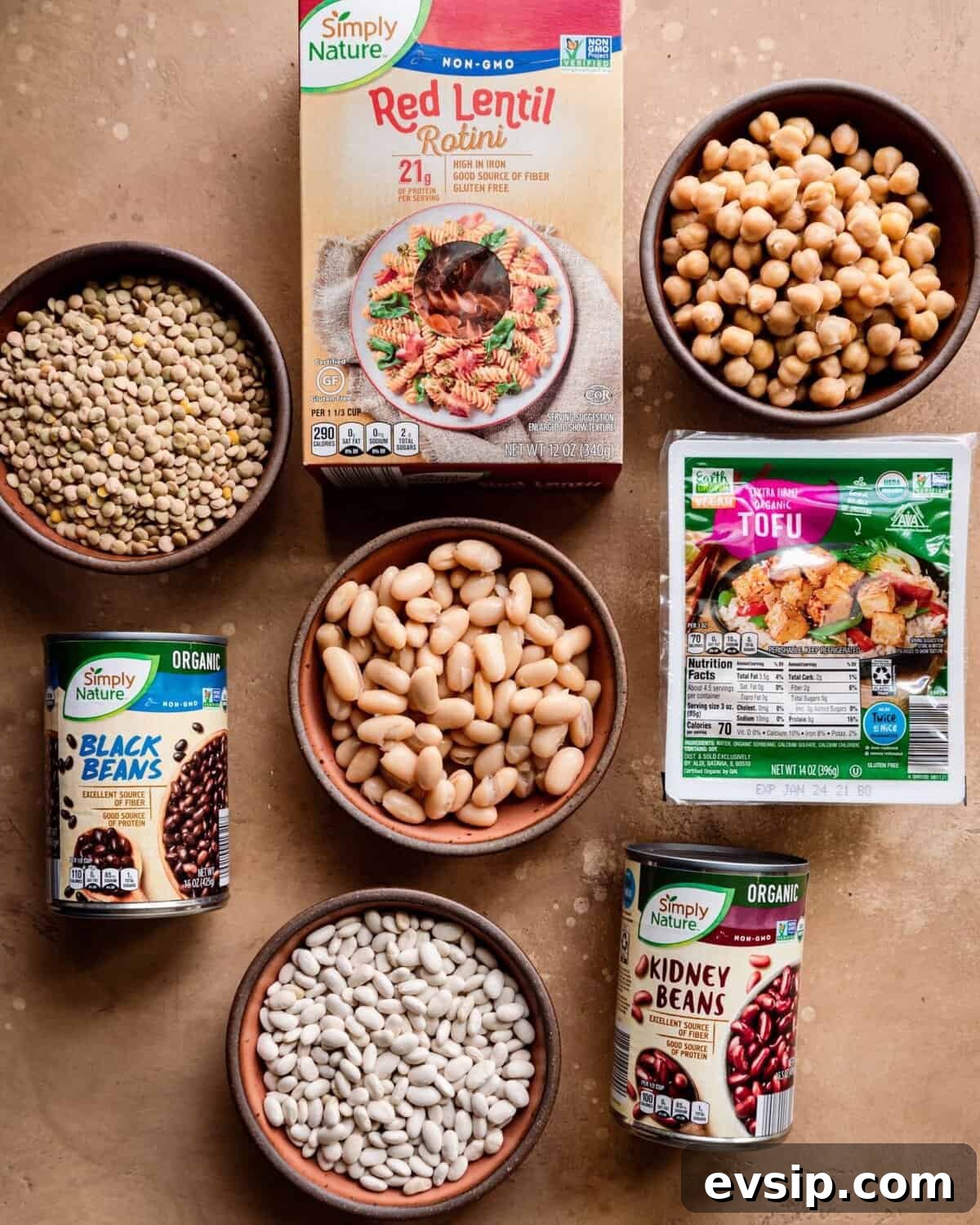
5. Try different plant-based substitutes
Plant-based alternatives have improved dramatically in recent years. Taste-testing different brands and formats—plant milks, meat alternatives, cheeses—will help you discover which products you prefer. You may find different plant milks work better in different recipes, and that’s okay. Experimentation makes the process enjoyable.
6. Veganize your favorite comfort foods
Vegan meals aren’t limited to salads and smoothies. Recreate familiar comfort dishes—mac and cheese, lasagna, curries, baked goods—using nuts, seeds, legumes, and creative techniques that mimic creamy textures. Comfort food keeps things fun and satisfying and increases the likelihood you’ll stick with Veganuary.
7. Keep filling snacks on hand
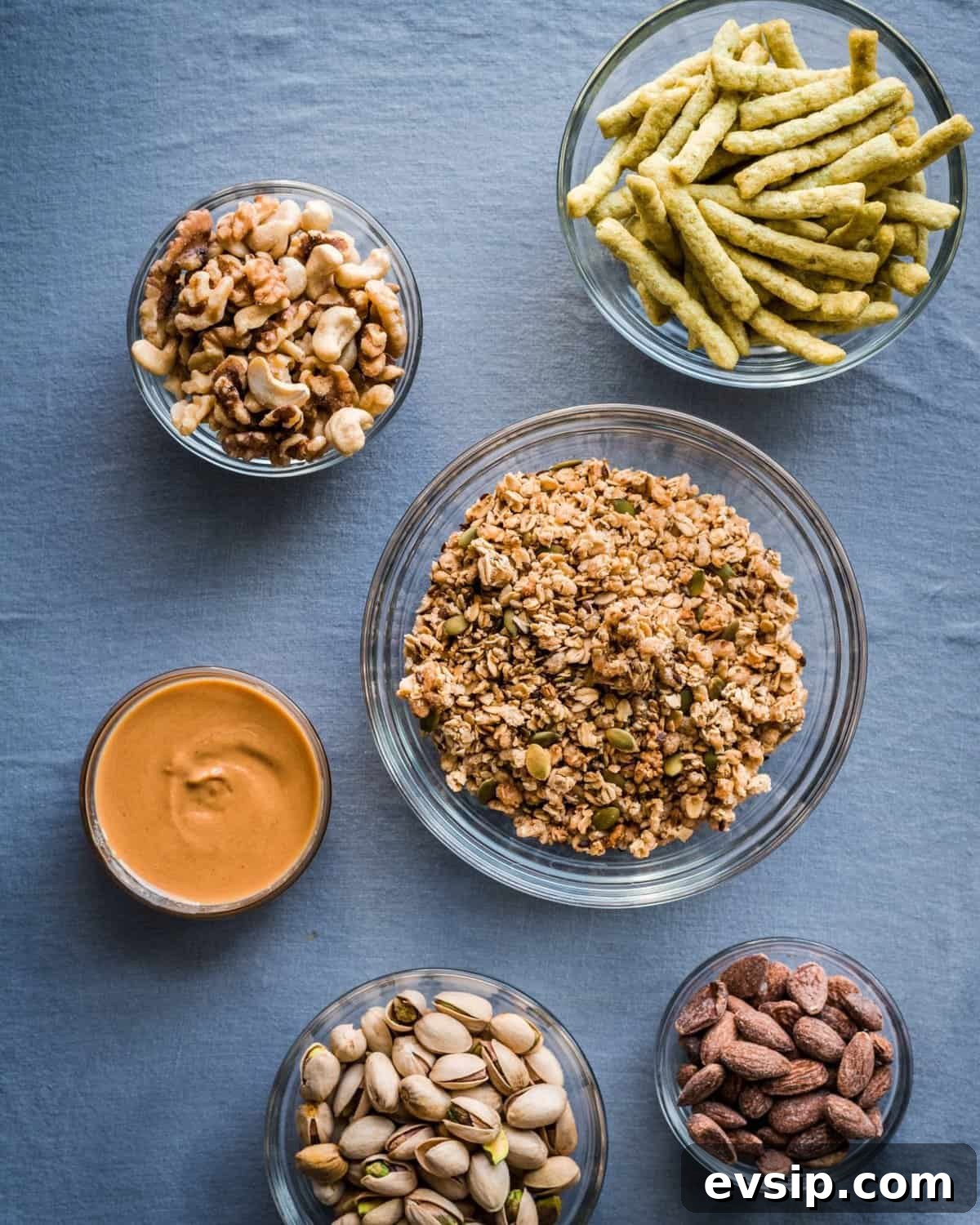
Plant-based foods can be less calorie-dense than animal-based options, so you may feel hungrier more often at first. Keep wholesome snacks available that combine carbs with protein or healthy fats—fruit with nut butter, granola with plant milk and berries, or a trail mix of nuts, seeds, and dark chocolate. These choices help prevent low-energy moments and poor decisions when hunger strikes.
8. Learn to read labels
Read ingredient lists to avoid hidden animal-derived ingredients. Common non-vegan ingredients include casein, whey, gelatin, and shellac. While many products now display “vegan” or “plant-based” labels, becoming comfortable with label reading helps you shop confidently.
9. Plan ahead
Planning saves time and stress, especially when traveling or attending social events. If you’ll be eating out, check menus in advance and call if needed. Offer to bring a vegan dish to gatherings so you’ll have something to eat. Preparing a few simple meal options and snacks ahead of time makes Veganuary more manageable and enjoyable.
10. Be kind to yourself
No one is a perfect vegan. Animal-derived ingredients can appear unexpectedly in foods and products. If you accidentally eat something with animal ingredients, don’t dwell on it—acknowledge it, learn from it, and keep going. The goal is progress, not perfection. Focus on the positive changes you’re making and celebrate small wins.

I hope these tips make Veganuary approachable and fun. If you try any of these ideas or recipes, I’d love to hear how it goes—feel free to share your experience or comments.
15-Minute Vegan Spaghetti and Meatballs
A quick, easy, and affordable dinner that’s family-friendly. All you need is a handful of ingredients and 15 minutes.
Ingredients
- 2 cups marinara sauce
- 1 tablespoon tomato paste
- 1/2 teaspoon dried oregano
- 1/4–1/2 teaspoon red pepper flakes (optional)
- 1/2 package Earth Grown Classic Meatless Meatballs
- 6 ounces spaghetti
- 4 large handfuls organic baby spinach
Instructions
- Combine marinara sauce, tomato paste, oregano, and red pepper flakes in a saucepan.
- Add frozen meatless meatballs, simmer for 10 minutes, stirring occasionally. In the last minute, stir in spinach until wilted.
- Cook spaghetti until al dente, drain, and toss with the meatballs and sauce. Serve hot.
Nutrition values provided as an approximation.

Broccoli Steaks with Marinated Chickpea Salad
Roasted broccoli “steaks” paired with a quick marinated chickpea salad and creamy hummus for a satisfying, elegant-feeling meal.
Ingredients
- 2 large broccoli heads
- Avocado oil for roasting
- Salt and pepper
- 1/3–1/2 cup hummus
- 1 (15-ounce) can chickpeas, drained and rinsed
- 2 tablespoons extra virgin olive oil
- Zest and juice of 1 lemon
- 2 small cloves garlic, crushed
- 1/4–1/2 teaspoon red pepper flakes (optional)
Instructions
- Preheat oven to 450°F. Trim the broccoli and cut each crown into thick 1/2-inch “steaks,” keeping some florets for roasting.
- Toss broccoli with avocado oil, salt, and pepper, spread on a baking sheet, and roast 12 minutes. Flip and roast another 10 minutes until browned and tender.
- Meanwhile, mix chickpeas with olive oil, lemon zest and juice, garlic, red pepper flakes, salt, and pepper. Adjust seasoning.
- Serve broccoli steaks on a smear of hummus with the marinated chickpea salad on the side.
Nutrition values provided as an approximation.